Palau Marcet: From Private Palace to Cinema
While walking through Barcelona, we came across a building whose ornate façade stood out against the activity of the surrounding streets. Tall arched windows, carved decoration, and a triangular pediment gave it the appearance of a grand residence. The Comèdia name above the entrance suggested another purpose. This was Palau Marcet, a private palace that became a theater and then one of Barcelona’s familiar cinemas.
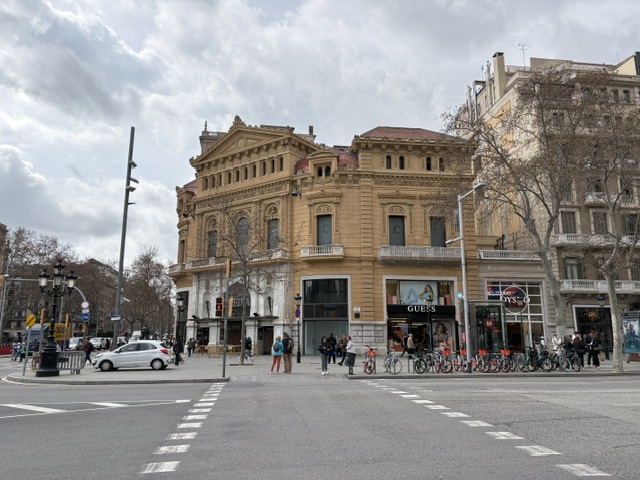
The palace was designed by architect Tiberi Sabater i Carné and built between 1887 and 1890 for businessman and politician Frederic Marcet i Vidal. Its position at Passeig de Gràcia and Gran Via placed it along a boulevard where prosperous families were establishing impressive homes. The building expressed that wealth through its scale, craftsmanship, and prominent corner setting.
Sabater used an eclectic architectural approach, combining references from different historical styles. Classical and Baroque influences shaped the exterior, while the interiors incorporated Gothic and Oriental elements. The result was a residence intended to impress both from the street and within its rooms. Gardens originally extended behind the palace, adding private outdoor space to this central urban property.
Much of that residential character remains visible above the storefronts. The upper windows are framed by elaborate ornament, a stone balcony stretches across part of the façade, and the roofline carries decorative features that draw attention upward. These details help us recognize the earlier building even though its surroundings and uses have changed.
Its transformation into an entertainment venue began with plans in the 1930s. The Spanish Civil War interrupted the project, and the Teatro Comèdia finally opened in 1941. A place originally created for private family life now welcomed audiences who came to watch performances together. The palace’s grand exterior became the public face of a theater.
In 1960, the theater became a cinema. For more than sixty years, the Comèdia formed part of Barcelona’s moviegoing life, eventually operating with several screens. Its location made it a recognizable destination at one of the city’s busiest intersections. Behind the nineteenth-century façade, audiences entered the very different worlds offered by films.
The cinema held its final screenings on January 14, 2024. That closure brought an end to a long chapter in the building’s history, although the palace remained an important architectural presence on the boulevard.

Read More From Nancy
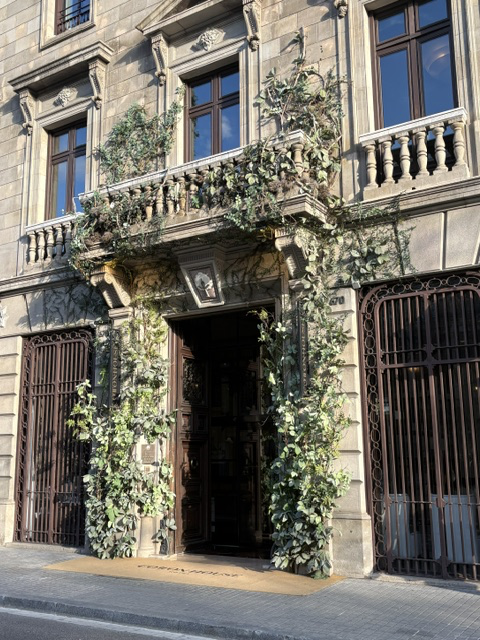
Cotton House Hotel
Whenever we travel, we enjoy staying in places that have a history of their own. A historic hotel often becomes more than a place to spend the night; it becomes another way of understanding the city we have come to explore. That was certainly true during our stay at the Cotton House Hotel in Barcelona. […]
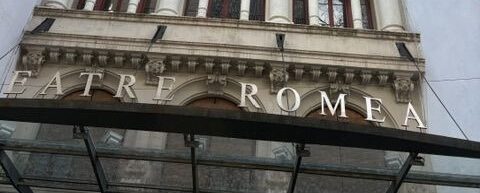
Teatre Romea
On Carrer de l’Hospital in Barcelona’s Raval district, the Teatre Romea preserves a history closely connected with the development of Catalan theater. Behind its columned façade, generations of actors and playwrights helped establish Catalan as a language of popular entertainment and serious dramatic expression. The theater opened on November 18, 1863, in premises previously occupied […]
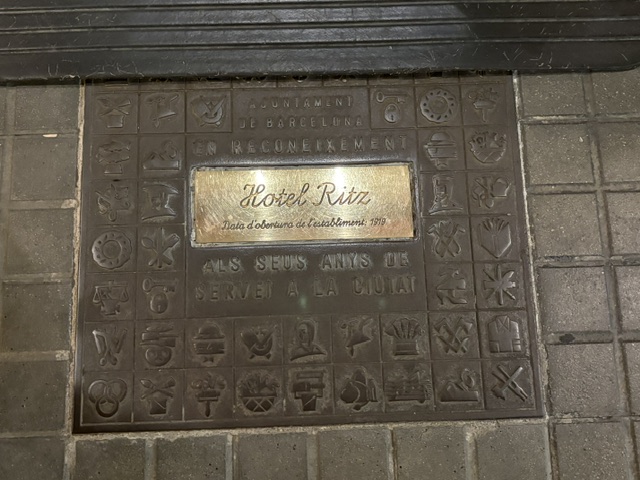
Old Ritz
While we were staying at the Cotton House in Barcelona, Marty and I visited the nearby hotel still remembered as the Ritz. Now called El Palace Barcelona, it offered another opportunity to step inside the city’s history. Its grand interior caught our attention, but learning what had happened within these walls made the visit much […]

