Samuel Adams
Standing beside the grave of Samuel Adams at Boston’s Granary Burying Ground offers an opportunity to remember a man whose influence extended far beyond the familiar name associated with a modern beer company. Samuel Adams was one of the most determined political organizers of the American Revolution and an early advocate for independence from Great Britain.
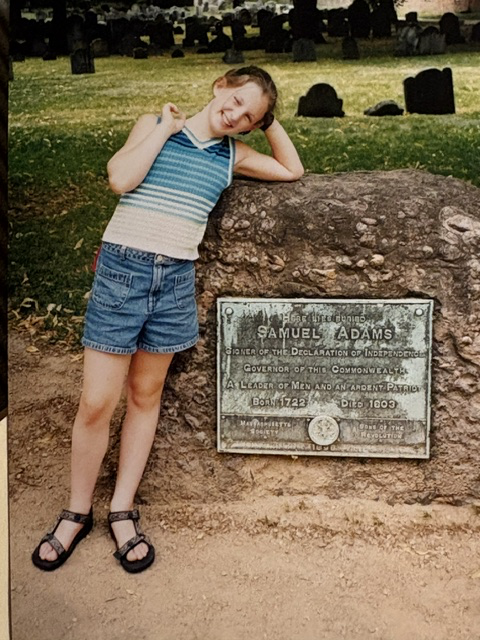
Born in Boston in 1722, Adams attended Harvard College and initially pursued several unsuccessful business ventures. He eventually found his calling in public life. As tensions grew between Great Britain and the American colonies, Adams became an outspoken opponent of British taxation and increased parliamentary control.
Adams understood the power of organized resistance. He helped transform local grievances into a coordinated political movement by writing newspaper articles, preparing public resolutions and encouraging communication among the colonies. He was associated with the Sons of Liberty and played an important role in Boston’s opposition to the Stamp Act, the Townshend Acts and other British policies. He also helped establish Massachusetts’s system of committees of correspondence, which allowed communities to exchange information and coordinate their responses.
Although his exact role in planning the Boston Tea Party remains debated, Adams strongly defended the principles behind the protest. His political activities made him one of the colonial leaders whom British authorities considered particularly dangerous. When fighting began at Lexington and Concord in April 1775, Adams and fellow patriot John Hancock were in Lexington and were believed to be among the men British troops hoped to capture.
Adams represented Massachusetts in the Continental Congress and signed the Declaration of Independence in 1776. After the Revolution, he remained active in Massachusetts government, serving as lieutenant governor and later as governor from 1794 to 1797. He died in Boston in 1803.
Samuel Adams was not known as a military commander or a polished national statesman. His strength was his ability to recognize a cause, communicate its importance and persuade ordinary citizens to act together. His grave in the Granary Burying Ground marks the resting place of a man whose persistence and political organization helped move thirteen colonies toward independence.
Read More From Nancy
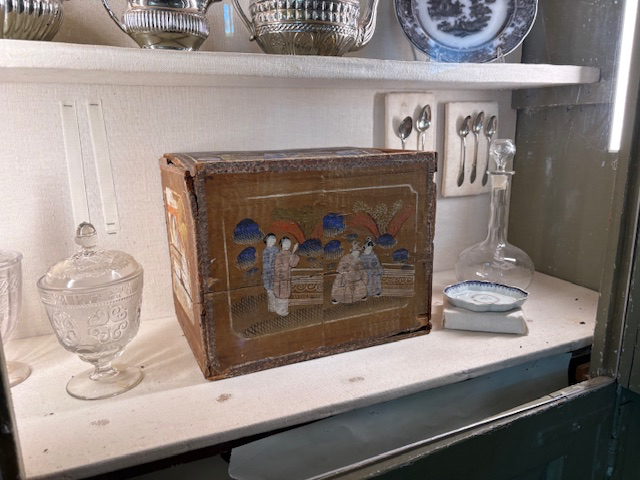
A Chinese Tea Box
Among the many furnishings displayed in the historic Golden Ball Tavern in Weston, Massachusetts, this small Chinese tea box caught my attention. It tells a remarkable story about international trade, the value of tea, and the surprising connections between colonial New England and Asia. The box was crafted in China during a time when Chinese […]
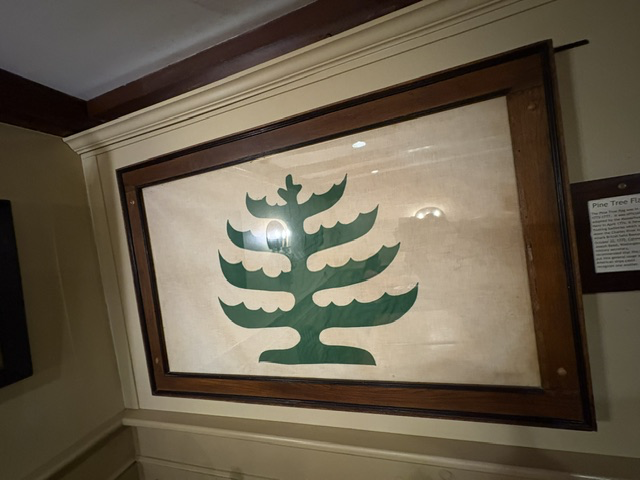
Pine Tree Flag
While enjoying dinner in Sturbridge, my attention was drawn to a large Pine Tree Flag displayed on the wall. It was an unexpected reminder that history has a way of appearing in ordinary places. One of the most recognizable symbols of New England’s role in the American Revolution is the Pine Tree Flag. Although it is […]
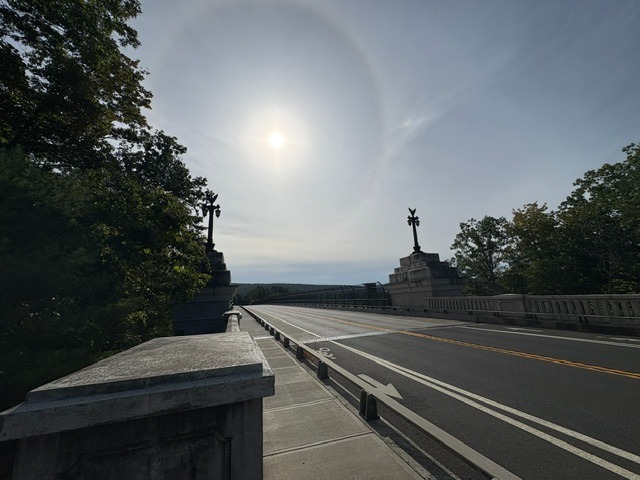
The French King Bridge
Driving west along Route 2, I stopped at the French King Bridge mainly for the view. Below, the Connecticut River curved between wooded banks, with hills stretching into the distance. The setting was magnificent, but the bridge itself, with its substantial stone approaches and ornamental lamps, gave me another reason to pause. Opened on September […]

