The Old Training Field
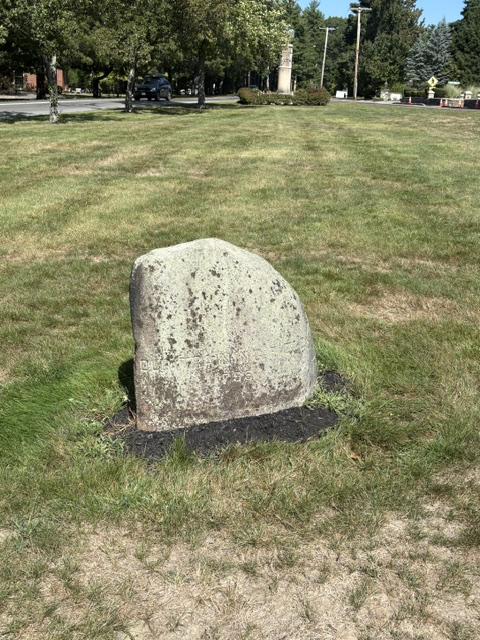
Dover’s Old Training Field was established in 1755, when the community was still known as the Springfield Parish of Dedham. Like other New England communities, the parish maintained a local militia whose members gathered regularly to practice marching, handling weapons and responding to an alarm.
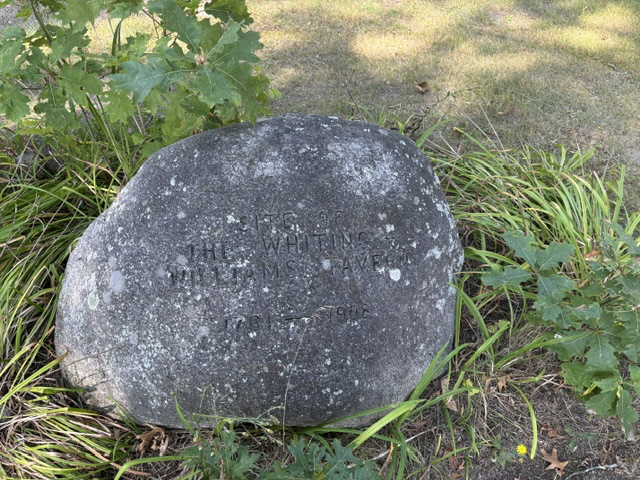
Training days served both military and civic purposes. Militia members prepared to defend their community, while residents gathered to observe the drills, conduct business and socialize. The nearby parish tavern became another important meeting place, connecting military preparation with the daily life of the developing community.
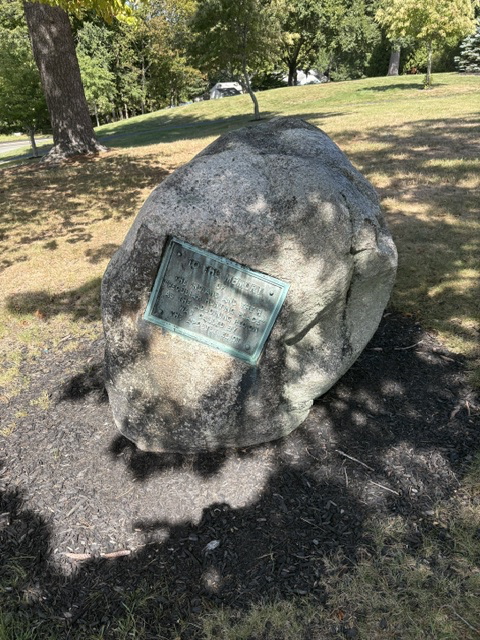
On the morning of April 19, 1775, news of the fighting at Lexington reached Dover. Sixty-six local minutemen assembled on the Training Field before marching under Captain Ebenezer Battelle in response to the Lexington Alarm. They joined other Massachusetts militia companies converging upon the route of the retreating British troops.
Among the Dover men was Elias Haven, who had reportedly left his harrow standing in a field when he answered the alarm. He was killed later that day while fighting in Menotomy, now Arlington, becoming Dover’s only casualty of the opening day of the American Revolution.
The field continued to be used for state militia training days until about 1850. Its history reaches from the colonial period through the Revolution and into the nineteenth century, preserving the story of the ground where generations of Dover residents gathered, trained and prepared to serve their community.
Read More From Nancy
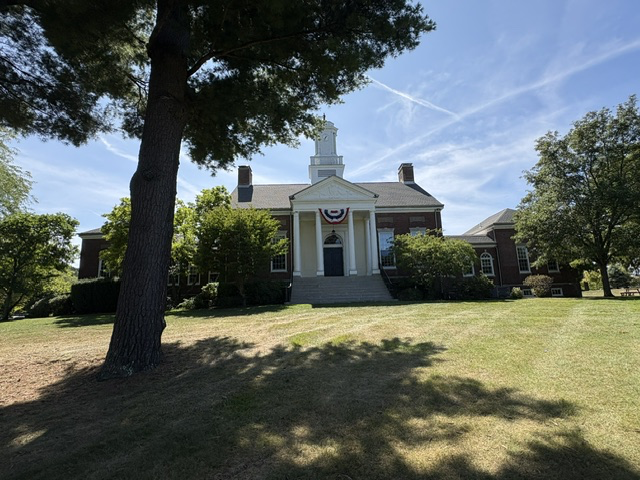
The Dover Town House
The Dover Town House was constructed during the 1920s to provide the growing community with a central place for municipal government and public gatherings. Designed by the Boston architectural firm of Kilham, Hopkins & Greeley, the building reflects the Colonial and Federal Revival styles popular for civic architecture during this period. Its red-brick exterior, white […]
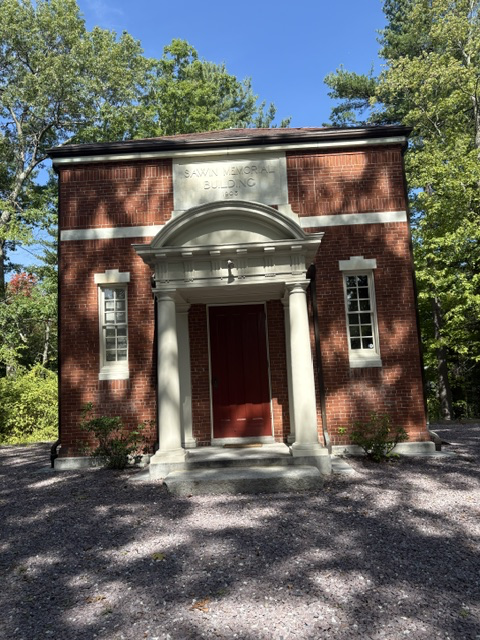
Sawin Museum
The Dover Historical Society was established in 1895 to collect and preserve the objects, documents and stories of the town’s past. As its collection grew, the Society needed a permanent place where these materials could be protected and shared with the community. Benjamin and Eudora Sawin, charter members of the Society, recognized that need. Because […]
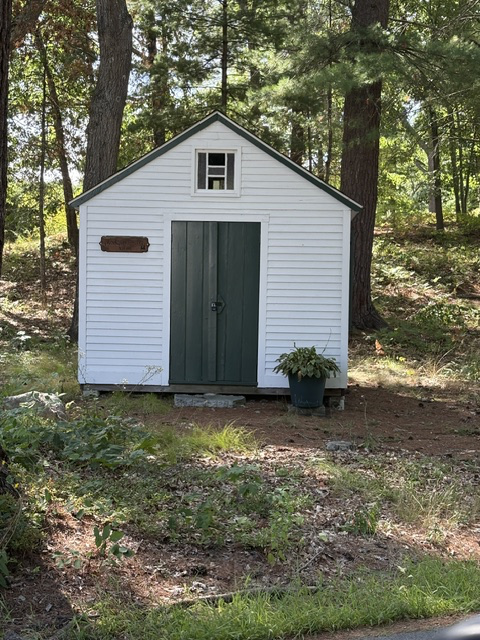
E. F. Hodgson Portable Houses
In 1892, Ernest F. Hodgson began manufacturing portable poultry brooders in Dover. Marketed under names such as “Peep o’ Days” and “Wigwarms,” the small structures were designed to be produced efficiently, transported easily and assembled where they were needed. The success of the brooders encouraged Hodgson to expand into other prefabricated products. The company manufactured […]

