Saint John City Market
One year after the Saint John City Market opened, fire swept through the city. The Great Fire of 1877 destroyed hundreds of acres, leaving much of Saint John in ruins. Yet the new market, protected by its solid brick-and-stone construction, survived. Its exterior therefore represents more than nineteenth-century architecture. It is one of the buildings that stood through the disaster and witnessed the city rise again around it.
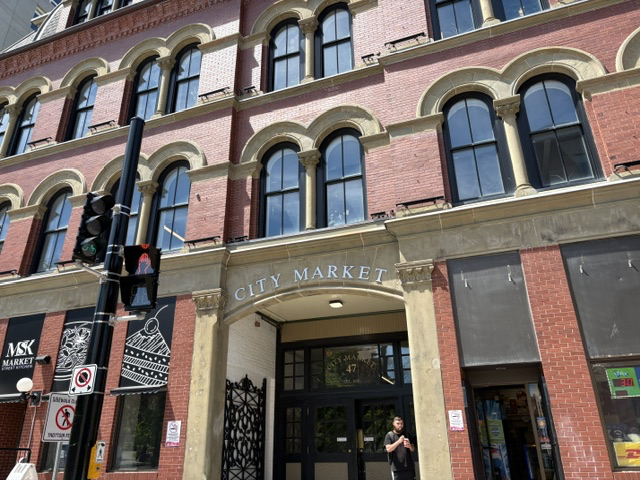
The market had been constructed between 1874 and 1876 to replace the assortment of smaller markets that once served different parts of Saint John. Designed by New Brunswick architects J. T. C. McKean and G. E. Fairweather, the building extended for an entire block between Charlotte and Germain streets. Its size reflected the importance of public markets at a time when residents depended upon them for food, household necessities, and direct contact with local farmers and merchants.
The red-brick façade was intended to command attention. Rows of tall arched windows are outlined in pale stone, creating a striking contrast across the four-story building. Decorative brickwork and stone bands break up its considerable size, while the arched entrance presents the market as an important civic institution. The exterior combines Italianate and Second Empire influences, architectural styles frequently used during an era when Saint John was becoming a prosperous port and commercial center.
Public markets have operated in Saint John since the city received its royal charter in 1785, and the present building has continued that tradition since 1876. It was designated a National Historic Site of Canada in 1986 as a rare surviving example of a nineteenth-century market constructed for its original purpose.
The City Market has endured fire, changing methods of commerce, and nearly a century and a half of urban growth. Its arched windows and sturdy masonry preserve the ambitions of the city that built it, but its greatest distinction may be that it never became simply a monument to the past. It survived and continued doing the work for which it was created.
Read More From Nancy
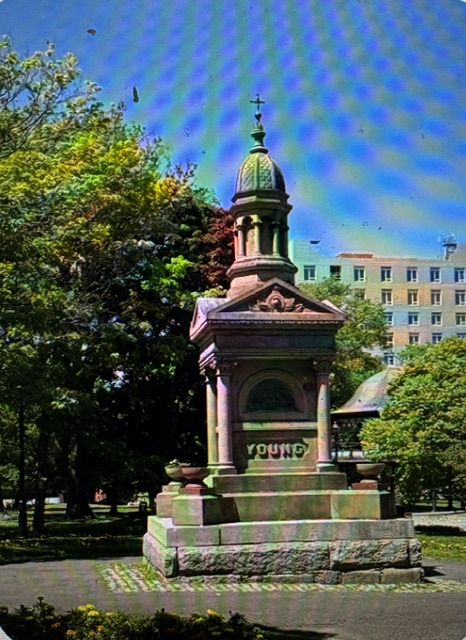
Young Memorial
The Young Memorial in King’s Square remembers an ordinary young man whose final act became part of Saint John’s civic history. John Frederick Young was only nineteen years old when he drowned in Courtenay Bay in 1890 while attempting to rescue ten-year-old Frederick E. “Freddie” Mundee. Young was a factory worker who had come to […]
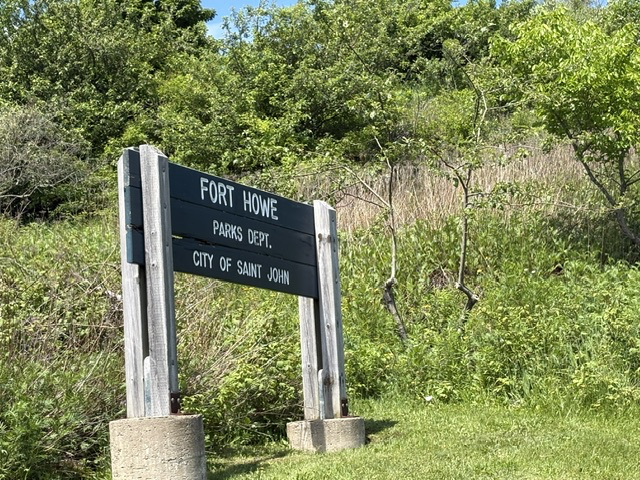
Fort Howe
From its position high above Saint John, Fort Howe once guarded the entrance to the Saint John River and the harbor below. The location offered British soldiers an expansive view of approaching ships and made the ridge a natural place from which to defend the settlement. The fort was constructed in 1777 during the American […]

Imperial Theatre
The survival of Saint John’s Imperial Theatre depended upon an extraordinary agreement: a one dollar down payment followed by a promise to raise nearly one million dollars within a year. The community kept that promise, saving a building that had entertained generations of Saint John residents and restoring it to its original purpose. The Imperial […]

