Pompeii
While traveling through Italy on a family vacation, we took a memorable tour of Pompeii. Walking through its excavated streets allowed us to experience the remains of an ancient city as more than a collection of ruins. Homes, shops, temples, public buildings, and gathering places still followed the arrangement of a community in which people had lived, worked, worshipped, and raised their families nearly two thousand years ago.
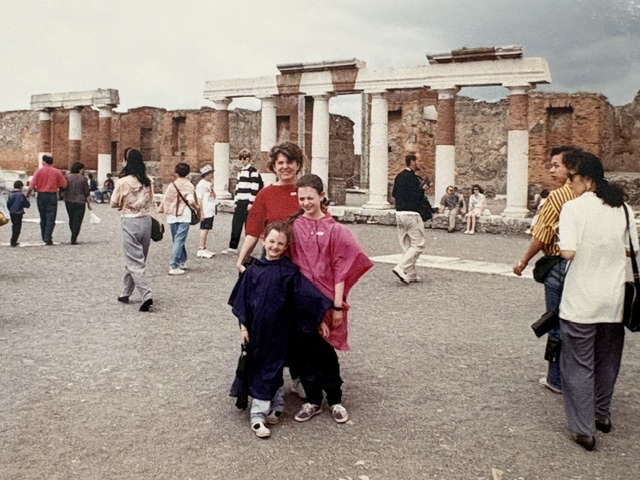
Pompeii was a thriving Roman city when Mount Vesuvius erupted in AD 79. Volcanic ash, pumice, and rock fell upon the city, covering buildings and causing roofs and walls to collapse. Although the eruption developed over many hours and some residents escaped, those who remained could not have understood the full danger unfolding around them. Later, fast-moving clouds of superheated ash and gas swept through the city, killing those who had been unable or unwilling to leave.
The figures commonly described as Pompeii’s “frozen bodies” made the human cost of the disaster especially real. They are plaster casts created from empty spaces left in the hardened ash after the victims’ bodies decomposed. Beginning in 1863, archaeologist Giuseppe Fiorelli poured plaster into these spaces, preserving the final positions of people who had been caught by the eruption. Some appear to be protecting themselves, while others seem to be reaching toward a companion or attempting to escape.
The streets offered another connection to ordinary life. Deep grooves worn into the stone were created by the wheels of carts repeatedly passing along the same routes. Raised stepping-stones allowed pedestrians to cross without walking through the water and waste that flowed along the streets. These marks were not produced by the eruption; they were evidence of the thousands of everyday journeys made before the city was buried.
Seeing the casts, wheel ruts, stepping-stones, counters, doorways, and painted walls brought home how completely ordinary life had been interrupted. The people of Pompeii had no scientific understanding of volcanoes and no way to predict the scale of what was happening. Some fled during the early stages, but others remained in their homes, sought shelter, or believed the danger would pass.
Visiting Pompeii with our family placed us inside a city where history survives through the smallest details of daily life. The ruins preserve grand public buildings, but it was the evidence left by individuals, the impressions of their bodies and the tracks worn by their carts, that made the story unforgettable. They transformed an ancient catastrophe into the story of real people whose familiar world ended with a force they could neither understand nor control
Read More From Nancy
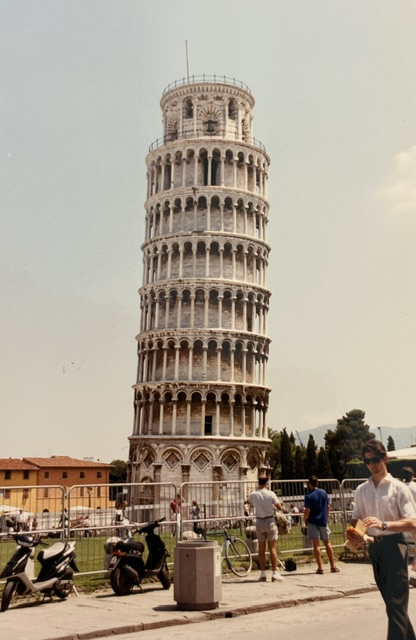
Leaning Tower
During our family vacation in Italy, we weren’t sure whether we wanted to take the time to visit Pisa. There were so many places we wanted to see, and we wondered whether making a special trip just to see the famous Leaning Tower would be worth it. In the end, we decided that we were […]
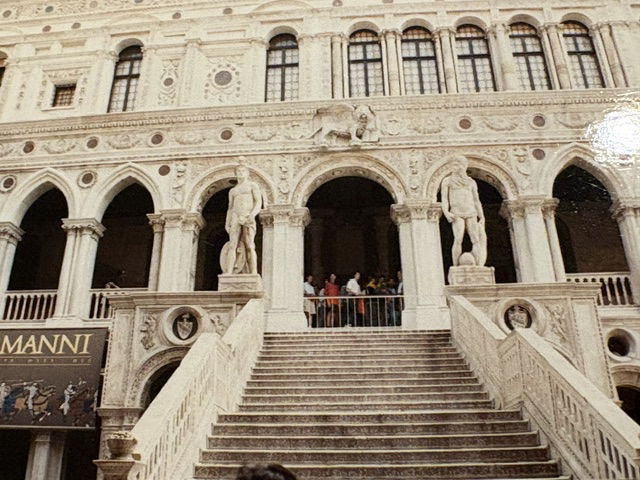
The Giants’ Staircase at the Doge’s Palace
The Giants’ Staircase stands within the courtyard of the Doge’s Palace, once the political and administrative center of the Republic of Venice. More than an entrance to the palace, the staircase formed part of a carefully designed ceremonial route leading from St. Mark’s Square into the heart of Venetian government. The staircase was designed by […]
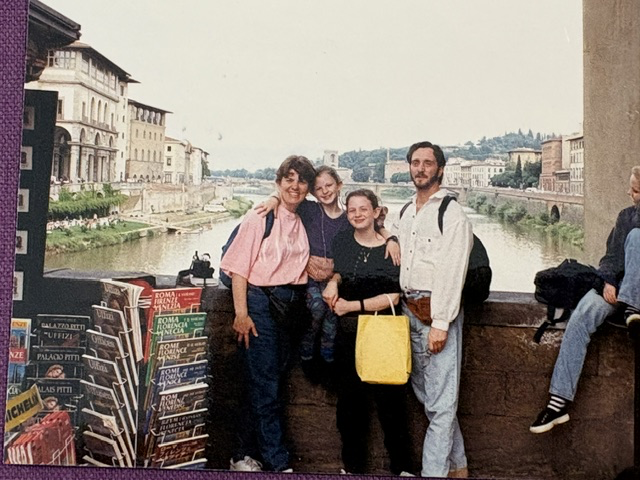
The Ponte Vecchio
Some places become woven so completely into the identity of a city that it is impossible to imagine one without the other. In Florence, that place is the Ponte Vecchio. Spanning the Arno River for nearly seven centuries, this remarkable bridge is the heart of the city, connecting not only its two banks but also […]

