St. Mark’s Basilica
St. Mark’s Basilica rises at the end of Piazza San Marco with an appearance unlike almost any other church in Europe. Its domes, arches, mosaics and intricate stonework create a building that seems both grand and delicate. There is so much to see that the eye is continually drawn from one detail to another.
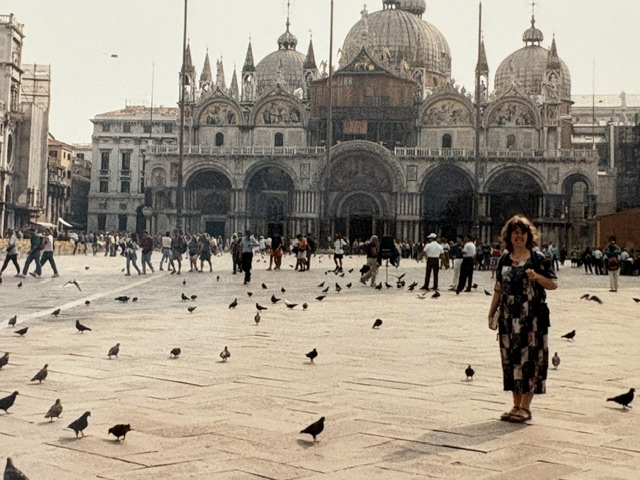
The broad façade is filled with graceful arches, carved columns and glowing mosaics. Marble in different colors and patterns covers much of the exterior, while statues and decorative spires create an irregular skyline above the square. Rather than presenting a single architectural style, the basilica reflects the many cultures that influenced Venice over the centuries.
The five domes give the building a distinctly eastern appearance. They reflect Venice’s close historical connections with Constantinople and the Byzantine world, reminding visitors that the city once stood at the meeting point between Europe and the eastern Mediterranean. This blending of traditions contributes to the basilica’s unusual beauty.
Golden mosaics fill the spaces above the entrances, illustrating scenes connected with the life of Christ and the arrival of the remains of St. Mark in Venice. As the sunlight changes throughout the day, the mosaics catch the light differently, allowing the façade to appear brighter, softer or more deeply shadowed from one moment to the next.
Above the main entrance stand four bronze horses, now replicas of the ancient originals preserved inside. Their position overlooking the square adds another dramatic element to a façade already filled with detail. Below them, the deep entrance arches invite visitors into the darker and even more richly decorated interior.
The beauty of St. Mark’s Basilica is not based upon perfect symmetry or simplicity. It comes from its layers. Columns, statues, carvings and pieces of marble were added over many centuries, creating a building that carries the history of Venice across its exterior. Every section seems to tell a different part of the city’s story.
The openness of Piazza San Marco allows the basilica to be appreciated from a distance. The wide square creates a sense of anticipation as the building gradually reveals its details. Pigeons cross the pavement, people gather beneath the arches and the domes rise above the movement of the square.
St. Mark’s Basilica has stood at the center of Venetian life for nearly a thousand years. It was created as a place of worship, but it also became an expression of the city’s confidence, prosperity and connection with the wider world. Its beauty lies not only in its decoration, but also in the way the entire building captures the distinctive character of Venice.
Read More
Read More From Nancy
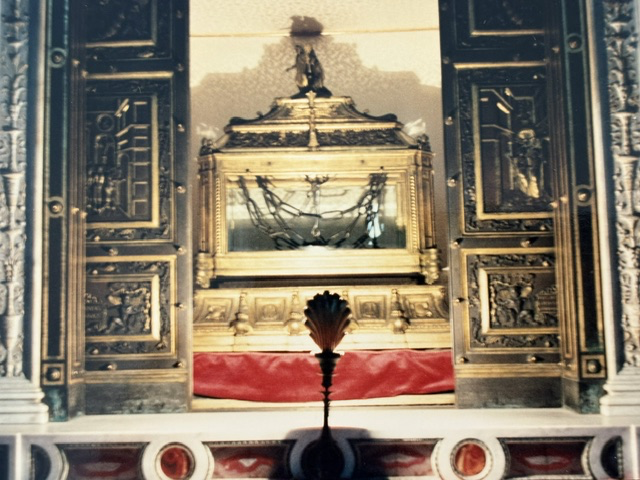
The Chains of Saint Peter
On our visits to Rome, we entered the Basilica of San Pietro in Vincoli, whose name literally means “Saint Peter in Chains”. The church is best known today by many visitors for Michelangelo’s magnificent statue of Moses, but beneath the main altar is something much older and even more connected to the earliest history of […]
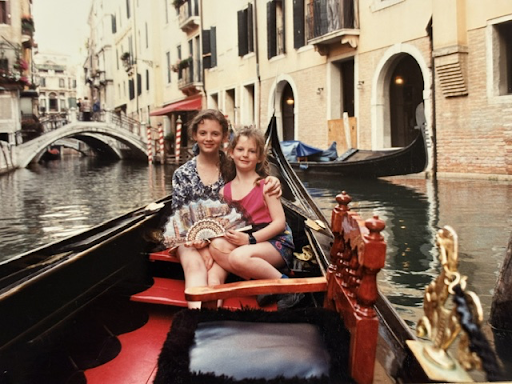
Gondola Ride
First trips to Italy almost must include Venice, and for us that meant experiencing the city the way generations of Venetians have done for centuries, by boat. A gondola ride through the canals quickly became one of the highlights of our journey and remains one of those family memories that has not fad. Venice itself […]
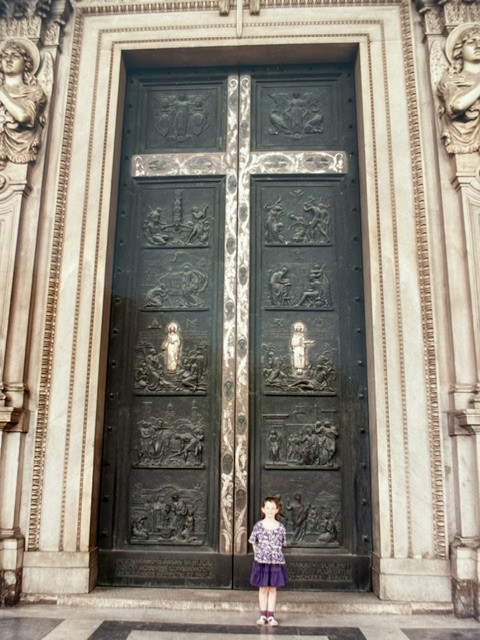
The Holy Door of St. Peter’s Basilica
On one of our family trips to Rome, we visited St. Peter’s Basilica, where this photograph of Erin was taken standing in front of the enormous bronze Holy Door. Known as the Porta Santa, it is one of the most significant entrances to St. Peter’s Basilica and has been associated with the Catholic Church’s Jubilee […]

