The Ponte Vecchio
Some places become woven so completely into the identity of a city that it is impossible to imagine one without the other. In Florence, that place is the Ponte Vecchio. Spanning the Arno River for nearly seven centuries, this remarkable bridge is the heart of the city, connecting not only its two banks but also its medieval past with its vibrant present.
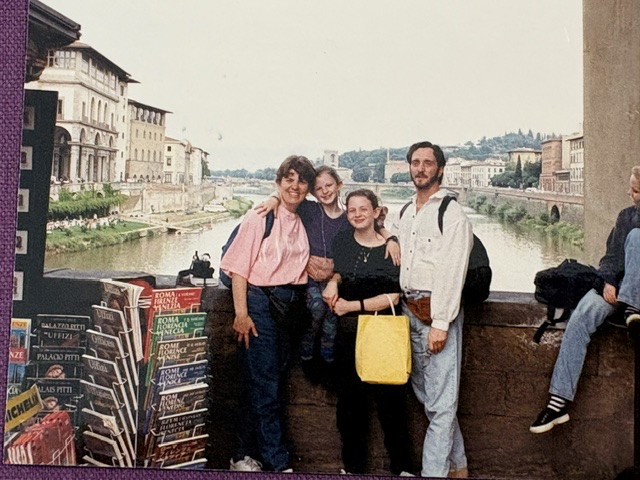
The bridge standing today dates to 1345, built after a devastating flood destroyed its predecessor. Remarkably, it has survived centuries of additional floods, wars, and political upheaval. During the Second World War, it became the only bridge in Florence left standing when German forces retreated in 1944. Although the buildings at either end were destroyed, the bridge itself survived, preserving one of the city’s greatest architectural treasures.
Unlike most bridges, the Ponte Vecchio has always been a place where people lived and worked. Small shops line both sides of the bridge, a tradition dating back to the Middle Ages when merchants built their businesses directly over the river. Originally occupied by butchers, fishmongers, and leather workers, the shops were transformed in 1593 when the Medici Grand Duke Ferdinand, I ordered that only goldsmiths and jewelers could occupy them. Today, sparkling jewelry displays continue that centuries-old tradition, making the Ponte Vecchio one of the most distinctive shopping streets in the world
This photograph brings back memories that extend beyond the bridge itself. Standing together as a family above the Arno, with Florence spread out behind us, we were sharing more than a vacation. We were standing in a place where generations before us had crossed, traded, celebrated, and simply paused to admire the view. Like so many historic places, the Ponte Vecchio is not only about the events that happened there but also about the people who continue to experience it.
Read More From Nancy
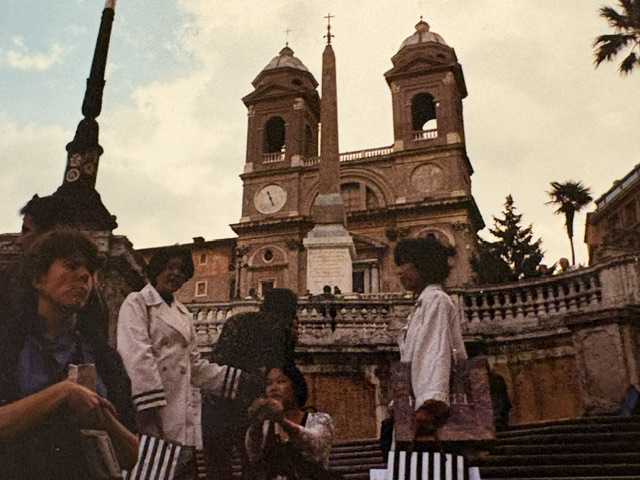
Trinità dei Monti and the Spanish Steps
The Church of Santissima Trinità dei Monti rises above the Spanish Steps on Rome’s Pincian Hill. Its twin bell towers create one of the city’s most recognizable views, forming a dramatic background to the broad stairway descending toward the Piazza di Spagna. Construction of the church began in the early sixteenth century under the patronage […]
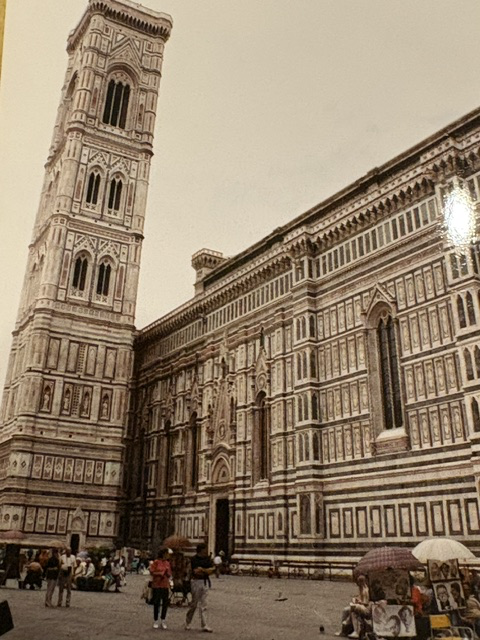
Cathedral of Santa Maria del Fiore
The Cathedral of Santa Maria del Fiore stands at the religious and historic center of Florence. Commonly known as the Duomo, it was created to replace the earlier Cathedral of Santa Reparata, which had become too small for the city’s growing population and increasing importance. Construction began in 1296 under architect Arnolfo di Cambio. The […]
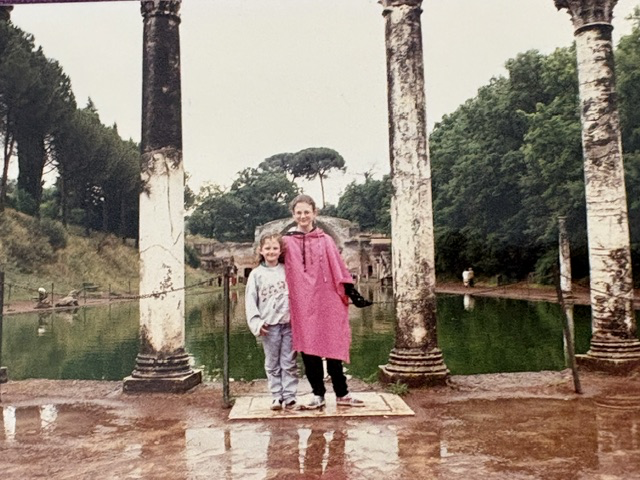
Hadrian’s Villa
Hadrian’s Villa, known in Italian as Villa Adriana, was constructed during the second century for the Roman emperor Hadrian. Located near Tivoli, approximately 18 miles east of Rome, the enormous estate served as an imperial residence and administrative retreat away from the crowded capital. Hadrian became emperor in A.D. 117 and ruled until his death in […]

