Dry Tortugas National Park
What an adventure it was to reach Fort Jefferson in the Dry Tortugas. I made this journey with Erin in 2012, as a way to celebrate our birthdays. This was an unforgettable trip to one of the most remote places in the National Park System.
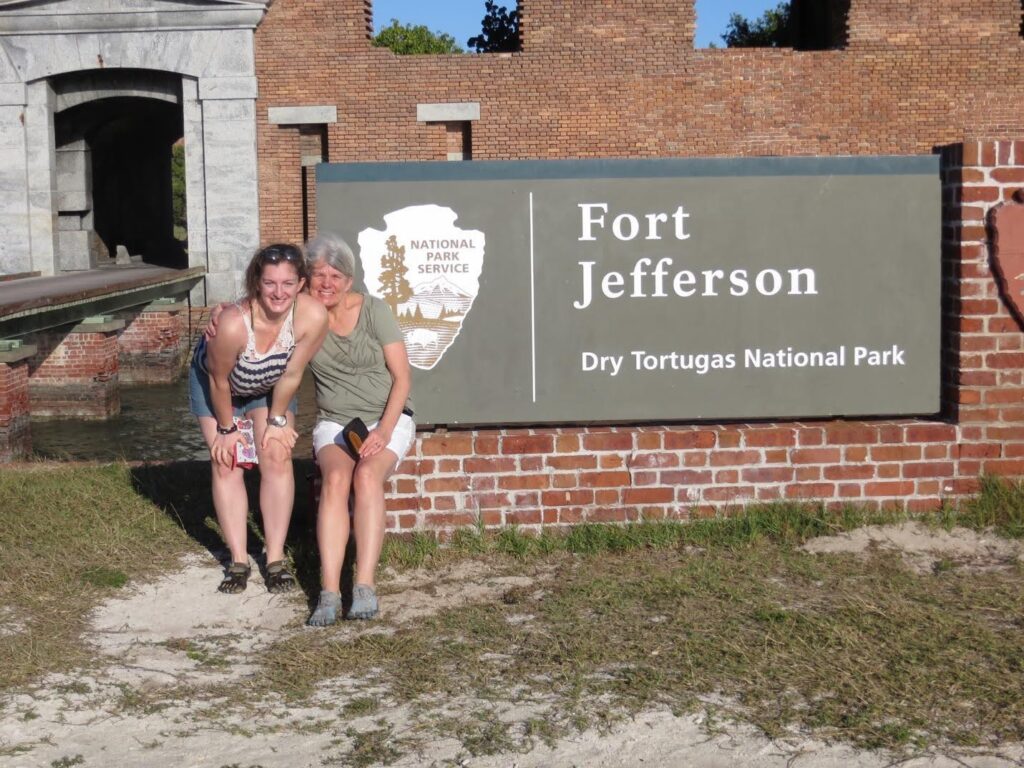
Located about 70 miles west of Key West, the Dry Tortugas sit far out in the Gulf of Mexico, as a scattering of tiny islands surrounded by turquoise water. The name comes from early Spanish explorers: Tortugas for the abundance of sea turtles and Dry because the islands offered no fresh water for passing ships. Even today, getting there was on a seaplane flight across open water with nothing on the horizon but ocean and sky.
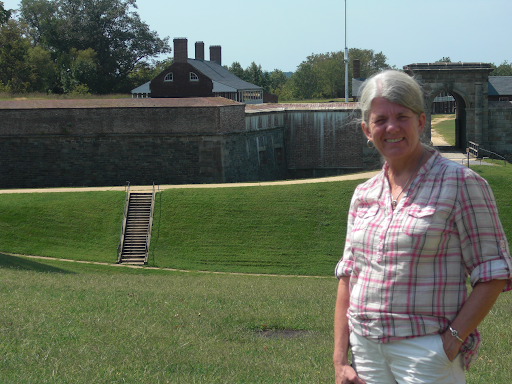
Rising from Garden Key, Fort Jefferson dominates the scene. Built in the mid-1800s, it is the largest masonry fort in the Western Hemisphere. constructed from more than sixteen million bricks. Its massive walls once protected crucial shipping lanes through the Florida Straits, guarding access to the Gulf of Mexico and the Mississippi River trade routes.
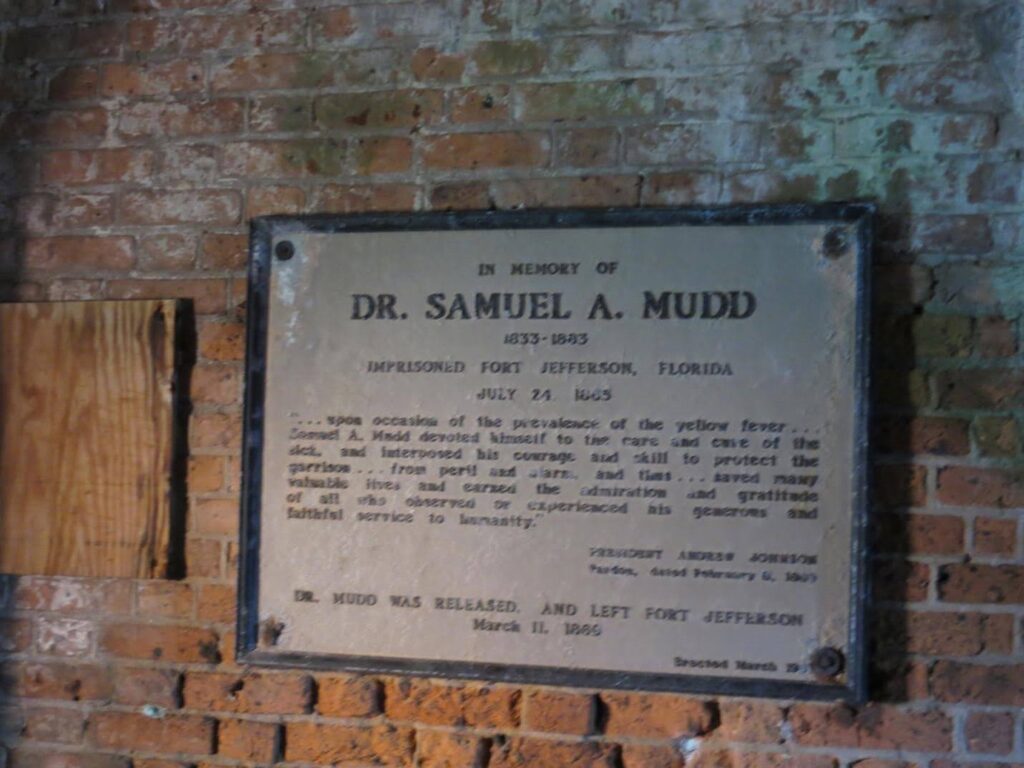
During the Civil War, Fort Jefferson acted as a military prison. Among its most famous inmates was Dr Samuel Mudd, the physician convicted for treating John Wilkes Booth after the assignation of President Abraham Lincoln. Imprisoned on the island, Dr Mudd later helped combat a deadly yellow fever outbreak among the fort’s population.
The site’s importance was formally recognized in 1992, when it was designated Dry Tortugas National Park by President George H W Bush ensuring its protection of both the fort and the surrounding marine ecosystem. In 1935, President Franklin D. Roosevelt preserved For Jefferson as a national monument
This birthday journey with Erin remains one of our most memorable journeys that combined adventure, history and landscape. Our first flight on a seaplane is etched permanently into my memory.
Read More From Nancy
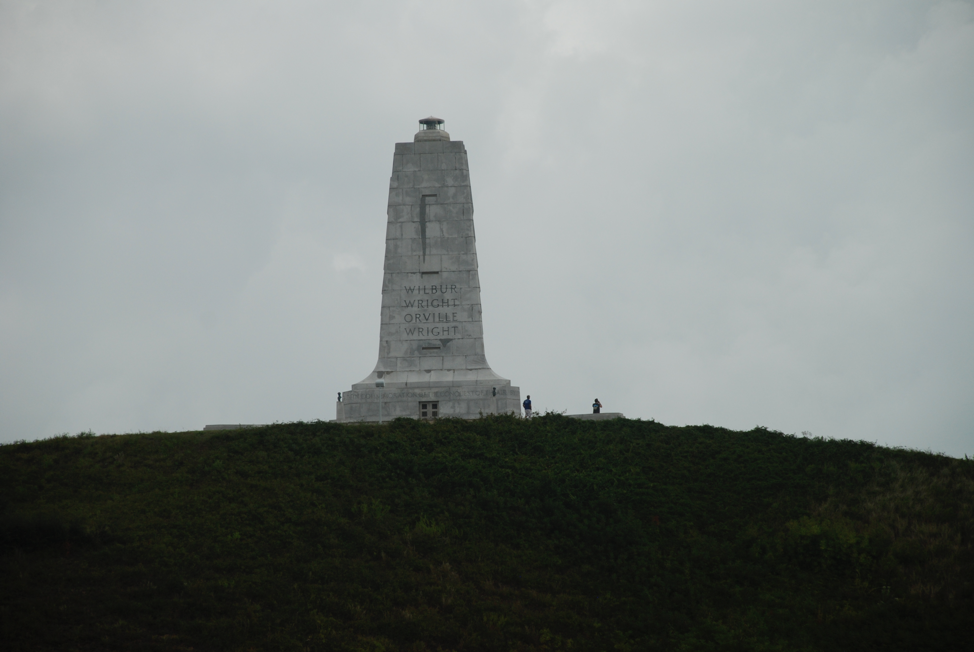
Wright Brothers National Memorial
When visiting the Outer Banks of North Carolina, Erin and I spent a day at the Wright Brothers National Memorial, the very place where powered flight first lifted off the plane and changed human history. Set in Kill Devil Hills, the memorial preserves the windswept dunes where Wilbur and Oliver Wright achieved the world’s first successful, […]
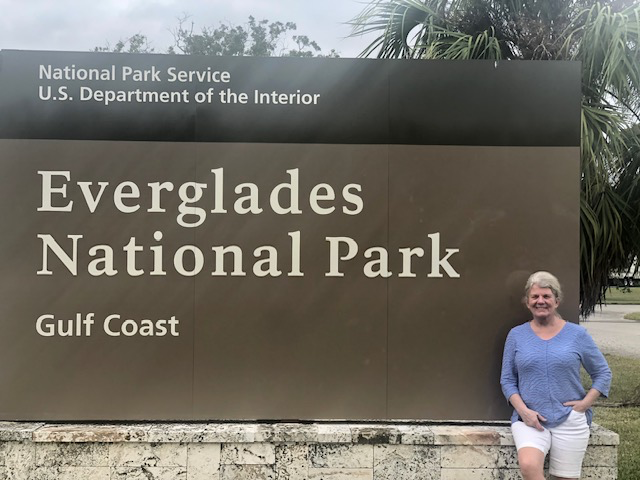
Everglades National Park
The Everglades National Park is such a massive and unique national park that each visit feels like exploring an entirely different landscape. Spanning more than 1.5 million acres, it protects one of the largest subtropical wilderness areas in the United States and became a national park in 1947 under President Harry S. Truman. The Everglades were protected […]
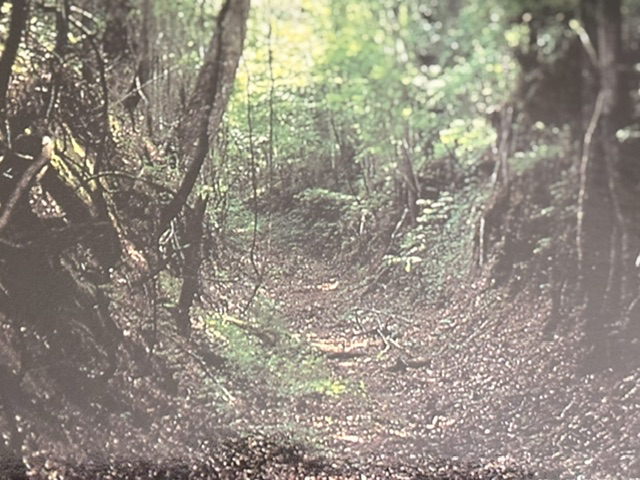
Natchez Trace National Scenic Trail
The historic Natchez National Scenic Trail is a route the served as one of the most important transportation corridors in the early American frontier. Worn deeply into the earth by generations of travelers, traders, soldiers and Native Americans, the sunken pathway visible today offers a glimpse into what travel looked like before modern roads and railroads transformed the landscape. Long before […]

