Everglades National Park
The Everglades National Park is such a massive and unique national park that each visit feels like exploring an entirely different landscape. Spanning more than 1.5 million acres, it protects one of the largest subtropical wilderness areas in the United States and became a national park in 1947 under President Harry S. Truman. The Everglades were protected because of its fragile ecosystem and extraordinary wildlife.
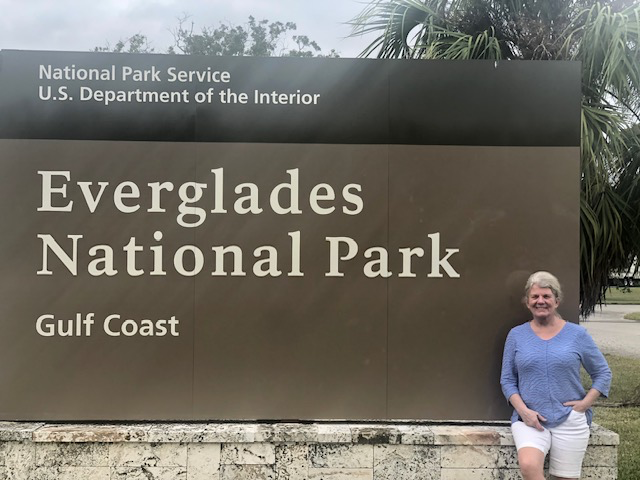
I have visited the park several times through the eastern entrance near Homestead, where the experience feels prehistoric. Here I saw the large reptiles the Everglades are well-known for, alligators stretched along the water’s edge. Other wildlife are hidden within the grasses and mangroves. As I explored the vast sawgrass marshes and realized how untouched parts of this landscape still aree.
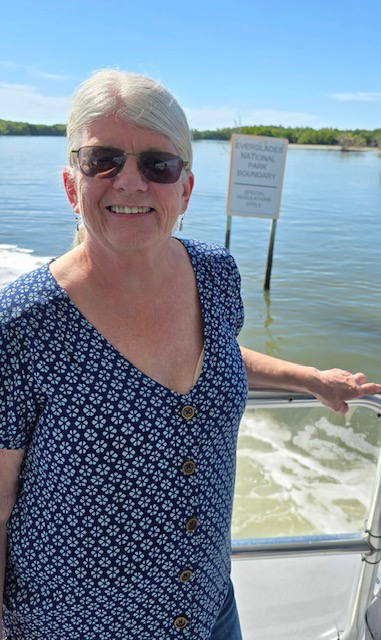
In 2025, I had the opportunity to experience the park from the western Gulf side near Everglade City, which gave me an entirely different perspective of the park. Here I found endless waterways, mangrove islands, and open stretches of water that seemed to go on forever. Seeing dolphins swimming alongside the boat added another layer to my understanding of the vastness of the Everglades and just how diverse this ecosystem is.
The Everglades is often called a “River of Grass”, but visiting both sides of the park showed me that it is a vast and interconnected world of water, wildlife and wilderness. Each entrance reveals a different side of this remarkable national park.

Read More From Nancy

Buck Island Reef National Monument
Another birthday and family history vacation was spent on Saint Croix exploring Buck Island Reef National Monument. Like many of our family trips, the destination combined celebration, adventure and another opportunity to experience one of the unique places preserved within the National Park System. Buck Island is unlike many national parks we have visited over the years. This […]
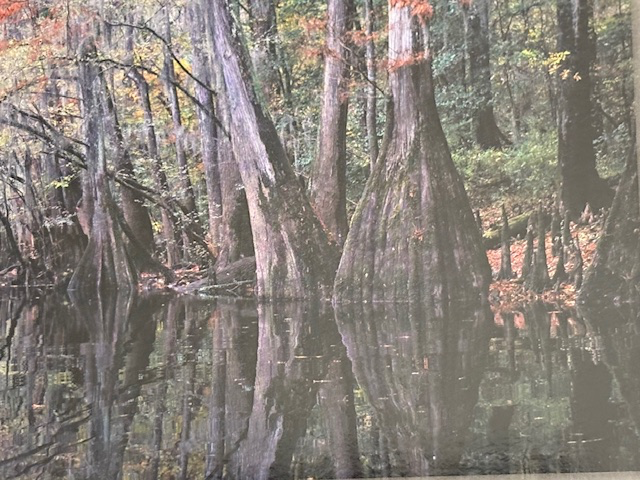
Congaree National Park
Located just outside Columbia, South Carolina, Congaree National Park protects one of the largest remaining tracts of old growth bottomland hardwood forest in the United States. This is a floodplain, shaped by the seasonal rise and fall of the Congaree River, which brings nutrients into the soil and allows the trees here to grow exceptionally tall. These […]
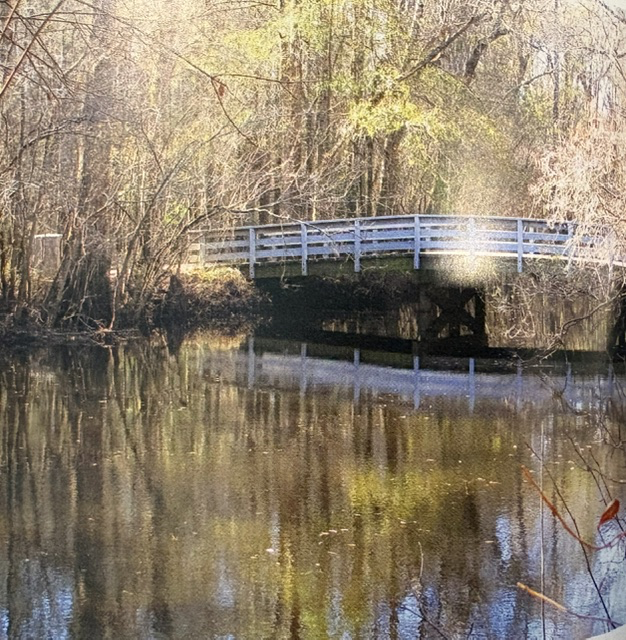
Moores Creek National Battlefield
One of the pleasures of visiting our National Parks is discovering places that most Americans have never heard of yetplayed an important role in the nation’s history. Moores Creek National Battlefield in southeastern North Carolina is one of those places. At first glance, it is simply a peaceful stream winding through a forest. It is difficult to imagine […]

