William Lloyd Garrison Memorial
I love walking along Commonwealth Avenue in Boston and stopping at the different sculptures and memorials placed along its tree-lined central mall. Each one introduces another person or event connected with the city’s history. Among them is the seated bronze figure of William Lloyd Garrison, one of the nation’s most influential voices against slavery.
Born in Newburyport, Massachusetts, in 1805, Garrison became a journalist, reformer, and uncompromising abolitionist. In 1831, he began publishing The Liberator in Boston, using its pages to demand the immediate abolition of slavery. Two years later, he helped establish the American Anti-Slavery Society. His outspoken position brought threats and public opposition, but he continued publishing until slavery was abolished in 1865.
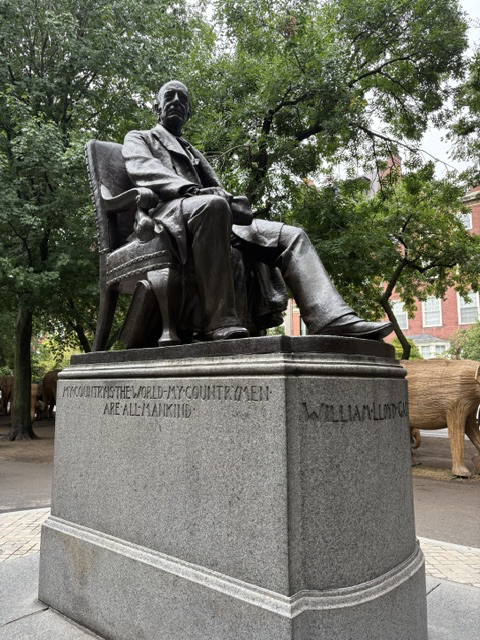
The bronze memorial was created by sculptor Olin Levi Warner and dedicated in 1886. Garrison is portrayed seated in a chair, appearing thoughtful but resolute. Inscribed on the monument are words that express the principles that guided his work: “My country is the world; my countrymen are all mankind.” Another side carries his declaration that he would not retreat “a single inch” and would be heard.
Walking Commonwealth Avenue offers more than an opportunity to enjoy one of Boston’s most beautiful public spaces. Its monuments turn an ordinary walk into an encounter with the people and ideas that shaped the city and the nation. Stopping before Garrison’s memorial is a reminder that some of the most important changes in history began with individuals willing to speak when silence would have been easier.
Read More From Nancy
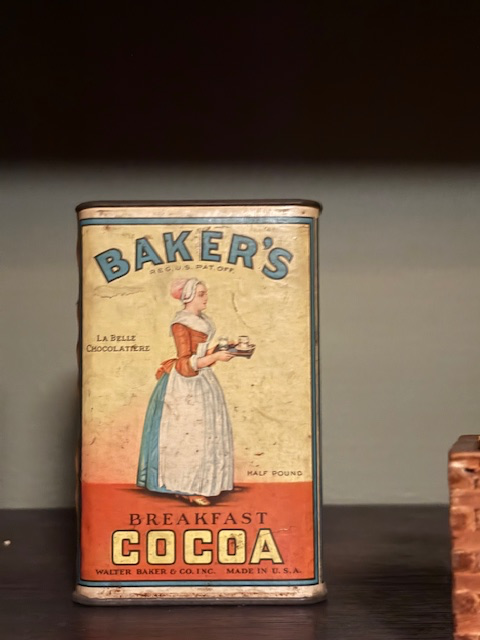
Gibson House Museum – Baker’s Breakfast Cocoa
When visiting the Gibson House Museum in Boston, this colorful tin caught my eye in the kitchen. Baker’s Breakfast Cocoa, the title sparked my curiosity. The tin was produced by Walter Baker & Co, the oldest continuously operating chocolate manufacturer in the United States. Founded in the late 1700s, in Massachusetts, Baker’s became a household […]
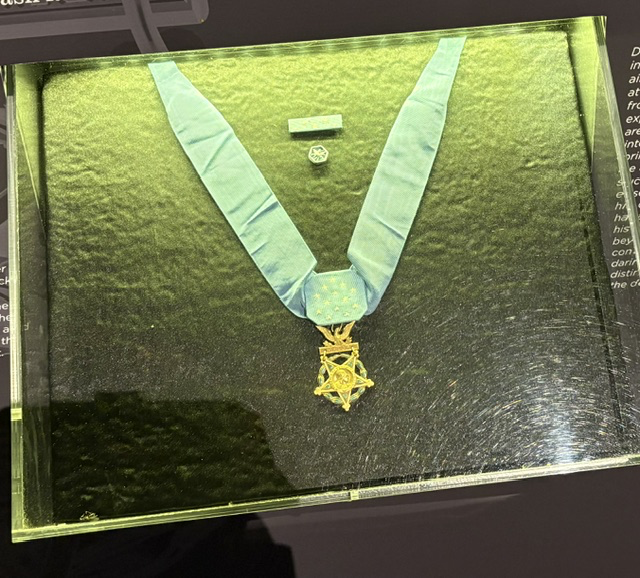
The Medal of Honor
Among all the artifacts displayed at the American Heritage Museum, few carry the emotional weight of the Medal of Honor. Unlike a tank, an aircraft, or a weapon, this small medal represents something that cannot be manufactured or engineered. It symbolizes extraordinary courage in the face of overwhelming danger. Established during the American Civil War […]
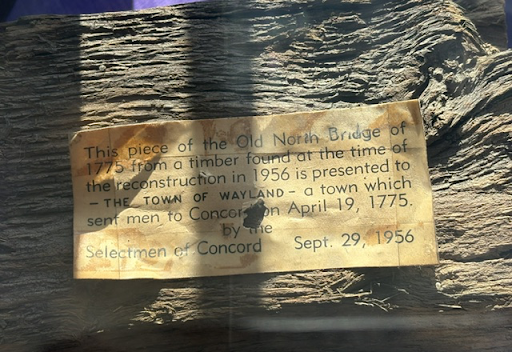
A Piece of the Old North Bridge
While visiting the Wayland Historical Society, I was surprised to find a small fragment of wood displayed in a simple case. At first glance, it appeared to be little more than an old, weathered timber. Yet this was no ordinary piece of wood. It was a remnant of the original Old North Bridge, the bridge […]

