When the Light Could Not Be Seen
The small red brick bell house at Pemaquid Point served a purpose that the lighthouse alone could not fulfill. When fog obscured the coast and hid the light, mariners needed a warning they could hear.
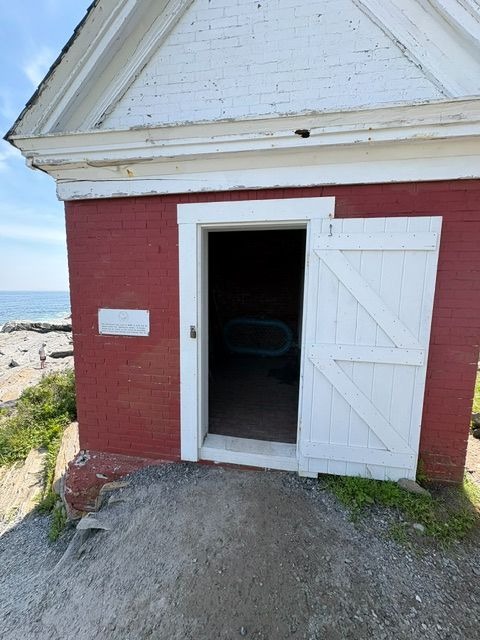
Built in 1897, the bell house sheltered the equipment used to operate the station’s fog bell. Early arrangements included steam-powered machinery, but in 1899 a weight-driven striking mechanism replaced it. A tall wooden tower housed the weights that powered the new system.
The mechanism worked rather like a large clock. At the onset of fog, the keeper wound the machinery, raising the weights. As they slowly descended, they powered a striker that sounded the bell at regular intervals. According to the Fishermen’s Museum, one winding could keep it operating for six to eight hours. The keeper then had to wind it again if poor visibility continued.
That equipment added another responsibility to the keeper’s work. Maintaining a light was only part of protecting vessels along this rocky shoreline; changing weather could also require hours of attention to the fog signal. Historical light lists recorded a single bell stroke every ten seconds, giving the warning a recognizable rhythm.
With its white door and simple brick walls, the building could easily be overlooked beside the lighthouse. Yet it represents an essential part of the station’s history: the effort to make this dangerous stretch of coast identifiable even when it disappeared from view.

Read More From Nancy
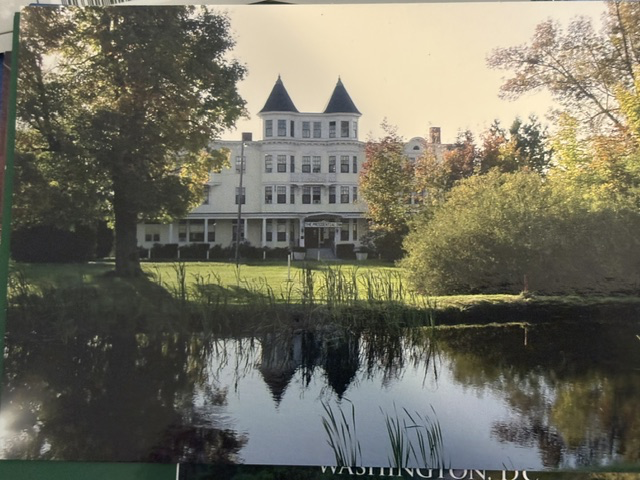
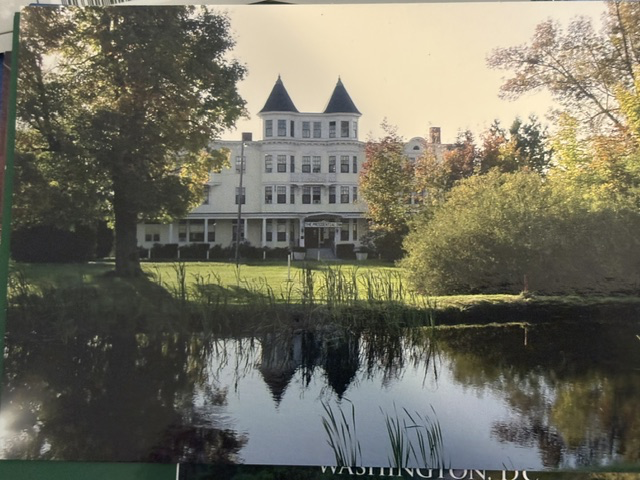
Poland Spring Resort
I made my way to Poland Spring to spend the night, and in many ways it felt like stepping back in time. This was not a modern luxury hotel experience. The room was plain, the towels were thin, and there was a small bar of soap waiting in the bathroom. The accommodations were simple and […]

The P-3 Orion at Brunswick Landing
We had stopped in Brunswick for breakfast when an airplane beside the road caught our attention. It stood on the grass with four propellers, broad wings, and a black nose that seemed to face anyone passing by. We had not planned to visit an air station, but there was no chance we were driving past […]
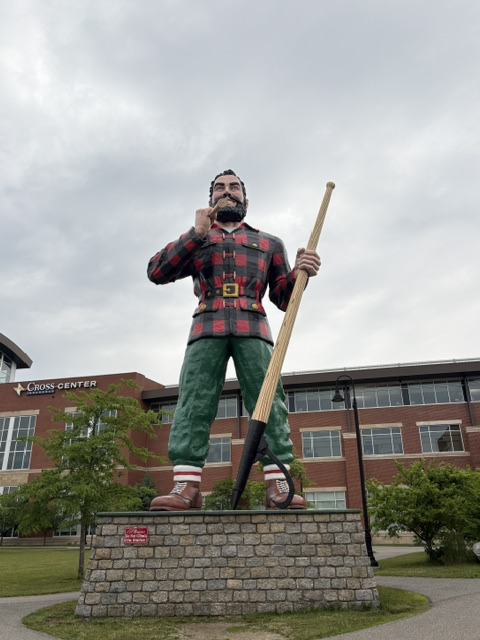
Paul Bunyan
While staying overnight in Bangor, Marty and I headed out to dinner and found something that was nearly impossible to miss: a gigantic lumberjack standing beside the road. At 31 feet tall, Bangor’s Paul Bunyan certainly gets your attention. Once I stopped to look more closely, I discovered that the statue tells a much larger […]

