Paul Bunyan
While staying overnight in Bangor, Marty and I headed out to dinner and found something that was nearly impossible to miss: a gigantic lumberjack standing beside the road. At 31 feet tall, Bangor’s Paul Bunyan certainly gets your attention. Once I stopped to look more closely, I discovered that the statue tells a much larger story about Bangor and Maine’s logging heritage.
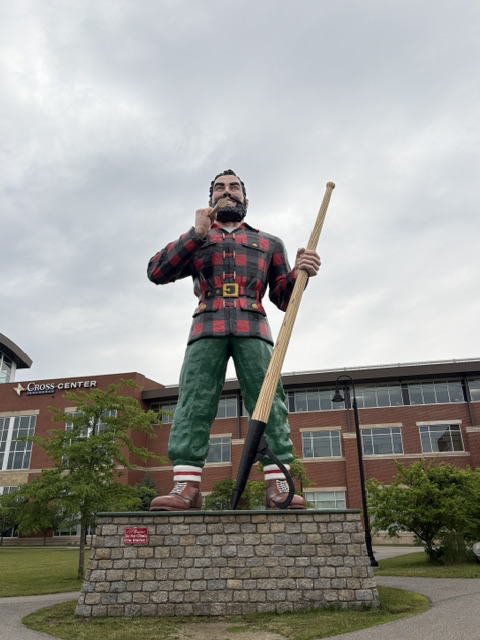
Paul Bunyan is one of America’s great folk heroes, the legendary lumberjack whose exploits grew increasingly impossible with every retelling. According to the tall tales, Paul was a giant of a man accompanied by Babe the Blue Ox. Together they could clear entire forests, create lakes and rivers, and accomplish feats no ordinary lumberjack could possibly manage.
There is no single place that can definitively claim to have created Paul Bunyan. Stories about enormous and extraordinarily strong lumberjacks circulated through logging camps in several northern states and Canada. By the early twentieth century, versions of the Paul Bunyan stories were appearing in print, and the character gradually became a national symbol of the American lumberjack.
Bangor has a particularly good reason to embrace him. During the nineteenth century, the city was one of the great lumber centers of the world. Maine’s vast forests supplied enormous quantities of timber, which was floated down the Penobscot River and its tributaries to Bangor. The city’s location at the head of navigation on the Penobscot made it a natural center for processing and shipping lumber.
At the height of the industry, hundreds of sawmills operated along the Penobscot River system. Lumbermen, river drivers, sawmill workers, merchants, and shipbuilders all became part of an economy built around the forests of northern Maine. Bangor became known as the “Lumber Capital of the World,” and fortunes were made from the timber that passed through the city.
The Paul Bunyan statue was created in 1959 as Bangor prepared to celebrate its 125th anniversary. Designed by Maine artist J. Normand Martin and built by Messmore & Damon of New York, the fiberglass-over-metal statue weighs several thousand pounds. Paul stands with an axe over his shoulder and a peavey in his hand, a traditional logging tool used for handling and moving logs
The interpretive panels surrounding the statue add another dimension to the visit. They explain not only the legends of Paul and Babe but also Bangor’s real logging history and the process of constructing the enormous statue. That distinction is important: Paul Bunyan belongs to folklore, but the lumber industry he represents was very real and played an enormous role in creating Bangor.
There is even some friendly competition over Paul Bunyan’s origins. Communities in Minnesota, Michigan, Wisconsin, and elsewhere have their own claims and their own versions of the legend. Bangor, however, proudly maintains its connection to Paul and even proclaimed itself his birthplace in 1959.
What began for us as simply heading out to dinner became another example of history appearing unexpectedly along the way. It would have been difficult to drive past a 31-foot lumberjack without wondering why he was there. Once we stopped, Paul Bunyan became an introduction to the much more interesting story behind him, the forests, logging camps, river drives, and lumber industry that once helped define Bangor.
The giant may be a legend, but the history he represents is very much part of Maine’s past.

Read More From Nancy

Fort William Henry
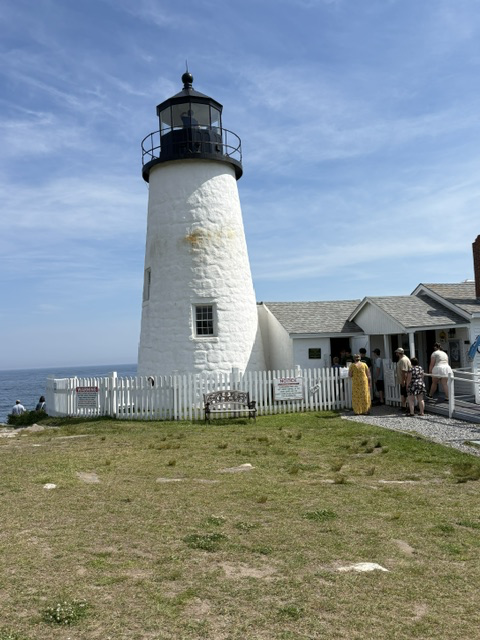
One of the highlights of our visit to Colonial Pemaquid in New Harbor, Maine, was exploring Fort William Henry. Looking across the harbor today, it is difficult to imagine that this peaceful stretch of coastline was once one of the most fiercely contested places in North America. Yet for much of the seventeenth century, this […]
The Giant Lobster at Pemaquid Point
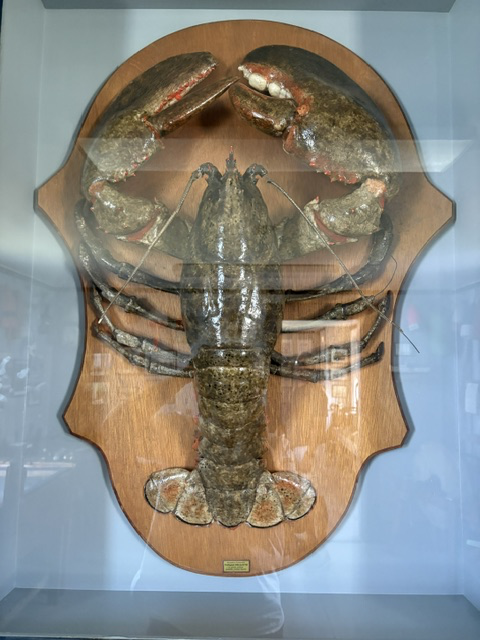
While visiting Pemaquid Point Lighthouse, I expected to learn about shipwrecks, lighthouse keepers, and Maine’s rocky coast. I didn’t expect one of the exhibits that would capture my attention most to be a giant lobster. Displayed inside the Fishermen’s Museum at Pemaquid Point is a mounted lobster weighing twenty-eight pounds. It was caught off the […]
Sabbathday Lake Shaker Village
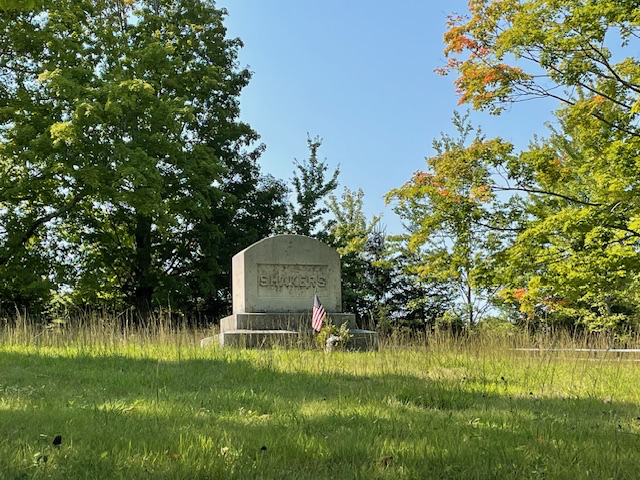
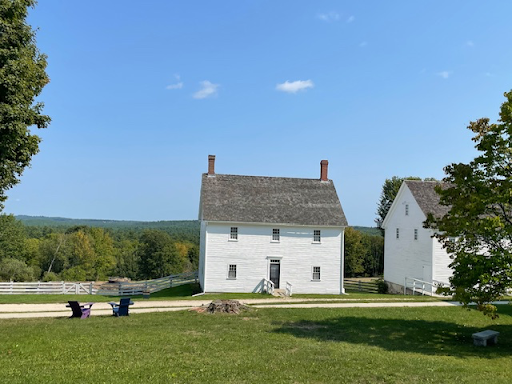
By far one of my favorite places to visit in Maine is the Sabbathday Lake Shaker Village. Over the years, I have visited many places associated with the Shakers, but this community is unlike any other. It is home to the last active Shaker community in the world. Today, only three Shakers continue the religious […]

