Tonge’s Island: An Early Capital of Acadia
A low rise surrounded by marshland may seem an unlikely place for a colonial capital. Yet in the seventeenth century, the land known as Île de la Vallière, later Tonge’s Island, became a centre of government in Acadia. Its story begins decades before the construction of nearby Fort Beauséjour.
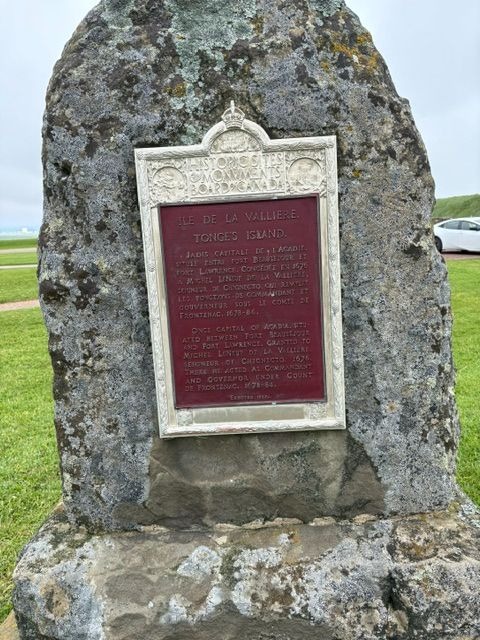
In 1676, Michel Leneuf de la Vallière received a seigneurial grant in the Beaubassin region and established his residence on this elevated ground. Across the Missiguash River stood the developing Acadian settlement of Beaubassin. The surrounding marshes offered land that settlers could reclaim through dyking, creating farms within a landscape governed by the tides.
La Vallière’s settlement included a stockade and a mill. When he became governor of Acadia in 1678, it also became the capital, serving that role until 1684. This small settlement briefly held an administrative importance far greater than its size might suggest.
The word “island” describes its relationship to the surrounding marshes. Rather than a rocky island offshore, it is a slight rise of land within the Tantramar landscape. Its position on the Chignecto Isthmus placed it in a region that would later become fiercely contested by French and British forces.
The commemorative stone preserves the name of a settlement whose buildings no longer dominate the landscape. It draws attention to an earlier chapter of Acadian history, when this marshland supported homes, agriculture, and a seat of government. Before the nearby forts made Chignecto a military frontier, it was already a place where people were building communities.
Read More From Nancy
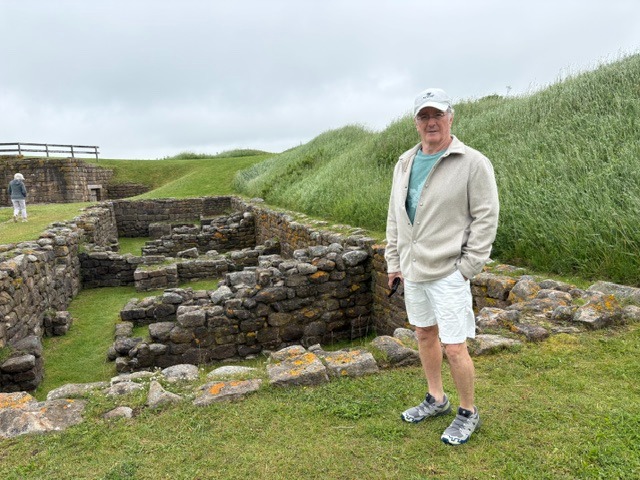
Life Inside Fort Beauséjour
Keeping a fort ready for battle required a great deal of ordinary work. At Fort Beauséjour, soldiers dug ditches, maintained defences, collected rubbish, and cut and carried firewood. Before a garrison could defend its position, it needed shelter, supplies, warmth, and a daily routine. The surviving walls and foundations offer a way to consider those […]
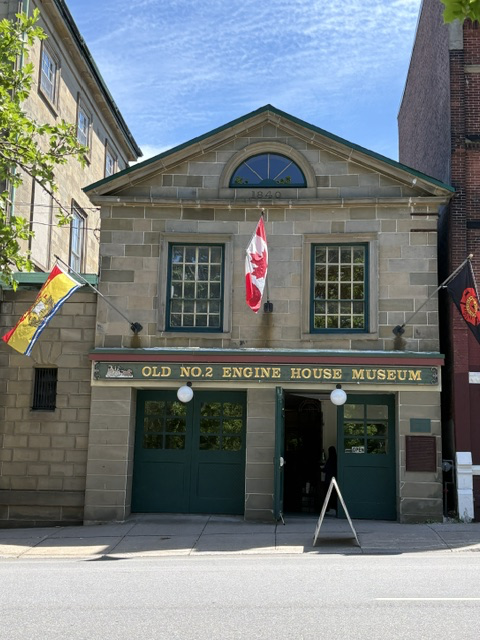
Engine House Museum
Before fire engines had motors, alarms were transmitted electronically, or firefighters were employed by the city, Saint John relied upon volunteer companies to respond when flames threatened the community. One of those companies operated from the No. 2 Engine House at 24 Sydney Street, where volunteers once pulled a hand-operated fire engine through the wide […]
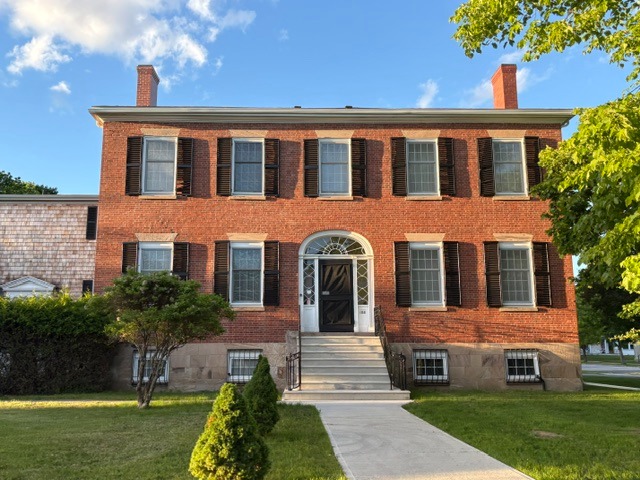
Chestnut Hall and the Ross Memorial Museum
Built in 1824, Chestnut Hall has served as a private residence, a center for regional crafts, and a museum. The red-brick house on Montague Street was constructed for Harris Hatch, an attorney and prominent Charlotte County resident. Its symmetrical windows, dark shutters, and central entrance reflect its classical design. A patterned fanlight and sidelights surround […]

