The Wing Fort House
Along Spring Hill Road in East Sandwich stands a house whose simple exterior hides an extraordinary history. The Wing Fort House dates to about 1641, placing its beginnings within the first years of Sandwich itself. What makes it especially unusual is the continuity of the family connected with it: generations of the Wing family occupied the house for roughly three centuries.
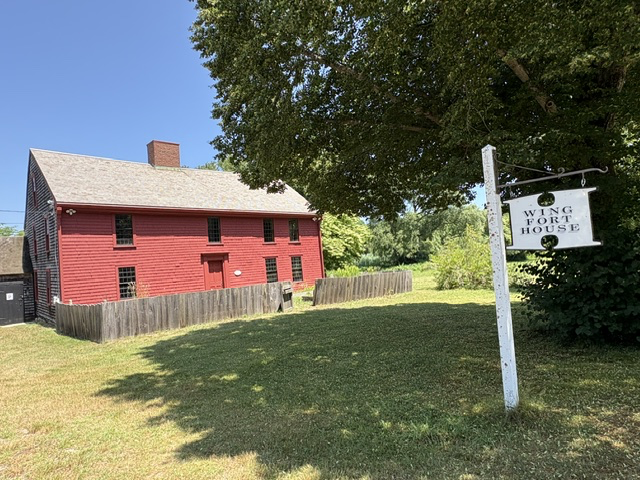
The earliest portion began as a small, single-cell dwelling. In 1646 it became the home of Stephen Wing, one of Sandwich’s early settlers. Stephen was the son of the Reverend John Wing and Deborah Bachelor. The family had come to the region during the first generation of European settlement on Cape Cod, and Stephen established his own household here.
The name “Fort House” adds another layer to the story. Local tradition held that the building had once served as a place of refuge for settlers during times when they feared attack by Native people. The oldest section of the structure contains unusually substantial construction, including a double exterior wall, which may have helped give rise to that tradition. However, the evidence that the house functioned as a fort is not conclusive, so the story is best understood as a longstanding local tradition rather than established fact.
What we do know is that this was a living house rather than a building frozen in one moment of history. As the Wing family grew, descendants enlarged and altered it. The original small dwelling gradually became the two-story colonial house we see today. Each generation left something behind, making the building a record of changing family needs and tastes over centuries.
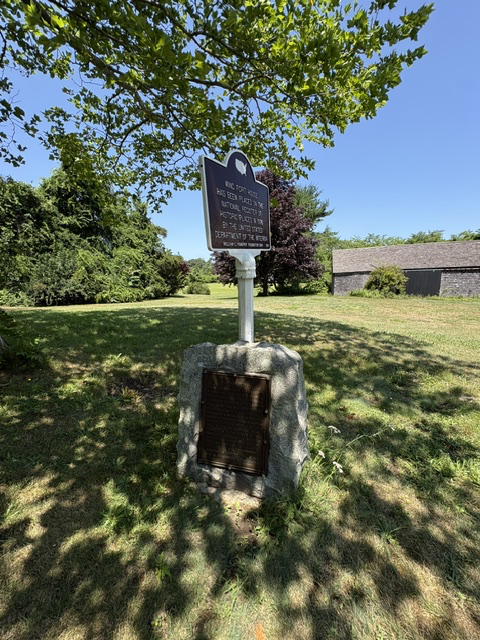
Perhaps the most remarkable part of the story is how long that continued. Wing descendants remained here until the twentieth century. The last family resident, Cora Wing, transferred the property to the Wing Family of America in the 1940s, ending approximately three centuries of direct family occupancy while beginning a new chapter devoted to preservation.
When the family organization acquired the property, the house still lacked electricity, modern heating and indoor plumbing. Those modern conveniences were deliberately not introduced, allowing the building to retain something of the physical character that had defined life here for generations. Much of the house is furnished with Wing family antiques, so the objects inside are connected to the same extended family whose history the building preserves.
Read More

Read More From Nancy
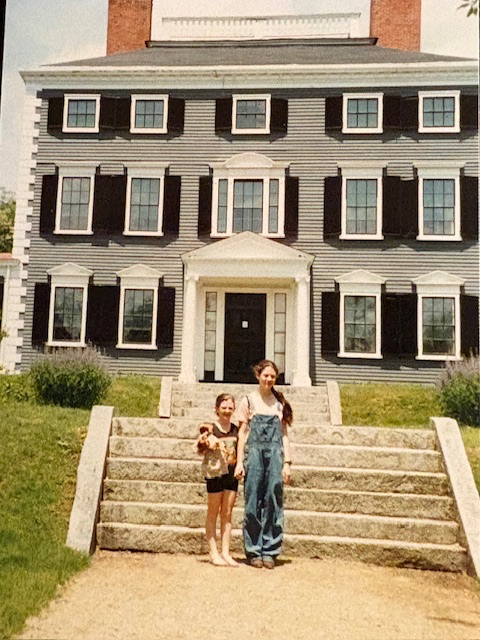
Codman Estate
The Codman House in Lincoln, known as The Grange, stands as one of the most elegant and layered historic homes in Massachusetts, and is another home that we have visited often. There is something about returning to a place like this that deepens appreciation with each visit. Build around 1747, and later expanded, the house […]
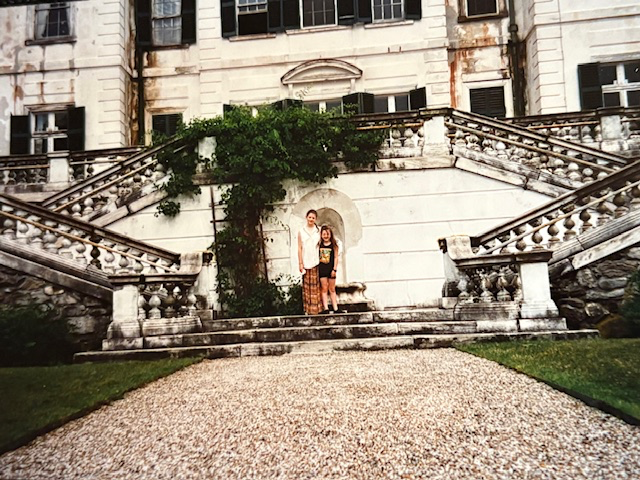
Edith Wharton’s Mount
Exploration through road trips was a big part of homeschooling in our household. Each spring, when historic homes reopened for the season, off we would go, ready to step into another life and another era. One such stop was Edith Wharton’s home in Lenox, Massachusetts, a place we returned to more than once, always drawn back […]
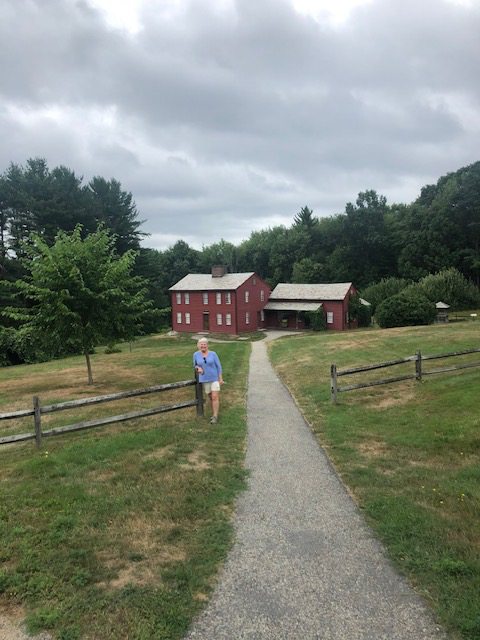
Fruitlands Farmhouse
The farmhouse at Fruitlands is a house that we visited often. When my daughters were volunteering at the Orchard House in Concord, the farmhouse at Fruitlands helped fill in another part of the story of the Alcott Family. It was here that Bronson Alcot attempted to create and intentional community based on transcendentalist ideals. In […]

