Edith Wharton’s Mount
Exploration through road trips was a big part of homeschooling in our household. Each spring, when historic homes reopened for the season, off we would go, ready to step into another life and another era.
One such stop was Edith Wharton’s home in Lenox, Massachusetts, a place we returned to more than once, always drawn back by its gardens and her remarkable library.
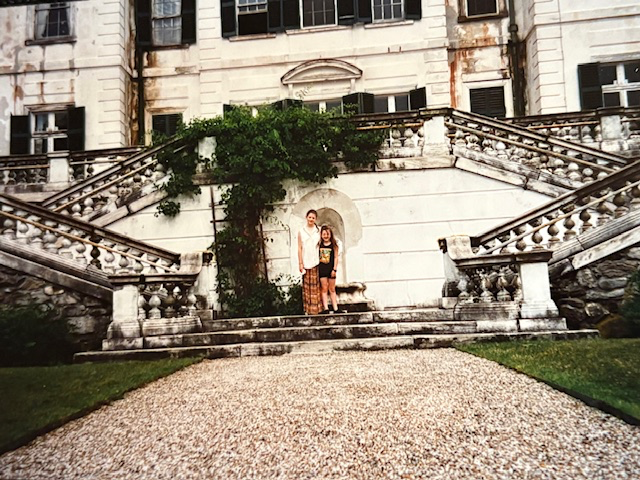
Known as The Mount, the house was designed by Wharton herself in the early 1900s and reflects her sharp eye for architecture, landscape and order. Long before she became the first woman to win the Pulitzer Prize for fiction, Wharton was already shaping spaces as carefully as she shaped sentences. The home blends classical symmetry with European influence, set high on a hill overlooking the Berkshires
It was here, between 1902 and 1911, that Wharton wrote some of her most important works, including “The House of Mirth”, “Ethan Frome”, and “The Custom of the Country”.
We were captivated by the gardens, layered terraces, stone stairways and carefully framed views. And her library, a room that showed her life was steeped in reading, travel and intellectual rigor. One more special detail was Wharton’s breakfast nook, a small-elegant space flooded with light and positioned to overlook the grounds.
The Mount was just one of the stops in our homeschooling road trips. History is so rich in these houses, and we could walk through each one and glimpse different eras, social classes and ways of living. All of this is preserved within the walls that once echoed with daily routines, conversations, and quiet moments of creativity.
These places are where history lives outside of textbooks.
Read More From Nancy
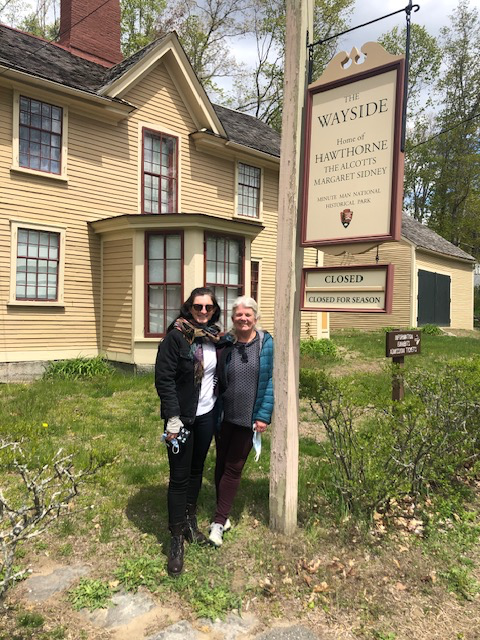
The Wayside
There are houses that preserve history, and then there are houses that helped shape it. The Wayside in Concord, Massachusetts, is one of those extraordinary places. This house has always held a special place in our family’s story. Both of our daughters gave tours here, sharing the remarkable history of the people who lived within […]
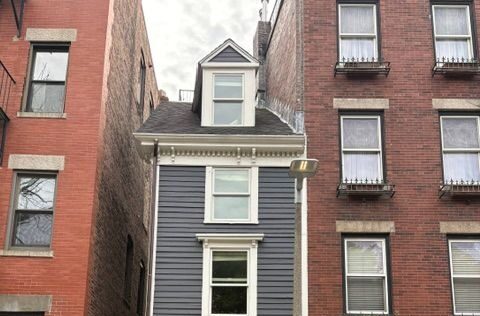
The Skinny House
Across from Copp’s Hill Burying Ground, a remarkably narrow wooden house stands among the larger brick buildings of Boston’s North End. At 44 Hull Street, the Skinny House rises four stories while measuring only about ten feet across its street-facing exterior. Its entrance is tucked into the alley beside it, allowing the slender front to […]
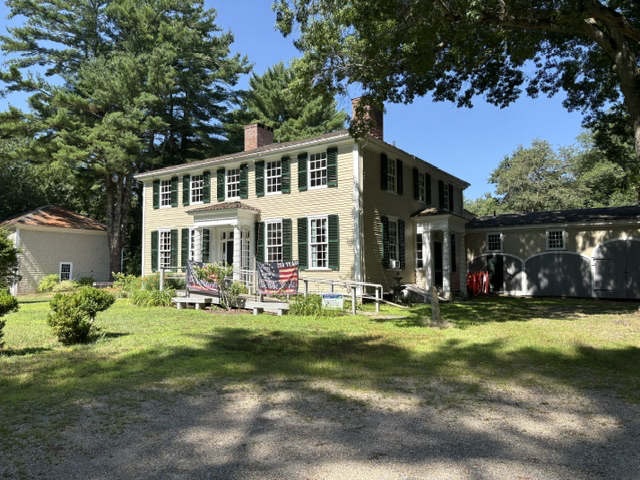
The Oliver Estate
On my way home from our camping trip to Plymouth, I made a side trip to Middleborough specifically to visit the Oliver Estate. I had learned that this was the home of one of Massachusetts’s prominent Loyalist families, and I wanted to understand more about the people who chose to remain loyal to the Crown […]

