The Star Club
While traveling through Hamburg, Germany, Erin and I made a point of visiting one of the most famous addresses in rock-and-roll history. Today, there is little to suggest what once stood here, but this plaque marks the location of the legendary Star-Club, one of the most influential music venues of the twentieth century.
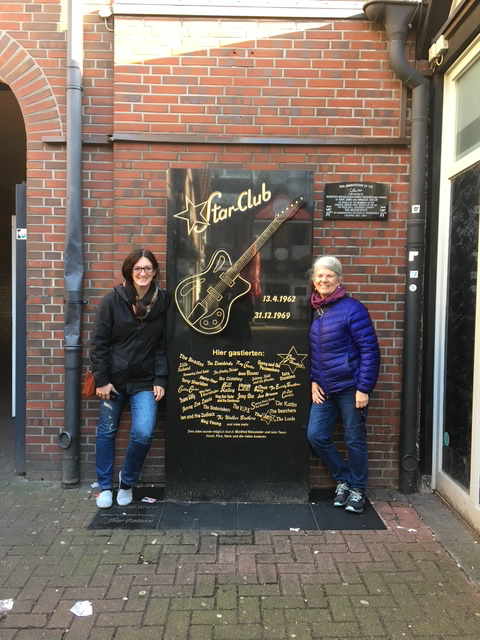
The Star-Club opened on April 13, 1962, in Hamburg’s St. Pauli district, a neighborhood already known for its vibrant music scene. It quickly became one of Europe’s premier rock-and-roll clubs, hosting an extraordinary lineup of performers. Artists such as Ray Charles, Little Richard, Jerry Lee Lewis, Chuck Berry, Fats Domino, Gene Vincent, Bo Diddley, The Everly Brothers, and Jimi Hendrix all appeared on its stage.
The club is remembered most for its connection to The Beatles. Before they became an international sensation, John Lennon, Paul McCartney, George Harrison, and Pete Best, and later Ringo Starr, spent countless hours performing in Hamburg. The long nights, demanding audiences, and relentless schedule helped transform them from an inexperienced Liverpool band into polished professional musicians. Many historians consider their years in Hamburg to have been the foundation of their future success.
The Star-Club remained open until December 31, 1969. Although the building was later destroyed by fire, the site continues to attract visitors from around the world who come to stand where music history was made.
Visiting the Star-Club was another reminder that every place has a story. This small plaque marks a location where young musicians worked tirelessly long before they became household names. It is easy to celebrate success after it arrives, but places like this allow us to appreciate the years of dedication, hard work, and perseverance that made that success possible.

Read More From Nancy
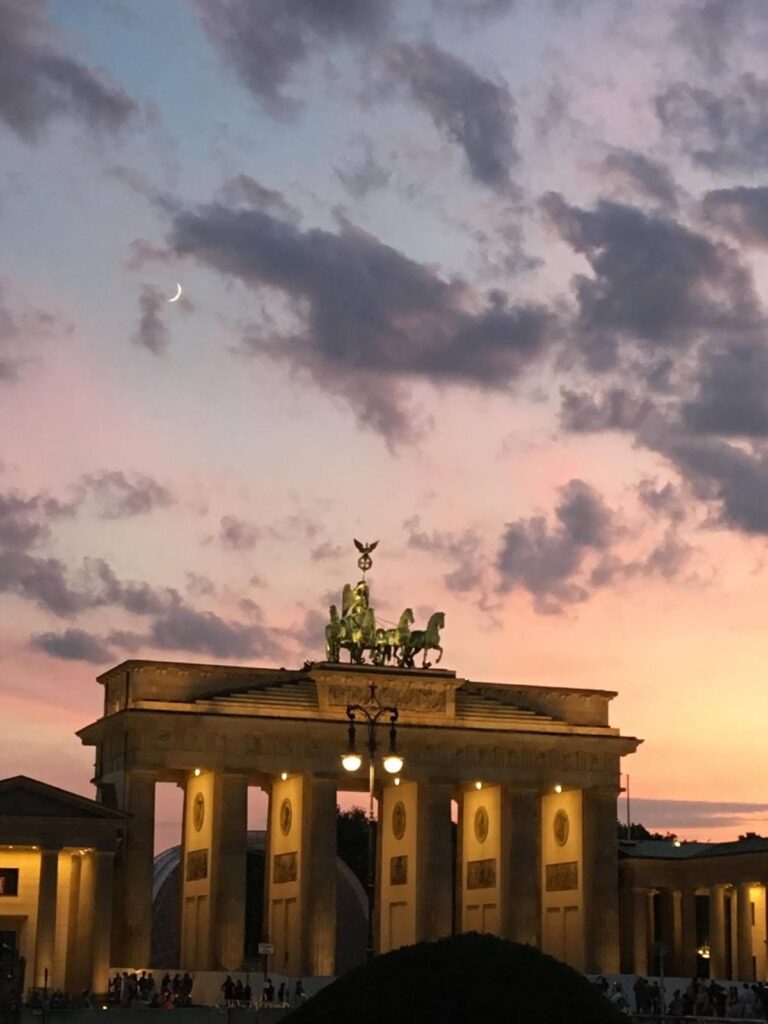
Brandenburg Gate
While visiting Berlin, the Brandenburg gate quickly becomes more than just a landmark, it becomes a focal point of the city’s history. Standing at Pariser Platz, we faced a structure built between 1788 and 1791 under King Frederick William II of Prussia. Designed by architect Carl Gottheard Langhans, the gate was inspired by classical Greek architecture. Its […]
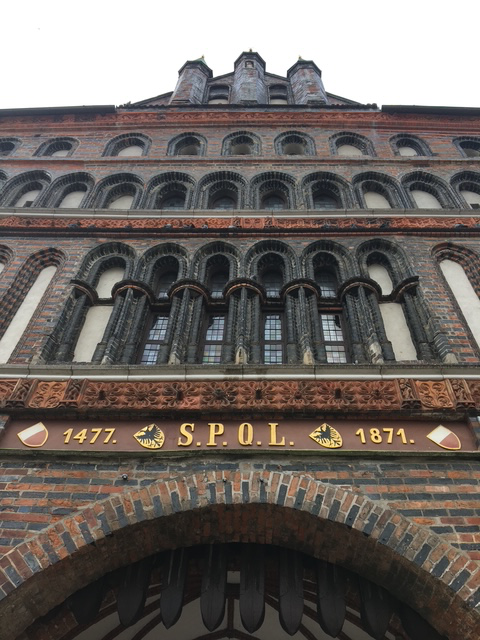
S.P.Q.L. – The Senate and People of Lübeck
While standing beneath the Holstentor in Lübeck, one detail caught my attention. Above the entrance are the letters S.P.Q.L., an inscription modeled after the famous Roman initials S.P.Q.R., meaning “The Senate and People of Rome.” In Lübeck, the letters stand for Senatus Populusque Lubecensis—”The Senate and People of Lübeck.” The inscription reflects the city’s pride in its long […]
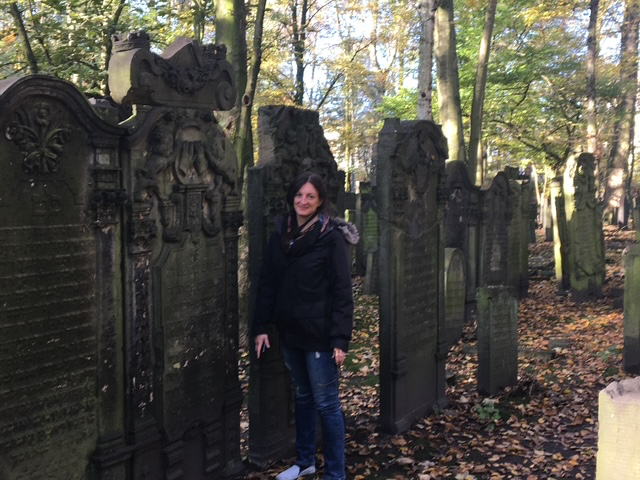
Jewish Cemetery of Altona
One of the most memorable stops on Erin’s and my Jewish heritage tour of Hamburg was a visit to the historic Jewish Cemetery of Altona. It is not a place that most visitors ever see. Access is carefully controlled to protect this remarkable site, and through the special arrangements of our guide, we were able […]

