The Railway
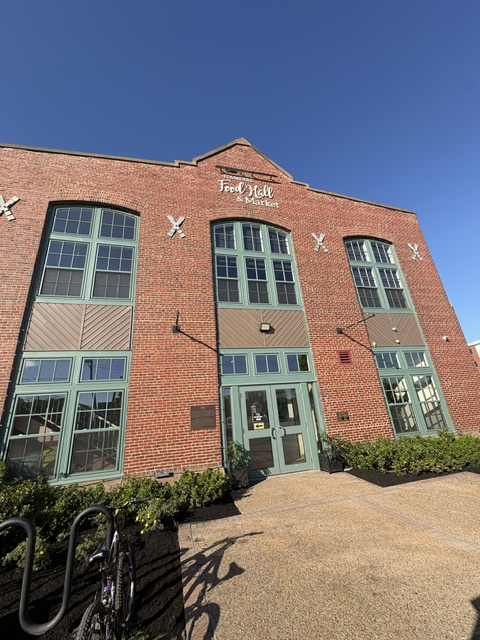
While walking through Charlottetown, I came across this old Railway Car Shop. At first, it seemed like another surviving industrial building, but the nearby interpretive panels revealed a much larger story. Prince Edward Island’s railway didn’t simply change how Islanders traveled. It helped change the political future of the Island itself.
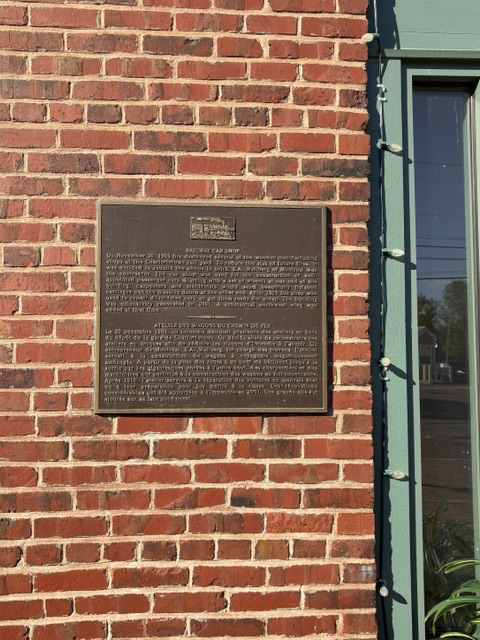
Before the railway was built, communities only ten miles apart could have surprisingly little contact with one another. Beginning in 1871, railway tracks began spreading across the Island, with stations every few miles. For the first time, people and communities were connected in an entirely new way.
The trains carried farmers and their produce to market, children to boarding schools, brides to weddings and mourners to funerals. Hockey teams and their fans traveled to games. The railway also became one of the Island’s largest employers, creating hundreds of jobs building, maintaining and operating the system.
Island winters created their own challenges. Massive snowdrifts could stop trains despite the large plows mounted on their fronts. Crews known as “snow fighters” were sometimes sent out with shovels to dig the trains free. But the railway also created an enormous problem.
Prince Edward Island had hosted the Charlottetown Conference in 1864, helping begin the discussions that eventually created Canada. Yet when Confederation occurred in 1867, Prince Edward Island chose not to join. Then the Island embarked on an ambitious railway-building program. Construction costs soared, while passenger and freight revenues were insufficient to cover them. Railway debt became a tremendous financial burden for the small colony. Canada offered a solution: if Prince Edward Island joined Confederation, the Canadian government would assume the Island’s railway debt. In 1873, Prince Edward Island became Canada’s seventh province.
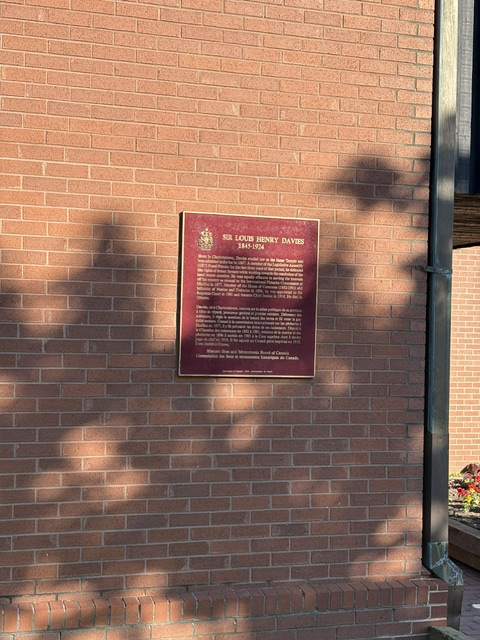
Read More From Nancy
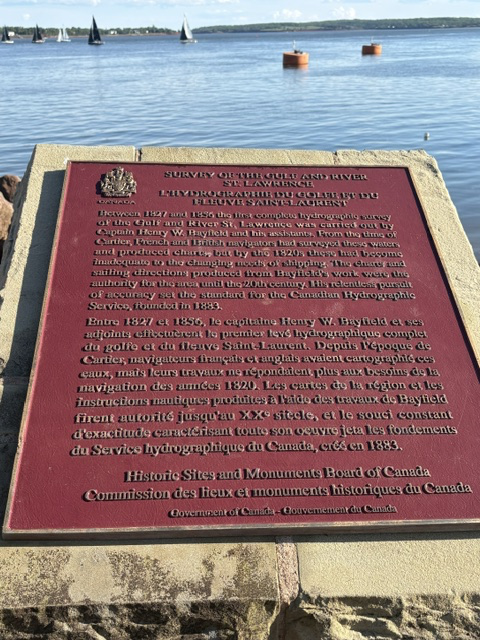
Captain Henry Wolsey Bayfield
Walking along the Charlottetown waterfront, it is easy to simply enjoy the view across the harbor. Sailboats move across the water, the opposite shore seems close by, and today we give little thought to knowing exactly where the channels, shoals and underwater hazards are located. A plaque along the waterfront introduced me to Captain Henry […]
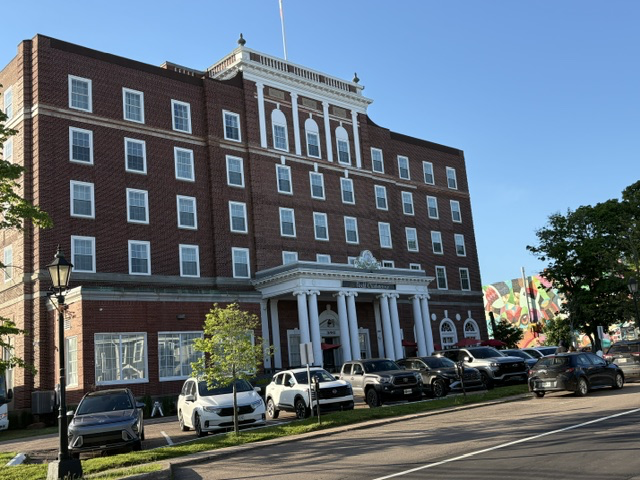
The Hotel Charlottetown
Walking through Charlottetown, we passed this large red-brick hotel on Kent Street. Its formal entrance, white columns and symmetrical façade make it look as though it belongs to an earlier era of travel. Originally known as the Hotel Charlottetown, it opened in 1931. It was built by the Canadian National Railway during an era when […]
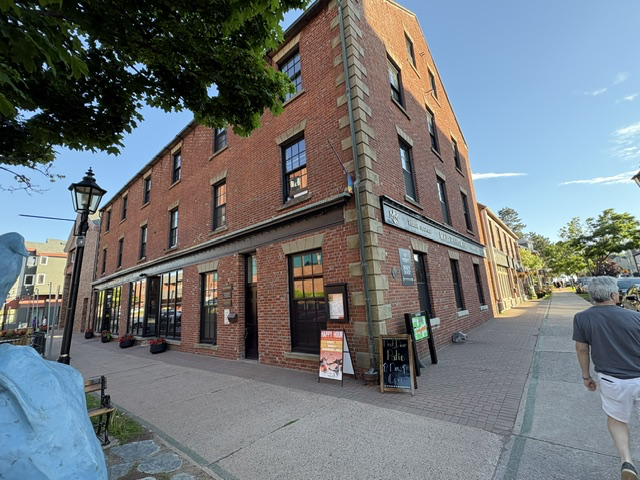
The Peake-Carvell Building
While walking near the Charlottetown waterfront, we passed this large brick building at the corner of Queen and Water Streets. Today, part of it is occupied by Merchantman Fresh Seafood & Oyster Bar, but the name “Carvell” still visible on the building hints at a much older story. It turns out that this building is a […]

