The Kirk of St. James
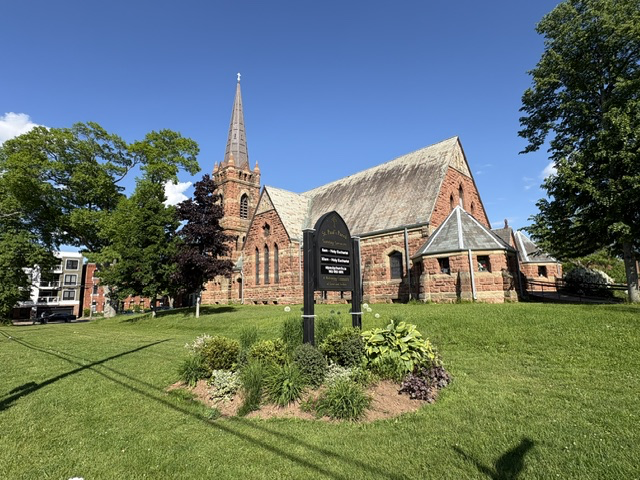
While walking through Charlottetown, I photographed the Kirk of St. James, a beautiful sandstone Presbyterian church standing on Fitzroy Street. The building caught my attention, but its story reaches far beyond the congregation that worshipped here. It represents the enormous influence Scottish immigrants had on Prince Edward Island.
Beginning in the late 18th century and continuing throughout the 19th century, thousands of Scots came to the Island. Some arrived directly from Scotland, particularly from the Highlands and the Hebrides, while others came through organized settlements. By the middle of the 19th century, people of Scottish origin made up a substantial portion of Prince Edward Island’s population. Their language, religion, traditions and communities became deeply woven into Island life.
One of the most important early migrations occurred in 1772, when the ship Alexander brought more than 200 Highland Scots to Prince Edward Island. They settled primarily in the northeastern part of the Island. Other migrations followed, including the arrival of approximately 800 settlers brought by Lord Selkirk in 1803. Many of those families were Gaelic-speaking Highlanders seeking opportunities that were becoming increasingly difficult to find in Scotland.
They brought their churches with them, not the buildings, but their faith and traditions.
Presbyterianism became one of the strongest religious influences on Prince Edward Island. For Scottish immigrants, the church was much more than a place for Sunday worship. Congregations helped preserve community connections, provided education and offered a familiar institution in a new country. Ministers often became important leaders within their communities.
The congregation that became St. James was organized in Charlottetown in 1831. Its early members were largely Scottish Presbyterians, and the familiar Scottish word “Kirk,” simply meaning church, became so closely associated with the congregation that St. James is still known as the Kirk of St. James.
The church in my photograph came later. Constructed of Island sandstone and designed in the Gothic Revival tradition, it reflects how firmly established the Presbyterian community had become in Charlottetown. This was no longer the temporary church of a newly arrived immigrant population. It was a substantial building created by a community that had become part of the social fabric of the Island.
Scottish influence on Prince Edward Island extended far beyond religion. Scottish settlers became farmers, merchants, shipbuilders, educators, lawyers and political leaders. Gaelic was once widely spoken in some Island communities, and Scottish surnames remain everywhere. Even today, names beginning with Mac and Mc are an immediate reminder of how many Island families trace their ancestry back to Scotland.
The Kirk also survived an important turning point in Canadian religious history. In 1925, Methodists, Congregationalists and most Presbyterians joined to form the United Church of Canada. Not every Presbyterian congregation agreed to enter the new denomination. St. James chose to remain Presbyterian, preserving an identity that stretched back to those earlier Scottish congregations.
The Scots who crossed the Atlantic brought very little of their physical world with them, but they carried their language, faith, customs and ideas. Over generations those traditions became part of Prince Edward Island itself. The Kirk of St. James is one place in Charlottetown where that Scottish influence is still standing in plain sight.
Read More From Nancy
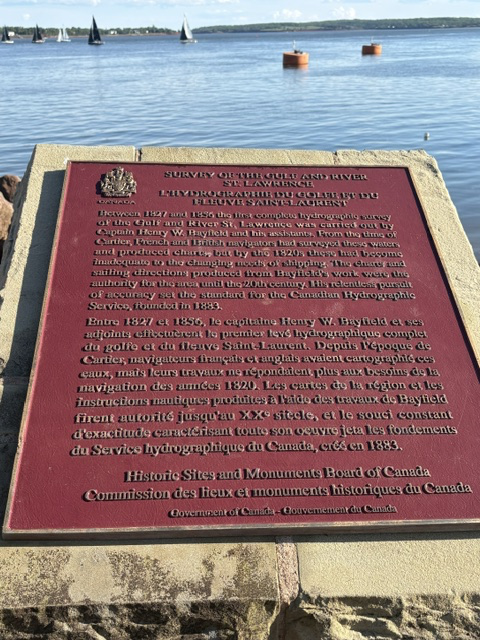
Captain Henry Wolsey Bayfield
Walking along the Charlottetown waterfront, it is easy to simply enjoy the view across the harbor. Sailboats move across the water, the opposite shore seems close by, and today we give little thought to knowing exactly where the channels, shoals and underwater hazards are located. A plaque along the waterfront introduced me to Captain Henry […]
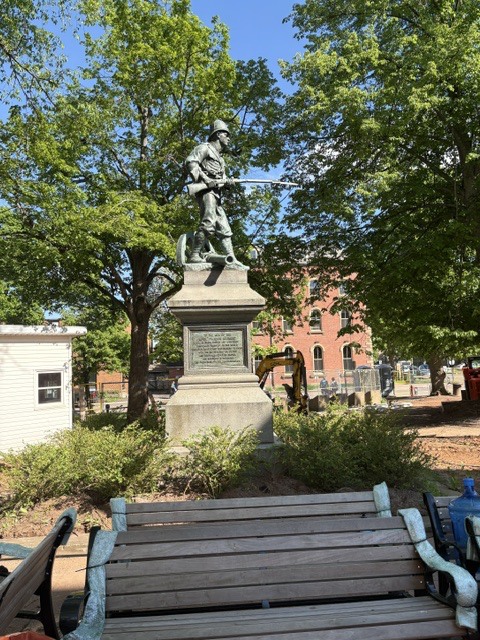
The Soldiers Monument
While walking through Charlottetown, we came across this monument to the men of the Royal Canadian Regiment who served in the South African War of 1899–1902. It immediately caught my attention because it commemorates a war that we rarely encounter on monuments at home in the United States. The reason is simple: the United States […]
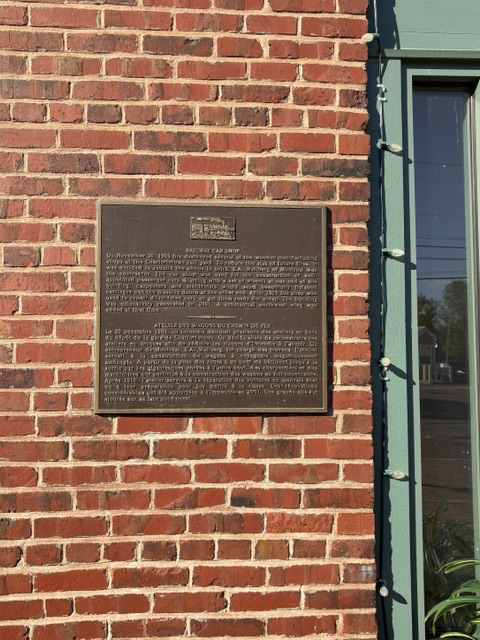
The Railway
While walking through Charlottetown, I came across this old Railway Car Shop. At first, it seemed like another surviving industrial building, but the nearby interpretive panels revealed a much larger story. Prince Edward Island’s railway didn’t simply change how Islanders traveled. It helped change the political future of the Island itself. Before the railway was […]

