The Old Town Pound
While exploring the colonial cemetery in Sudbury, Massachusetts, I noticed this curious stone enclosure standing beside the old burial ground. At first glance, it appears to be a family plot or perhaps the foundation of a long-vanished building. In fact, it is the town’s Old Town Pound, an important but often forgotten feature of colonial life.
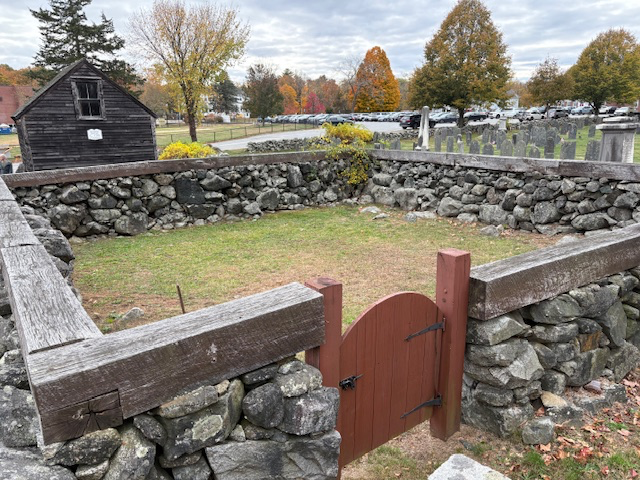
Before fences became common, livestock frequently wandered from their owners’ property. Stray animals were rounded up and confined within the pound until their owners paid a fee to reclaim them. Such pounds were once common throughout New England, serving as an early form of animal control and an important source of town revenue.
Located beside Sudbury’s historic cemetery and near the town center, the pound reminds visitors that colonial communities were concerned with the ordinary problems of daily life. Carefully restored in recent years, this simple stone enclosure offers a glimpse into the practical realities faced by the men and women who built early New England. More than two centuries later, the Old Town Pound stands as a quiet reminder that history is often found in the most unexpected places
Read More From Nancy
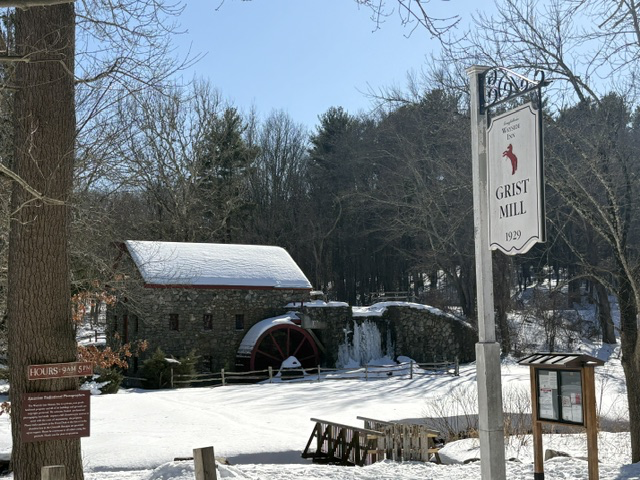
The Wayside Inn Grist Mill
The picturesque Grist Mill at the Wayside Inn is one of the most photographed landmarks in Massachusetts, but it is much more than a scenic backdrop. Built by Henry Ford in 1929, the mill was constructed near the site of the original How family grist mill that had served the inn and surrounding farms during […]
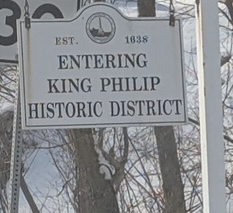
King Philip Historic District
Driving west along Route 10 from Wayland into Sudbury, it is easy to miss the roadside marker that reads: “Entering King Philip Historic District“. This simple sign points to one of the oldest colonial settlement areas in Massachusetts and to events connected with one of the most significant conflicts in early New England history. The district lies […]
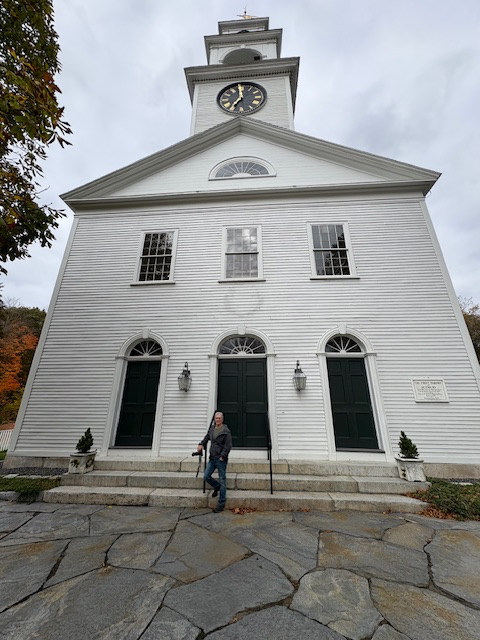
First Parish of Sudbury
The history of the First Parish of Sudbury reaches back into the early 18th century. The plaque reads: “First West Precinct Meeting House of the Rocky Pain built in 1723” tells the story of a growing colonial community that needed its own center for worship and governance. In 1723, residents of what was known as the “Rocky […]

