First Parish of Sudbury
The history of the First Parish of Sudbury reaches back into the early 18th century. The plaque reads: “First West Precinct Meeting House of the Rocky Pain built in 1723” tells the story of a growing colonial community that needed its own center for worship and governance.
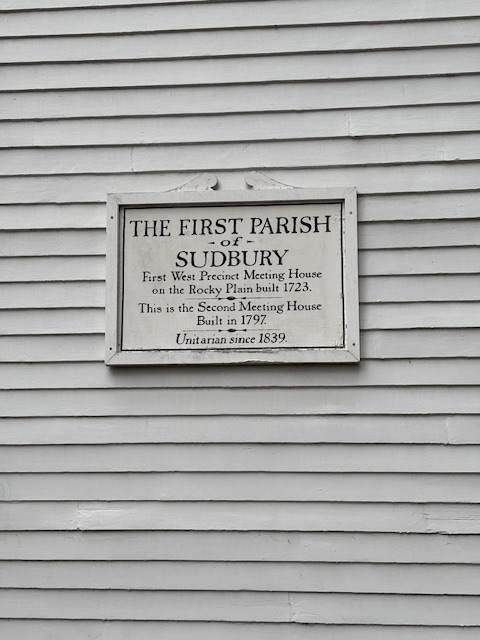
In 1723, residents of what was known as the “Rocky Plain” built their first meetinghouse. Like many New England parishes, this was not merely a church, it was the civic heart of the precinct, where sermons were preached, taxes discussed and town matters debated. Religious and governmental life were inseparable
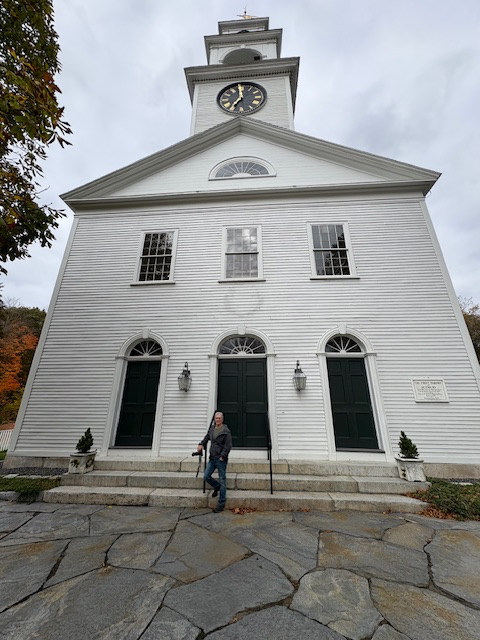
The present structure dates to 1797, making it the second meeting house built on this site. By then, the American Revolution had passed, and the building reflects the emerging Federal architectural period
In 1839, the congregation formally became Unitarian. The early churches of Sudbury began in the Puritan tradition, rooted in 17th century beliefs about a triune God, human sinfulness and predestination. Salvation was predetermined by God. By the early 1800s, many New England congregations shifted toward Unitarianism, which emphasized the oneness of God and placed greater trust in human reason and moral capacity. Where Puritanism stressed divine authority and human dependence, Unitarianism leaned toward intellectual inquiry, ethical living and reform.
The plaque, the dates and the structure itself tell a story of both continuity and change. The First Parish Church of Sudbury, embodies the way New England towns evolved: beginning as tightly knit religious precincts and gradually developing into communities shaped by both tradition and thoughtful reform.
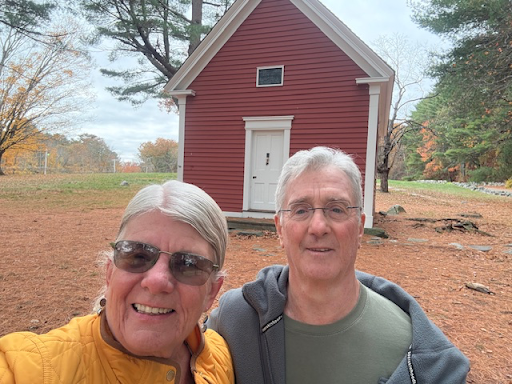
Read More From Nancy
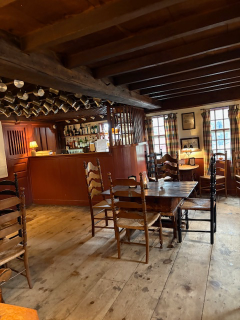
The Wayside Inn
On a beautiful October day (2025), I drove to Sudbury, Massachusetts. There are so many places I’ve visited without taking a photo or leaving a written memory, so this time, I set out to capture the Wayside Inn, to record its presence and share it with you. Here in New England, we are surrounded by places that […]
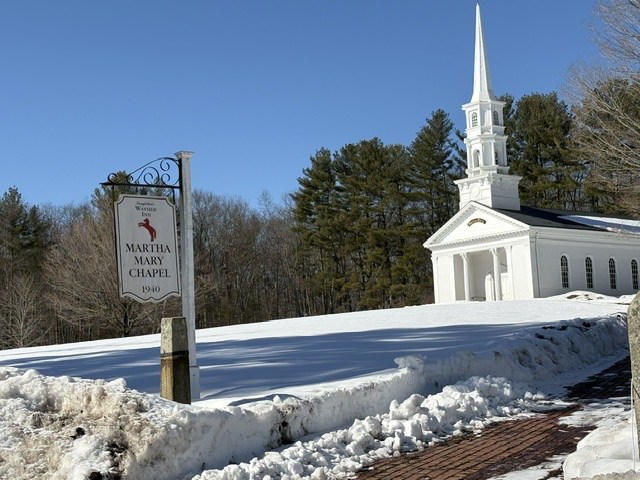
The Martha-Mary Chapel
Standing on a rise across from Longfellow’s Wayside Inn in Sudbury, the Martha-Mary Chapel looks as though it has been part of the New England landscape for centuries. In fact, it dates only to 1940, and its story is inseparable from Henry Ford and his remarkable effort to preserve an idealized piece of early American […]
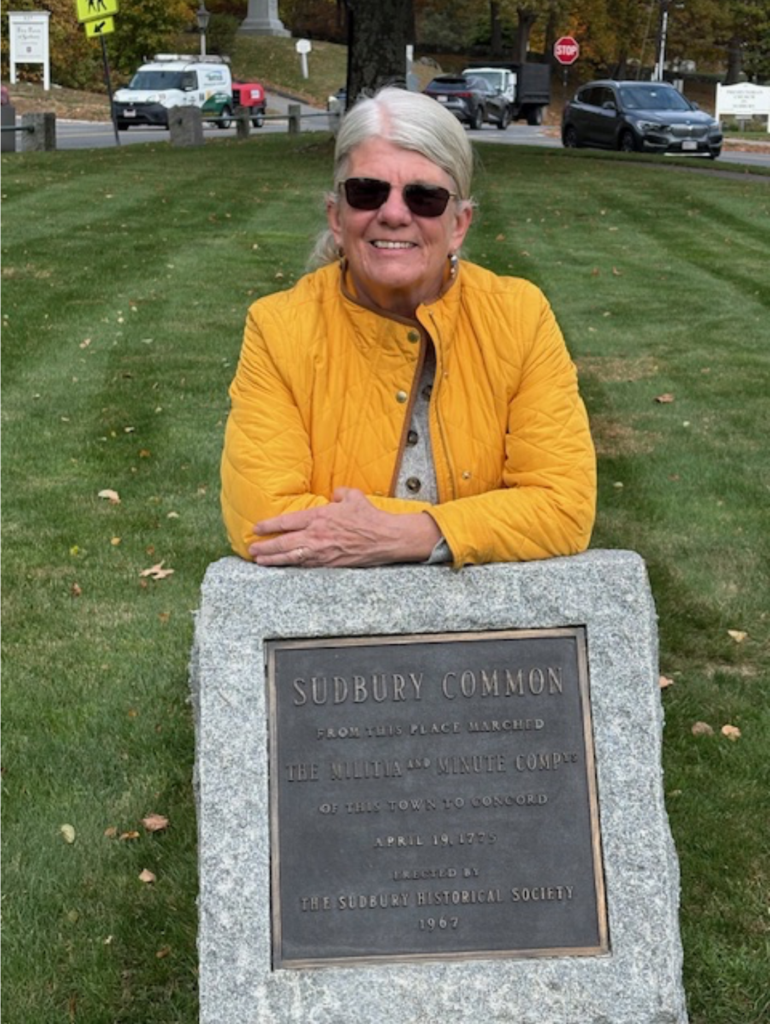
Colonial Militia Monument
As I have explored and shared about many of the towns in Massachusetts that have colonial roots, I have noticed how prominently they mark their connection to the start of the Revolutionary War. The monuments are often placed center stage, physical reminders of the role each community played on April 18, 1775. Acton built a […]

