The Martyrs of 1809
While exploring the area around Barcelona Cathedral, I came upon this moving monument tucked into a quiet square beside the cathedral walls. Like so many monuments I encounter while traveling, it encouraged me to stop and learn the story behind it.
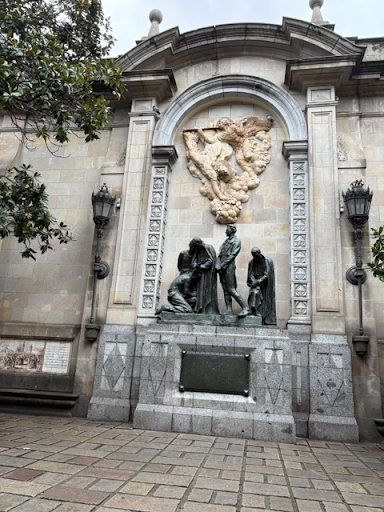
This memorial honors the Martyrs of 1809, a group of Catalan patriots who were executed by French forces during Napoleon’s occupation of Barcelona. During the Peninsular War (1808–1814), Napoleon sought to extend French control over the Iberian Peninsula by placing his brother, Joseph Bonaparte, on the Spanish throne. Many Spaniards rejected French rule, sparking a brutal six-year conflict that became one of the defining struggles of the Napoleonic Wars.
Barcelona fell to French forces in 1808 and remained under occupation until 1814, when Napoleon’s empire began to collapse following his defeats across Europe. During those six years, the city was heavily garrisoned by French troops, its citizens endured military rule, shortages, and economic hardship, and resistance movements operated in secret despite the severe consequences if they were discovered.
In 1809, several citizens of Barcelona organized a conspiracy to overthrow the French occupation. Their plans were uncovered before they could be carried out, and many of the conspirators were arrested. On June 3, 1809, several of them were publicly executed near this very site. Their deaths transformed them into symbols of Catalonia’s determination to resist foreign occupation and preserve its identity.
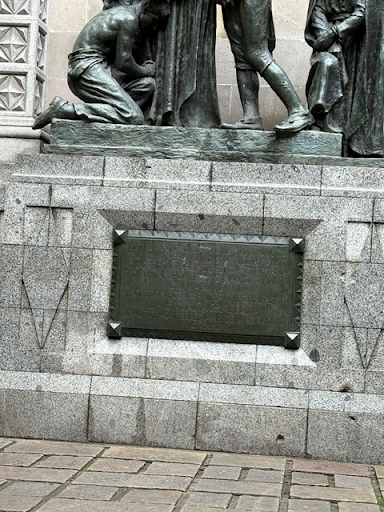
The monument was designed by the sculptor Josep Llimona, although political events delayed its completion for many years. It was finally inaugurated in 1941. The bronze figures portray the final moments before the executions, while the stone relief above depicts angels receiving the souls of the condemned. Together, the sculptures capture both the tragedy of the event and the hope that their sacrifice would not be forgotten.
Standing before this memorial, I was reminded that the history of Barcelona extends far beyond its famous architecture and vibrant streets. The city has endured invasions, occupations, political upheaval, and centuries of change. This monument preserves the memory of ordinary citizens who were willing to risk their lives in the hope that their city and country would once again be free.
As I continued exploring the Gothic Quarter, I realized that every plaza and narrow street seemed to hold another story waiting to be discovered. Sometimes those stories celebrate great achievements, and sometimes they honor ordinary people whose courage helped shape the future.
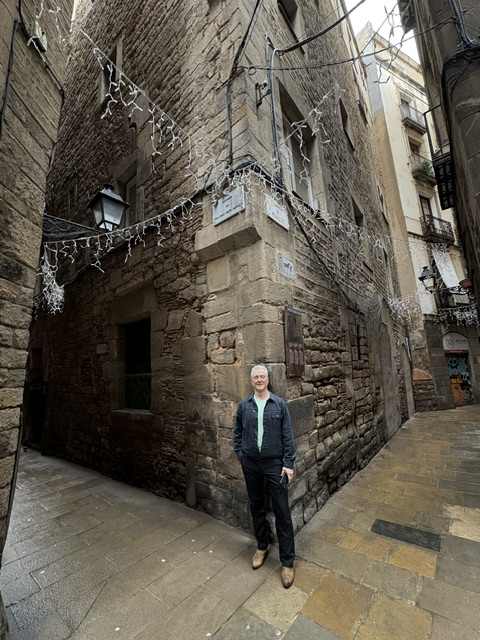
Read More From Nancy
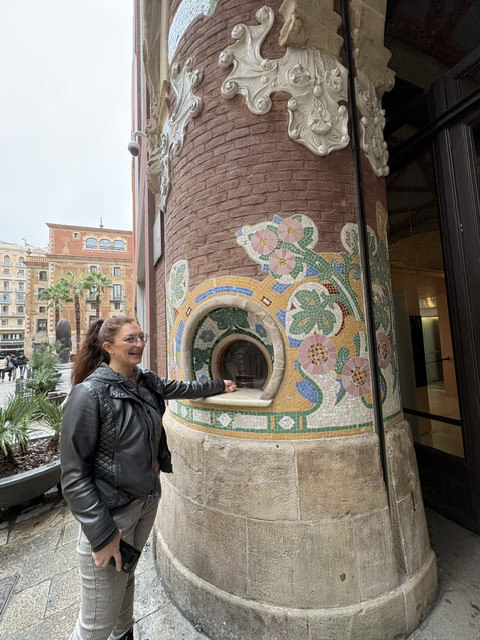
The Original Ticket Windows
Built between 1905 and 1908, the Palau de la Música Catalana was designed by architect Lluís Domènech i Montaner as the home of the Orfeó Català choral society. Its original entrance was formed by two large arches opening directly from the narrow street into the vestibule. Between them stood a substantial brick column containing two […]
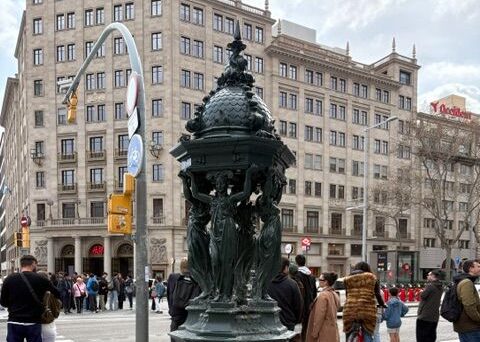
The Wallace Fountain
Among Barcelona’s grand buildings and busy streets, a small drinking fountain carries a story of public service expressed through art. At the intersection of Passeig de Gràcia and Gran Via, four sculpted women support an ornamental dome above a cast-iron pedestal. Its dark green surface and elaborate decoration make an everyday necessity into something worth […]
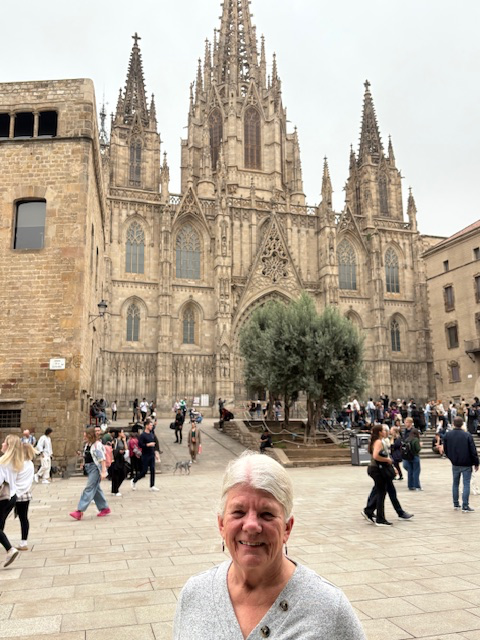
Gothic Cathedral
Standing before the towering walls of Barcelona Cathedral, the structure reminds us of just how ambitious medieval builders dared to be. The construction of the cathedral began in 1298, during Barcelona’s golden age as a Mediterranean trading power. What we walked through today is largely the product of more than 150 years of work. The main Gothic body […]

