Le Monumental Bullring
As we made our way to the airport, our driver pointed out this impressive circular building and explained that it was once Barcelona’s famous bullfighting arena. Although I had not planned to visit it, learning its story offered another glimpse into the changing culture and traditions of Spain.
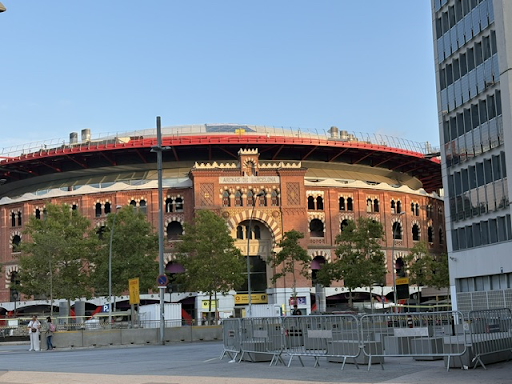
Known as La Monumental, the arena opened in 1914 and quickly became Barcelona’s principal venue for bullfighting. Designed in a striking blend of Neo-Mudéjar and Byzantine architectural styles, its colorful brick façade and decorative details made it one of the city’s most recognizable landmarks. At its height, thousands of spectators filled the arena to watch Spain’s most celebrated matadors.
Over time, however, public attitudes toward bullfighting began to change in Catalonia. Growing concerns about animal welfare, along with a stronger sense of Catalan cultural identity, led to increasing opposition to the sport. In 2010, the Parliament of Catalonia voted to prohibit bullfighting, and the final legal bullfight in Barcelona took place on September 25, 2011. Although Spain’s Constitutional Court later overturned the regional ban on constitutional grounds, bullfighting has not returned to Barcelona because there is no longer sufficient public or political support.
Today, La Monumental remains an important architectural landmark and is used for concerts, sporting events, cultural programs, and other public gatherings. Rather than being demolished, the building has found a new purpose while preserving an important chapter of Barcelona’s history.
La Monumental stands today as a reminder of both Spain’s long association with bullfighting and Barcelona’s willingness to redefine its identity while preserving the architecture that tells its story.
Read More From Nancy
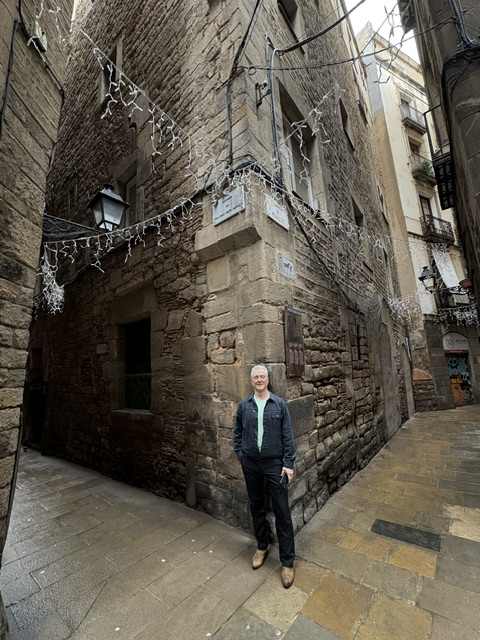
The Ancient Synagogue
While exploring Barcelona, one of the places we specifically wanted to visit was the Ancient Synagogue in the heart of the city’s medieval Jewish Quarter. Tucked away on a narrow stone street in El Call, it is easy to miss if you don’t know it is there. Standing before this modest building, it is difficult […]
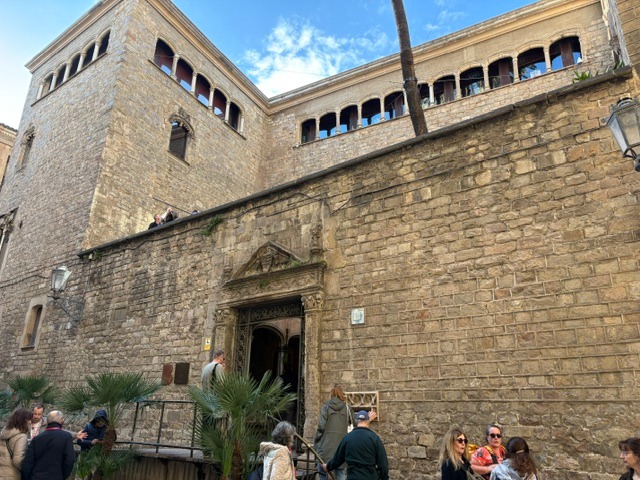
Casa de l’Ardiaca
Beside Barcelona’s cathedral, Casa de l’Ardiaca preserves centuries of changes within a single building. Its name means “Archdeacon’s House,” recalling its long association with a senior member of the cathedral’s clergy. Roman masonry, Gothic architecture, and Renaissance details reflect the successive generations that adapted the property. The residence has origins in the twelfth century and […]
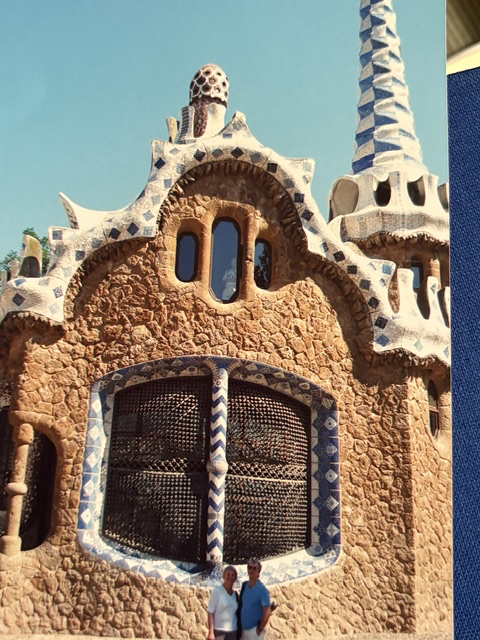
Park Guell
Standing in front of this building was like stepping into another world. The flowing curves, textured stonework, colorful mosaics and dreamlike architecture reveal that this is the work of the visionary architect Antoni Gaudi. Visiting Park Guell is where the line between architecture, sculpture and fantasy blur. Located in the hills overlooking the city of Barcelona, Park Guell was envisioned in […]

