The Burgtor
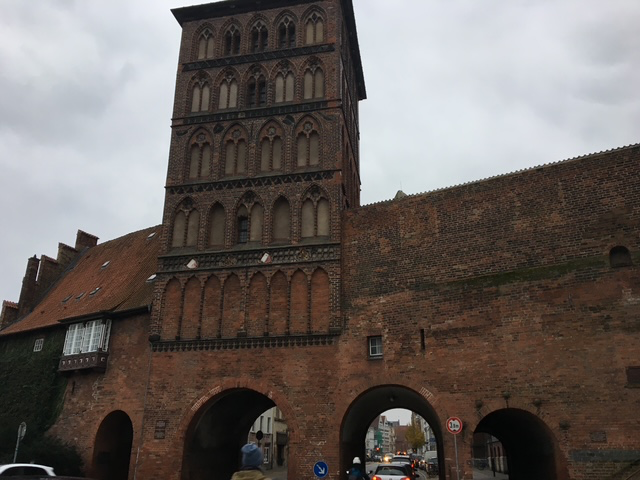
During our visit to Lübeck, we passed through the Burgtor, or Castle Gate, one of the surviving entrances into the city’s historic center. Although it is less widely recognized than Lübeck’s famous Holsten Gate, the Burgtor is the older of the two and has guarded the northern approach to the city for centuries.
Lübeck was founded as a Baltic port in the twelfth century and eventually became the leading city of the Hanseatic League, a powerful network of trading cities that connected northern Europe. Its merchants traded such goods as salt, grain, timber, cloth, fish, and furs across the Baltic and North seas. The prosperity created by this commerce can still be seen in Lübeck’s churches, warehouses, merchants’ homes, and monumental brick buildings.
Because Lübeck’s historic center was surrounded by water and defensive fortifications, travelers and merchandise entered through controlled gateways. The Burgtor guarded the northern land route into the city. It received its name from an earlier castle constructed nearby in the twelfth century. That castle was later replaced by a Dominican monastery, now known as the Castle Monastery.
The present gate was constructed in 1444 in the Brick Gothic style found throughout the cities of the Hanseatic League. Its tall tower and rows of narrow decorative arches projected both strength and civic pride. The gate formed part of a much larger defensive system of walls, towers, waterways, and entrances that protected Lübeck’s wealth and residents.
The Burgtor also witnessed later chapters in European history. French troops entered Lübeck through the gate in 1806 during the Napoleonic Wars. During the nineteenth century, when medieval fortifications were frequently considered obstacles to growing cities, demolition of the gate was discussed. The Burgtor survived, however, while much of Lübeck’s defensive system disappeared.
Of Lübeck’s original principal city gates, only the Burgtor and Holsten Gate remain. The Burgtor continues to serve as an entrance into the Old Town, allowing modern traffic and pedestrians to pass beneath a structure originally created for a medieval trading city.
Passing through the Burgtor brought us into a city whose history was shaped by merchants, ships, and international trade. It was more than an entrance through an old wall. It marked the boundary between modern Lübeck and the island-shaped medieval city that once stood at the center of one of Europe’s most influential commercial networks. Lübeck’s Old Town was designated a UNESCO World Heritage Site in 1987, helping to preserve this remarkable connection to its Hanseatic past.
Read More
Read More From Nancy
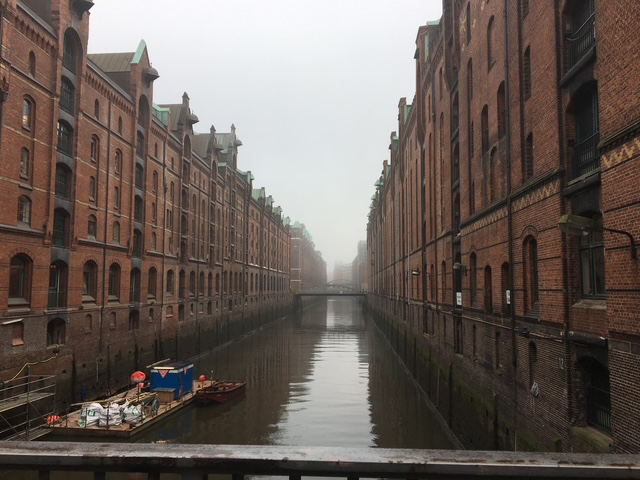
The Speicherstadt
When I first stood on this bridge, my eyes were drawn down the long, quiet canal framed by rows of towering brick buildings. The water was perfectly still, reflecting the warehouses that seemed to stretch endlessly into the distance. Even on a misty day, there was something captivating about the scene. It felt less like […]
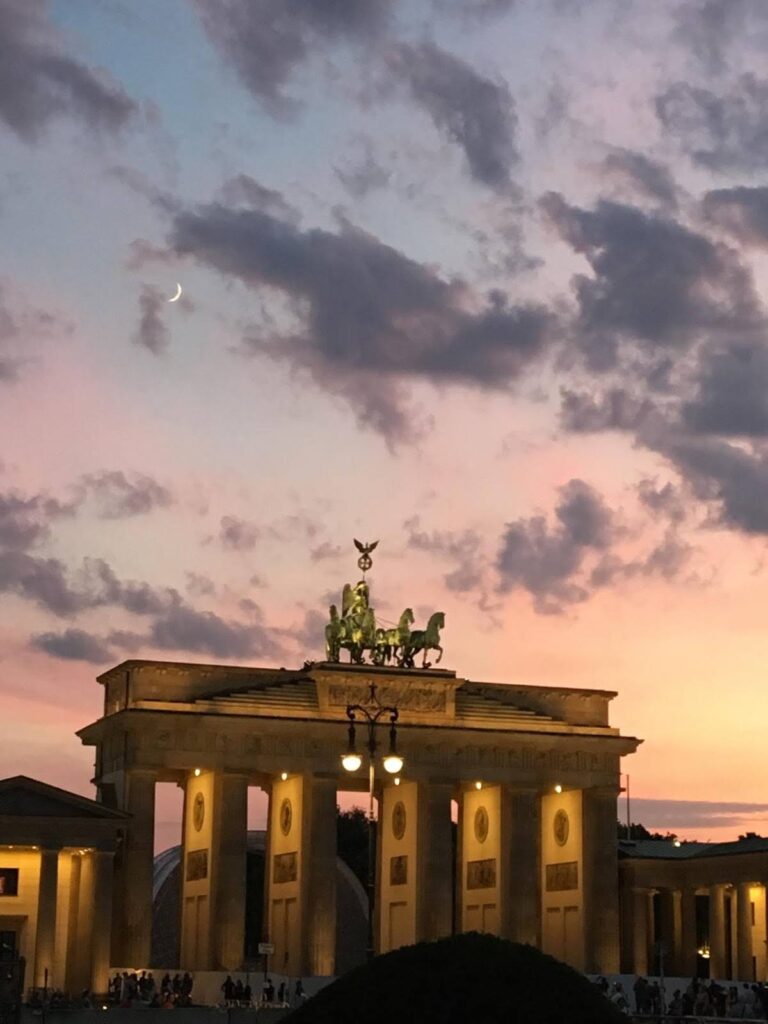
Brandenburg Gate
While visiting Berlin, the Brandenburg gate quickly becomes more than just a landmark, it becomes a focal point of the city’s history. Standing at Pariser Platz, we faced a structure built between 1788 and 1791 under King Frederick William II of Prussia. Designed by architect Carl Gottheard Langhans, the gate was inspired by classical Greek architecture. Its […]
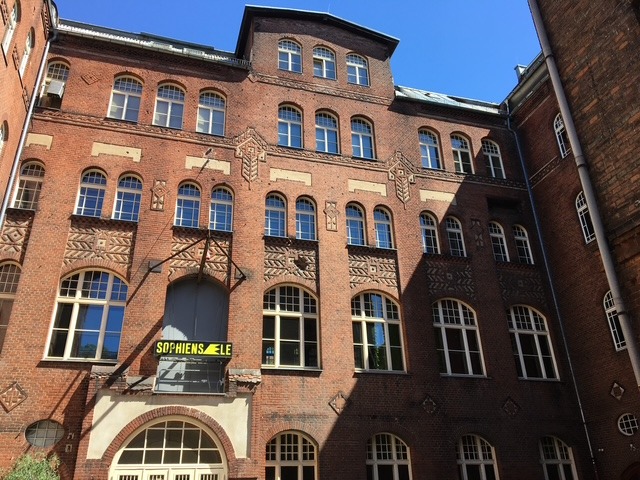
Sophiensæle
Behind the street frontage on Sophienstraße, the brick building now known as Sophiensæle began as a clubhouse for Berlin’s craftsmen’s association. Built in 1904–1905, it provided a setting for workers’ education and collective activity. The clubhouse also became a meeting place for the political left. Rosa Luxemburg, Karl Liebknecht, Clara Zetkin, and Erich Mühsam spoke […]

