Senexet Grange No. 40
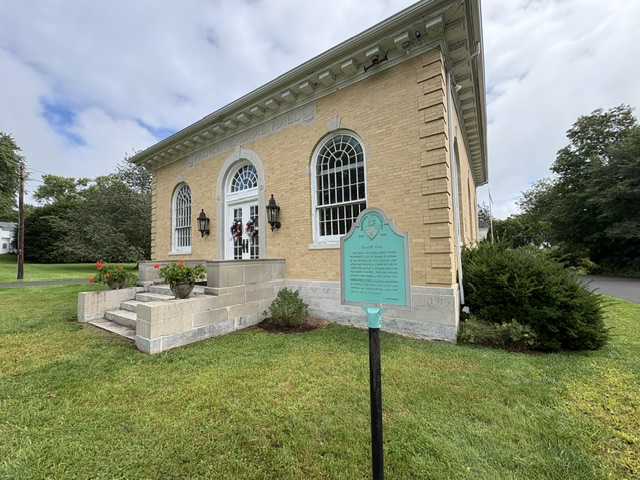
Senexet Grange No. 40 was established as a local chapter of the Order of Patrons of Husbandry, commonly known as the Grange. Founded nationally in 1867, the organization was created to support farmers and their families through education, cooperation, fellowship, and collective action. The letters “P. of H.” displayed on the building identify its connection to this larger agricultural movement.

In farming communities such as Woodstock, the Grange became much more than an agricultural organization. Local halls provided places where neighbors could attend meetings, exchange information, discuss the challenges facing farmers, and work together for the improvement of rural life. They also hosted suppers, lectures, dances, fairs, holiday celebrations, and programs for children and families.
The Grange helped reduce the isolation that could accompany life on widely separated farms. Members shared practical knowledge, supported local agriculture, and created social traditions that strengthened the relationships among rural families. Women were admitted as equal members from the organization’s beginning, giving them an important role in its leadership and community programs at a time when many other organizations offered them limited participation.
The stone hall of Senexet Grange No. 40 represents Woodstock’s long agricultural heritage and the community institutions created to sustain it. Its significance rests not only in the building itself, but also in the generations of residents who gathered there to learn, celebrate, cooperate, and preserve the traditions of rural life.
Read More
Read More From Nancy
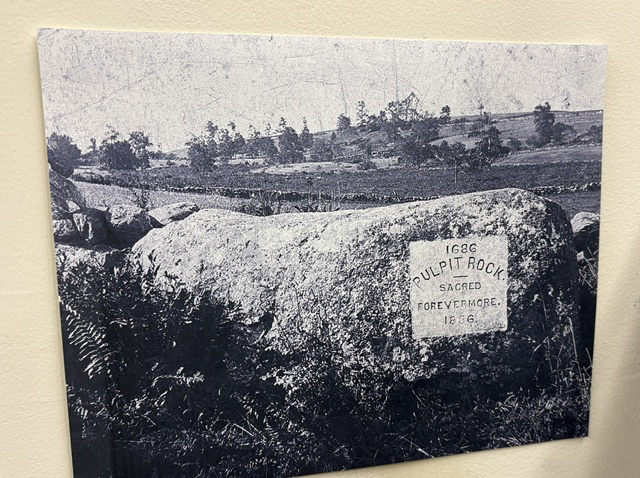
Pulpit Rock
When Woodstock’s first English settlers arrived from Roxbury, Massachusetts, in 1686, they entered a landscape without churches, meetinghouses, or other public buildings. Until a meetinghouse could be constructed, they gathered for Sunday worship around a large glacial boulder that became known as Pulpit Rock. In this open-air sanctuary, the rock served as a natural focal […]
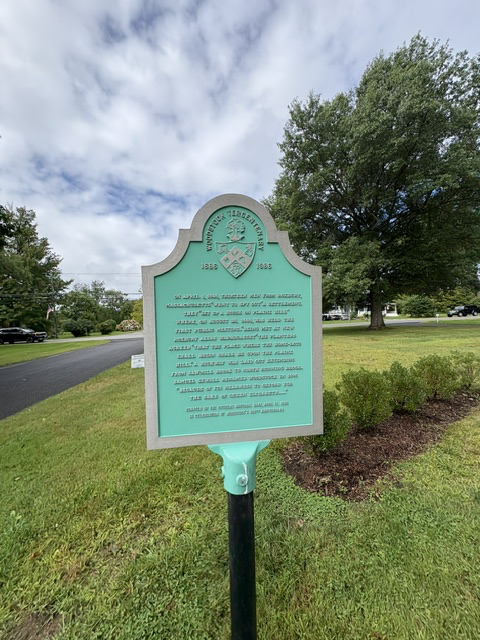
John Eliot and New Roxbury
My interest in Woodstock began with my connection to Natick. Established in 1651, Natick was the first of the Massachusetts “praying towns” associated with John Eliot’s missionary work among the Nipmuc people. Learning about Eliot’s years in Natick made me curious about the other New England communities connected to his travels. That curiosity brought me […]
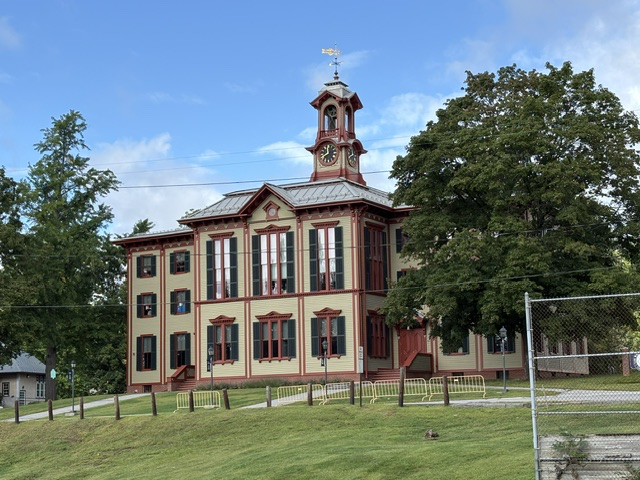
The Woodstock Academy Classroom Building
Standing prominently above Woodstock Green, the historic Woodstock Academy Classroom Building was completed in 1873. It replaced an earlier academy building that had served the school founded by James and John McClellan in 1801 and chartered by the Connecticut legislature the following year. The new building was made possible in large part through the efforts […]

