Rural Free Delivery Mail Wagon
A small horse-drawn wagon marked “U.S. Mail” and “Quarryville R.F.D. 5” recalls a time when delivering a letter to a farm could require the last miles of a long journey over country roads. The marking identifies a rural mail route associated with Quarryville, Pennsylvania. Its enclosed cab offered the carrier a place to work while traveling from one mailbox to the next.
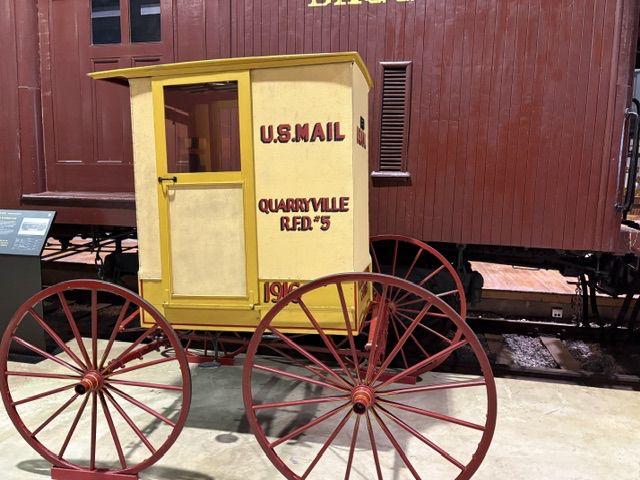
For much of the nineteenth century, people living outside towns generally had to collect their mail from a post office. Rural Free Delivery, or R.F.D., began as an experiment in 1896 and brought mail directly to rural households. That change made letters, newspapers, and other correspondence more accessible to families whose homes were far from the center of town. Early carriers commonly supplied their own horses and wagons.
The wagon also helps explain why a mail vehicle belongs in a railroad museum. Trains carried mail between communities, and railway postal clerks could sort it while the train was moving. At a local post office, mail was prepared for the next stage of its journey. A rural carrier then traveled the assigned route, delivering it to homes beyond the reach of the tracks. The railroad and the wagon served different parts of the same network.
Horse-drawn delivery gradually gave way to motor vehicles as roads improved. By 1929, the Post Office Department reported that rural carriers had made an almost complete shift from horses and wagons to cars. The Quarryville wagon preserves the earlier chapter: the daily work of a carrier who took the mail beyond the station and post office to the people waiting for it along a country route. The markings tell us its place and route number, though they do not establish the wagon’s exact year of manufacture or the dates it served.
Read More From Nancy
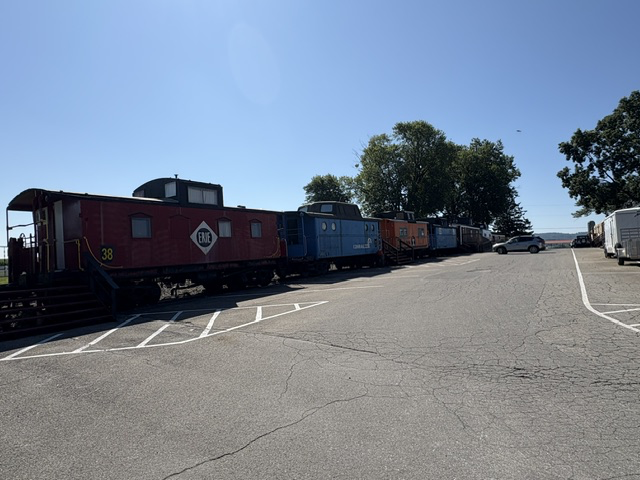
The Red Caboose Motel
A row of cabooses stood beside the tracks; each painted for a different railroad. At first, it looked like a collection of cars waiting to be moved. Then we noticed the steps, the doors, and the air conditioner fitted into the yellow “Ma and Pa” caboose. People could spend the night here. A car once […]
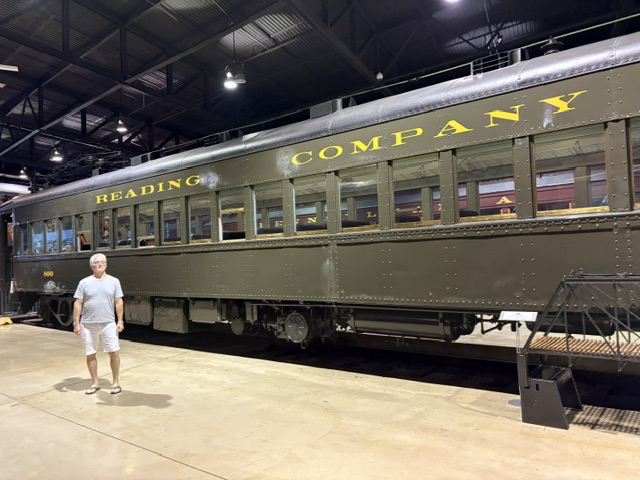
Reading Company No. 800 — Railroad Museum of Pennsylvania
At the Railroad Museum of Pennsylvania, we stepped inside Reading Company No. 800 and found ourselves in a car built for an ordinary part of life: the daily commute. Rows of dark seats faced large windows, with overhead racks ready for the belongings passengers would bring aboard. Marty sat down for a moment, making it […]
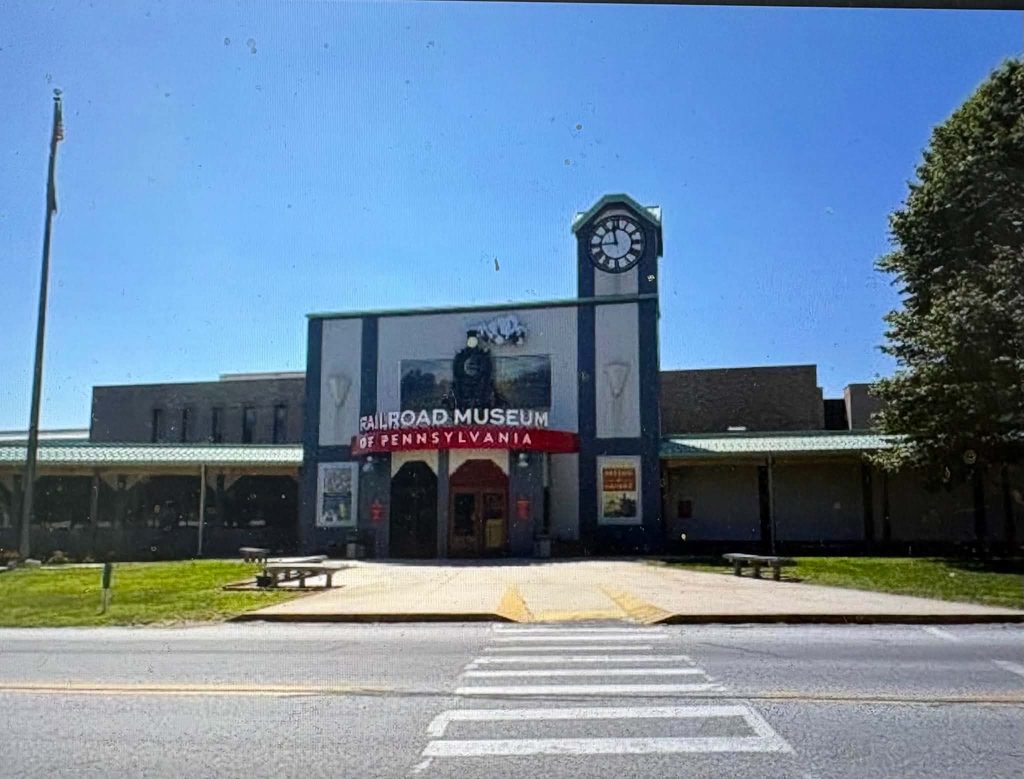
Railroad Museum of Pennsylvania
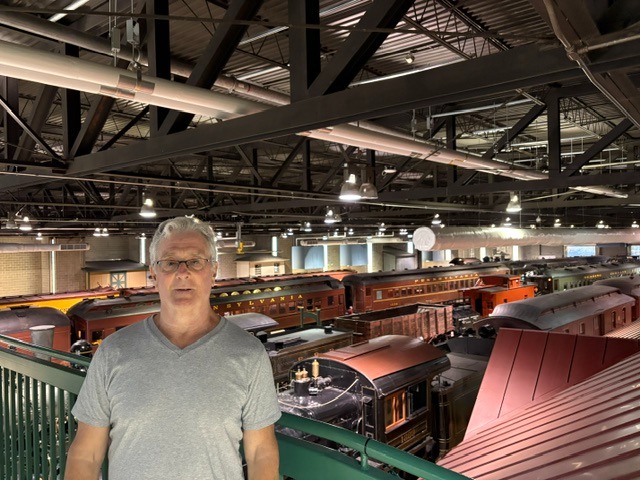
Last summer, Marty and I traveled through Lancaster County in our RV. One of our stops was the Railroad Museum of Pennsylvania in Strasburg, where an extensive collection of locomotives and railroad cars preserves the important role railroads played in the development of Pennsylvania and the nation. During the nineteenth and early twentieth centuries, rail […]

