Prince William Forest Park
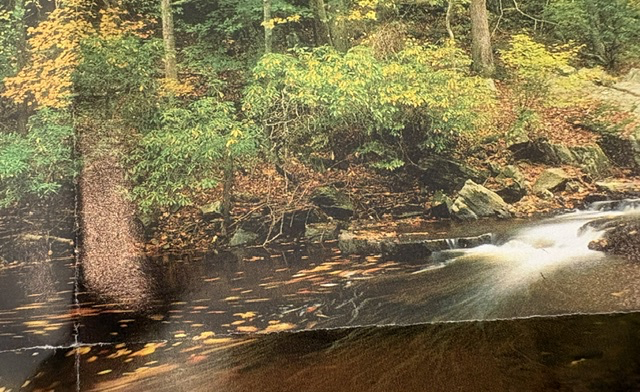
Prince William Forest Park preserves nearly 15,000 acres of woodland approximately thirty-five miles south of Washington, D.C. It is the largest protected green space in the Washington metropolitan region and contains the largest example of Piedmont Forest managed by the National Park Service. Beneath its canopy, Quantico Creek and its tributaries flow through a landscape that has provided generations of visitors with a refuge from the surrounding cities.
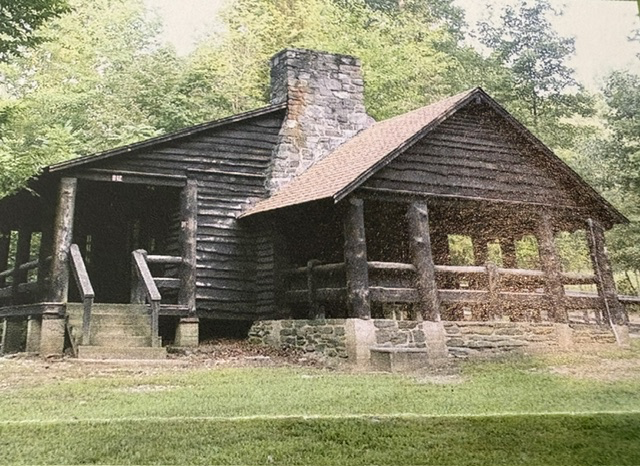
The park’s rustic buildings reveal that recreation for children was central to its original purpose. Created during the Great Depression as the Chopawamsic Recreational Demonstration Area, it opened in 1936 as part of President Franklin D. Roosevelt’s New Deal. Civilian Conservation Corps and Works Progress Administration laborers constructed five cabin camps from native wood and stone. Social-service organizations used these facilities as summer “relief camps”, giving children from Washington and nearby cities opportunities to spend time outdoors.
Like much of American society at the time, the camps were segregated. Camps 1 and 4 served African American children and families, while the other camps were used by white organizations. Among the groups that came here were the Twelfth Street YMCA, family-service organizations, Girl Scouts, and other agencies working with children who might otherwise have had little access to the countryside. The cabins, dining halls, craft lodges, and gathering places were designed to provide both recreation and a sense of community.
The character of the park changed during World War II. Its isolation, proximity to Washington, and existing camp facilities made it a useful training ground for the Office of Strategic Services, the wartime predecessor of the Central Intelligence Agency. Beginning in 1942, men trained here for dangerous work as intelligence agents, radio operators, and members of special-operations teams. After the war, the property returned to recreational use and was renamed Prince William Forest Park in 1948.
What appears at first to be an undisturbed natural retreat is also a landscape shaped by New Deal conservation, children’s recreation, racial segregation, and secret wartime training. The surviving cabins are reminders that Prince William Forest Park was created not simply to protect trees and streams, but also to give city children a place to experience the outdoors.

Read More From Nancy
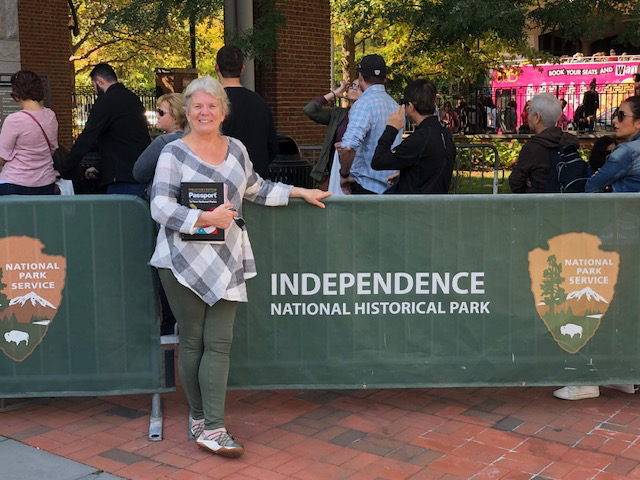
Independence National Historical Park
In the heart of Philadelphia lies the Independence National Historical Park, a place where the foundations of the United States were not just imagined but put into action. This is not a single site, but a collection of buildings and spaces that together tell the story of a nation’s beginning. At its center stands Independence […]
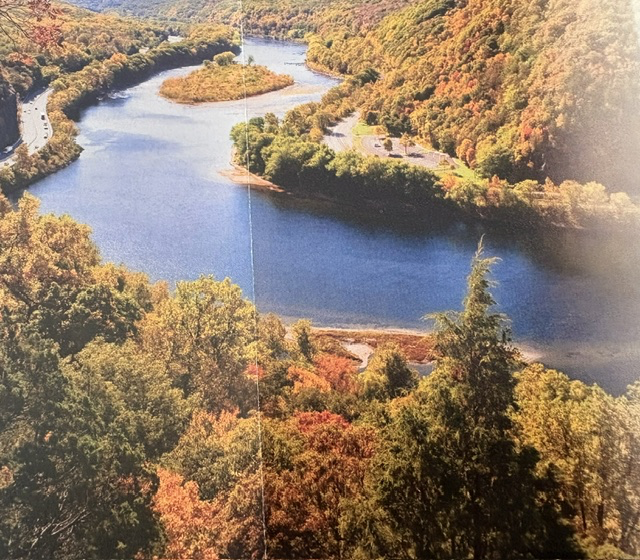
Delaware Water Gap National Recreation Area
Delaware Water Gap National Recreation Area protects approximately 40 miles of the Middle Delaware River and nearly 70,000 acres along its Pennsylvania and New Jersey shores. Forested mountains rise above the river as it passes between ridges, creating the dramatic opening known as the Delaware Water Gap. Waterfalls, ravines, wooded trails, and historic communities are […]
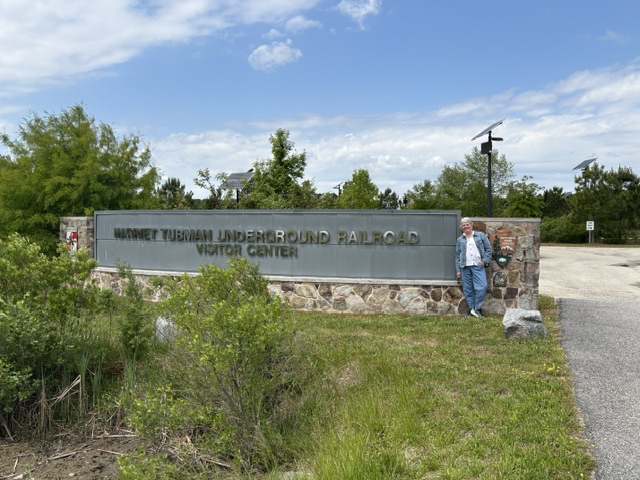
Harriet Tubman Underground Railroad National Historical Park
The drive to Maryland’s Eastern Shore during a trip to Washington, DC became far more meaningful when we made a side journey to Harriet Tubman Underground Railroad Visitor Center. Some historic sites teach you facts, while others leave you standing quietly, reflecting on the courage and strength of the people connected to that place. This was […]

