Cedar Creek and Belle Grove National Historical Park
Some places become historic because of a single event. Others become important because of where they are. Cedar Creek and Belle Grove National Historical Park in Virginia tells both stories. It preserves the site of one of the final major battles of the Civil War while also protecting one of the Shenandoah Valley’s finest historic estates, reminding visitors why this fertile valley was so important to both sides during the conflict.
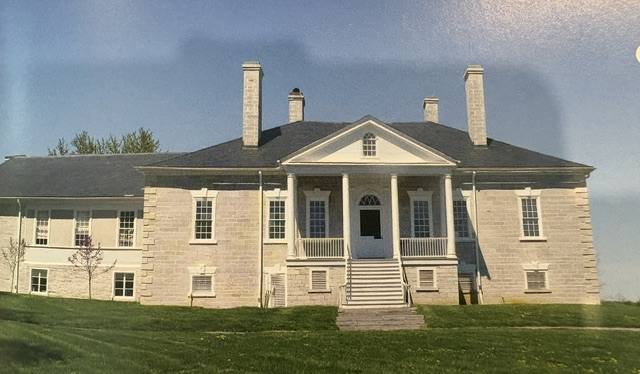
The park was established on December 19, 2002, to preserve the battlefield of Cedar Creek and the surrounding cultural landscape. Together, the battlefield, Belle Grove Plantation, historic farms, and portions of the Shenandoah Valley provide a window into both nineteenth-century rural life and one of the Civil War’s decisive campaigns.
The Battle of Cedar Creek was fought on October 19, 1864. Before dawn, Confederate General Jubal Early launched a surprise attack against Union forces commanded by General Philip Sheridan. The assault initially overwhelmed the Union army, driving it backward and threatening to reverse months of Union success in the Shenandoah Valley.
The course of the battle changed dramatically later that morning. After returning from Winchester, nearly twenty miles away, Sheridan rallied his retreating troops and organized a determined counterattack. By late afternoon, the Confederates had been driven from the field, securing a decisive Union victory. The battle effectively ended Confederate military power in the Shenandoah Valley, ensuring that the region would no longer serve as a source of food and supplies for General Robert E. Lee’s Army of Northern Virginia.
Sheridan’s ride from Winchester quickly became one of the most celebrated stories of the Civil War. Newspapers, paintings, and poems transformed it into a symbol of leadership under pressure, and “Sheridan’s Ride” became one of the best-known poems of the nineteenth century. Visiting the battlefield helps separate the legend from the history while reminding us how a single day could influence the course of a campaign.
Standing nearby is Belle Grove Plantation, completed in 1797 by Major Isaac Hite Jr. and his wife, Nelly Madison Hite, the sister of President James Madison. The elegant limestone manor reflects the prosperity of the Shenandoah Valley before the Civil War. During the battle, the house and surrounding grounds became part of the fighting, serving at different times as headquarters and as a hospital for wounded soldiers. The contrast between the beauty of the home and the violence that unfolded around it illustrates how war often reaches into places where ordinary life once flourished.
Visiting Cedar Creek and Belle Grove reminded me that history is rarely confined to a single building or battlefield. Here, the landscape itself tells the story. The plantation speaks of prosperity and daily life before the war, while the surrounding fields reveal how quickly conflict can transform a peaceful community. Together they preserve not only an important military victory but also a deeper understanding of why the Shenandoah Valley became one of the Civil War’s most contested regions.


Read More From Nancy

Assateague Island National Seashore
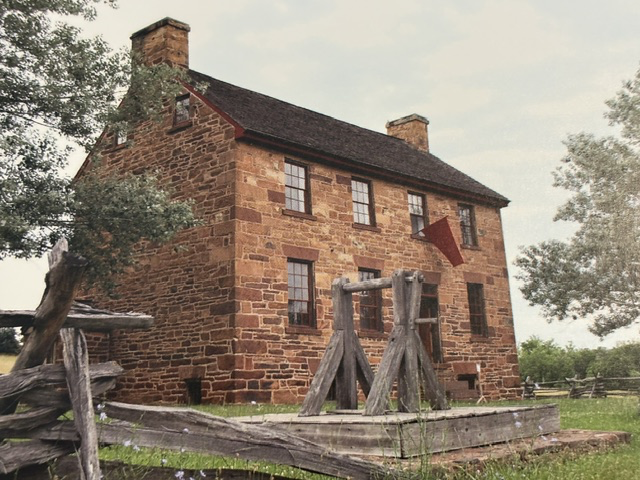
On a road trip to meet our daughters for a family vacation, we stopped at Assateague Island National Seashore. One of the unforgettable experiences there was seeing the famous wild horses wandering freely through the landscape. In this photo, one of the horses calmly stood along the boardwalk. Encounters like this are part of what makes Assateague such […]
Prince William Forest Park
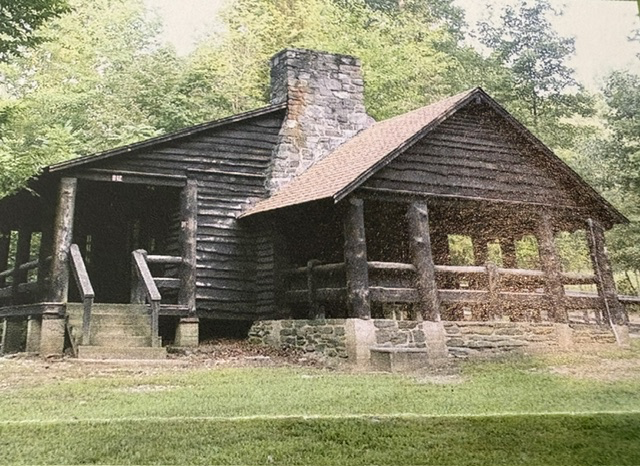
Prince William Forest Park preserves nearly 15,000 acres of woodland approximately thirty-five miles south of Washington, D.C. It is the largest protected green space in the Washington metropolitan region and contains the largest example of Piedmont Forest managed by the National Park Service. Beneath its canopy, Quantico Creek and its tributaries flow through a landscape […]
Morristown National Historical Park
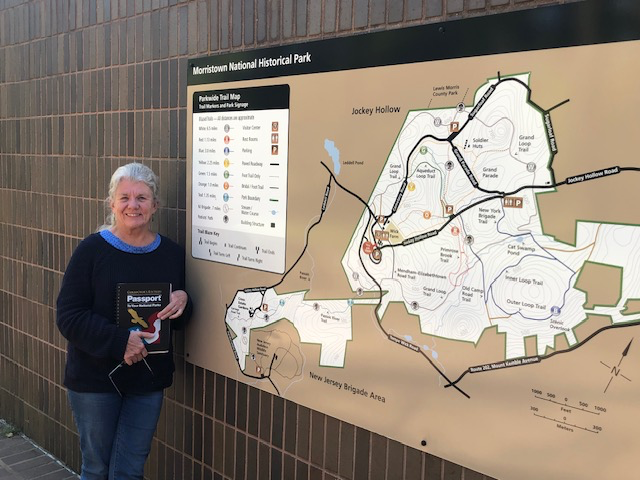
The Morristown National Historical Park is a Revolutionary War landscape, not a single battle but a place of endurance and survival. Located in Morristown, New Jersey, the park preserves land and structures tied to three winter encampments of the Continental Army between 1777 and 1780. Most famously, it includes Jockey Hollow, where thousands of soldiers endured the brutal […]

