Maggie L. Walker National Historic Site
Maggie L. Walker National Historic Site is one of those places I might never have visited or even learned about. If it had not been preserved by the National Park Service. Traveling to Richmond, Virginia, with a friend, I stepped into the world of a remarkable woman whose vision and determination helped transform the lives of countless African Americans in the decades following the Civil War.
Born in 1864, Maggie Lena Walker devoted her life to advancing civil rights, education, and economic opportunity. She became a leader in the Independent Order of St. Luke, a fraternal organization dedicated to helping the Black community. In 1903, she made history by becoming the first African American woman in the United States to charter and serve as president of a bank, the St. Luke Penny Savings Bank. Her achievements demonstrated the power of self-reliance and community investment during a time of segregation and limited opportunities.
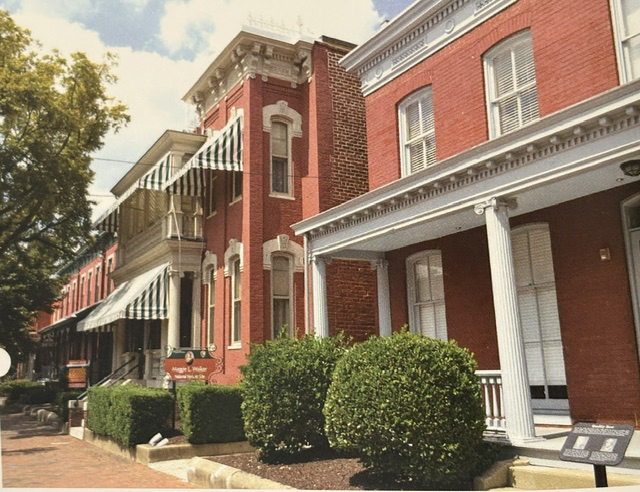
The home preserved here in Richmond’s historic Jackson Ward neighborhood was occupied by Walker and her family for more than thirty years. Remarkably, many of the furnishings and personal possessions remain, allowing visitors to experience the environment in which she lived, worked, and entertained. The surrounding neighborhood, once known as the “Black Wall Street of America,” was a center of African American business, culture, and civic life. During my visit, I was also reminded of another pioneering woman of the era, Madam C. J. Walker, whose successful line of hair care and cosmetic products created opportunities for thousands of Black women and helped foster economic independence within the African American community. Though not related, the two women shared a commitment to empowerment and entrepreneurship that transformed countless lives.
Established as a National Historic Site in 1978 by President Jimmy Carter, the park preserves not only Maggie Walker’s home but also the legacy of a woman whose influence extended far beyond Richmond. Standing on these quiet streets, I was reminded that history is often shaped by individuals whose stories are not always taught in school. Thanks to the National Park Service, the life of Maggie Lena Walker continues to inspire visitors and serves as a testament to the enduring power of vision, courage, and determination.
As I have found so often in my travels, some of the most rewarding discoveries come from places I never would have sought out on my own. Visiting this site introduced me not only to Maggie Lena Walker, but also to a broader story of African American achievement, enterprise, and perseverance that deserves to be better known and remembered.