Fort William Henry
One of the highlights of our visit to Colonial Pemaquid in New Harbor, Maine, was exploring Fort William Henry. Looking across the harbor today, it is difficult to imagine that this peaceful stretch of coastline was once one of the most fiercely contested places in North America. Yet for much of the seventeenth century, this small peninsula stood at the center of a struggle that would help shape the future of New England.
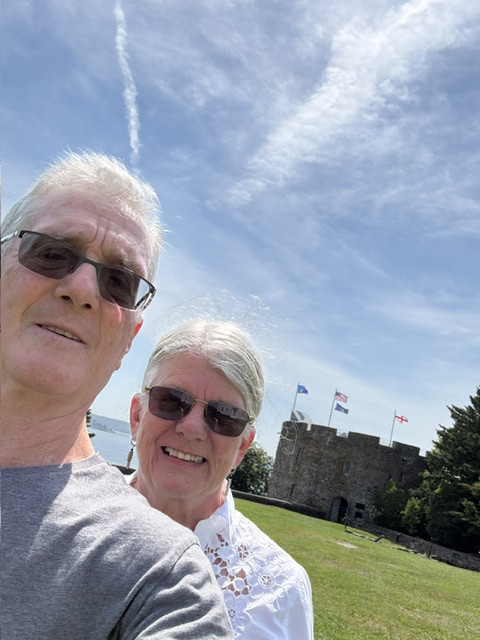
What surprised me most was learning that Pemaquid was far more than a remote frontier settlement. During its early years, it was one of the busiest commercial ports in northern New England. Fishing fleets worked the rich waters of the Gulf of Maine, merchants traded with England and the West Indies, and ships carried lumber, furs, fish, and other goods to markets throughout the Atlantic world. Protecting Pemaquid meant protecting an important center of commerce.
At the same time, this was also a frontier. England claimed the region as part of New England. France considered it part of Acadia. The Wabanaki people had lived here for generations and defended their homeland against both European powers. Standing at Pemaquid, I realized this was not simply a conflict between England and France. It was a place where three very different cultures met, traded, negotiated, and, at times, fought for control of the same land.
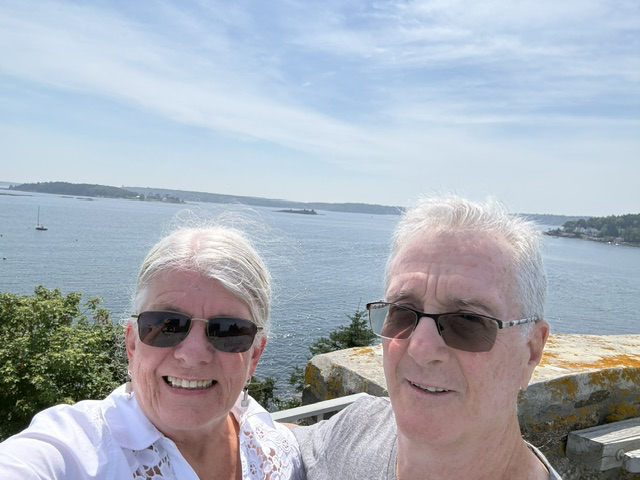
To strengthen England’s position, the Massachusetts Bay Colony built Fort William Henry in 1692. Designed by military engineer Wolfgang William Römer, it was one of the strongest stone fortifications in North America. Unlike the earlier wooden forts that had stood here, its thick granite walls were designed to withstand artillery fire and to demonstrate England’s determination to hold this important harbor.
Even such a formidable fort could not withstand the changing tides of history. In 1696, during King William’s War, a combined force of French soldiers led by Pierre Le Moyne d’Iberville and their Wabanaki allies laid siege to the fort. After several days of bombardment, the English commander surrendered. The victorious forces destroyed much of the fort before leaving the settlement once again in ruins.
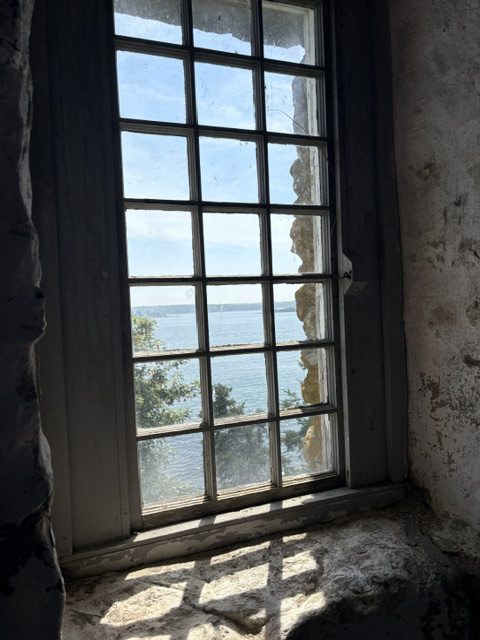
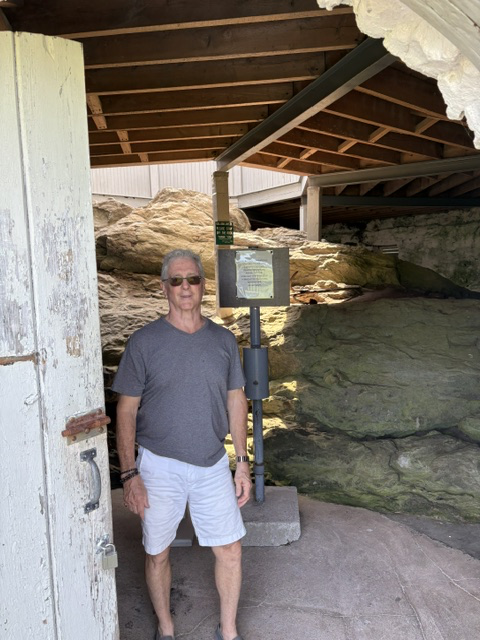
Walking through the reconstructed fort today, I was especially fascinated by the archaeological remains preserved beneath the protective structure. Visitors can still see portions of the original granite foundations resting on the natural ledge that supported the fort more than three hundred years ago. Throughout Colonial Pemaquid, archaeologists continue to uncover foundations, artifacts, tools, pottery, and everyday objects that reveal how people lived here long before the United States existed.
Fort William Henry is more than the remains of a military outpost. It tells the story of commerce, conflict, exploration, archaeology, and the meeting of cultures that helped shape the history of Maine and the future of North America. Standing on those granite walls overlooking the Atlantic, it was easy to understand why this small harbor was once considered so important and why its story continues to be worth preserving today.
Read More From Nancy
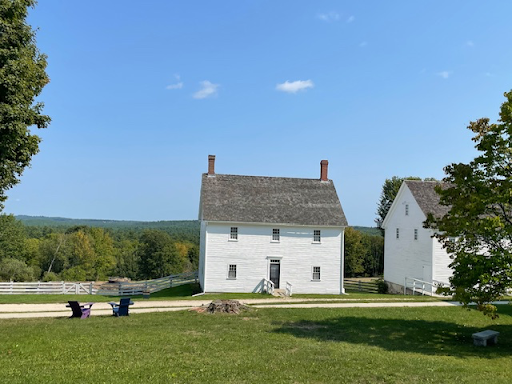
Sabbathday Lake Shaker Village
By far one of my favorite places to visit in Maine is the Sabbathday Lake Shaker Village. Over the years, I have visited many places associated with the Shakers, but this community is unlike any other. It is home to the last active Shaker community in the world. Today, only three Shakers continue the religious […]
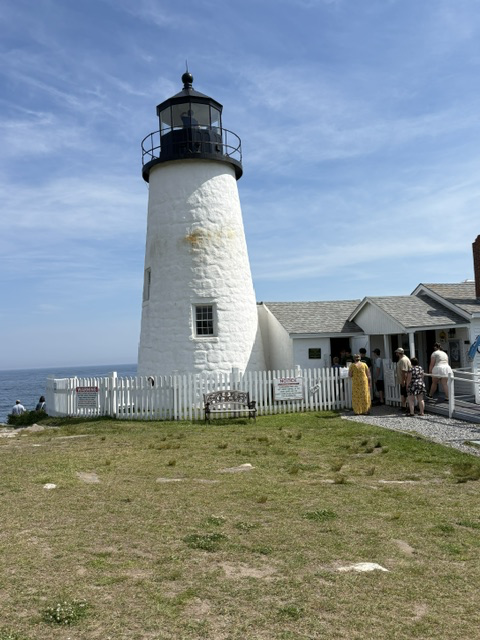
Pemaquid Point Lighthouse
One of the pleasures of traveling is discovering places you never expected to visit. Pemaquid Point Lighthouse was one of those discoveries. As we made our way home from the Canadian Maritime Provinces, we learned about this historic lighthouse on the coast of Maine and decided to make a short detour. It turned out to […]
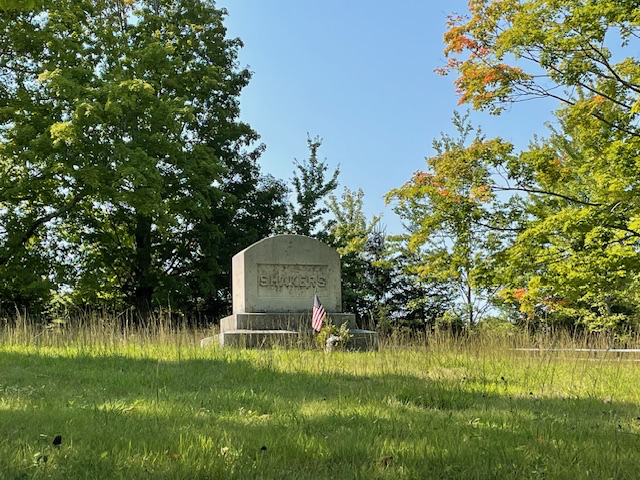
The Shaker Cemetery
I had already explored the history of Sabbathday Lake Shaker Village, but its cemetery offered another way to understand the people who live there. Unlike burial grounds filled with elaborate monuments celebrating individual wealth, military service, or family ancestry, the Shaker Cemetery reflects the community’s beliefs in simplicity, humility, equality, and collective life. The Shakers […]

