New Orleans Jazz National Historical Park
Most national parks preserve a landscape, battlefield or historic building. New Orleans Jazz National Historical Park preserves something less tangible but equally important: the story and continuing sound of jazz.

Jazz emerged in New Orleans as African American musical traditions blended with blues, ragtime, spirituals, brass-band music and influences brought to the city by its Caribbean and European communities. It was heard at neighborhood dances, picnics, funerals, parades and gatherings of social-aid societies. Improvisation allowed musicians to reshape familiar melodies and make every performance their own.
Louis Armstrong was among the musicians who carried the sound of New Orleans to the world. In 1926, Armstrong and his Hot Five recorded “Heebie Jeebies” for Okeh Records. Although he did not invent scat singing, his playful use of improvised syllables helped popularize it and demonstrated how the human voice could become another jazz instrument.
Congress established New Orleans Jazz National Historical Park in1994, through legislation signed by President Bill Clinton. Rather than freezing jazz in the past, the park presents performances, demonstrations and educational programs that allow visitors to hear the music as a living tradition. Our visit helped us understand that jazz is more than a musical style. It is the expression of the communities, experiences and cultural exchanges that shaped New Orleans and ultimately gave America one of its most influential art forms.
Read More From Nancy
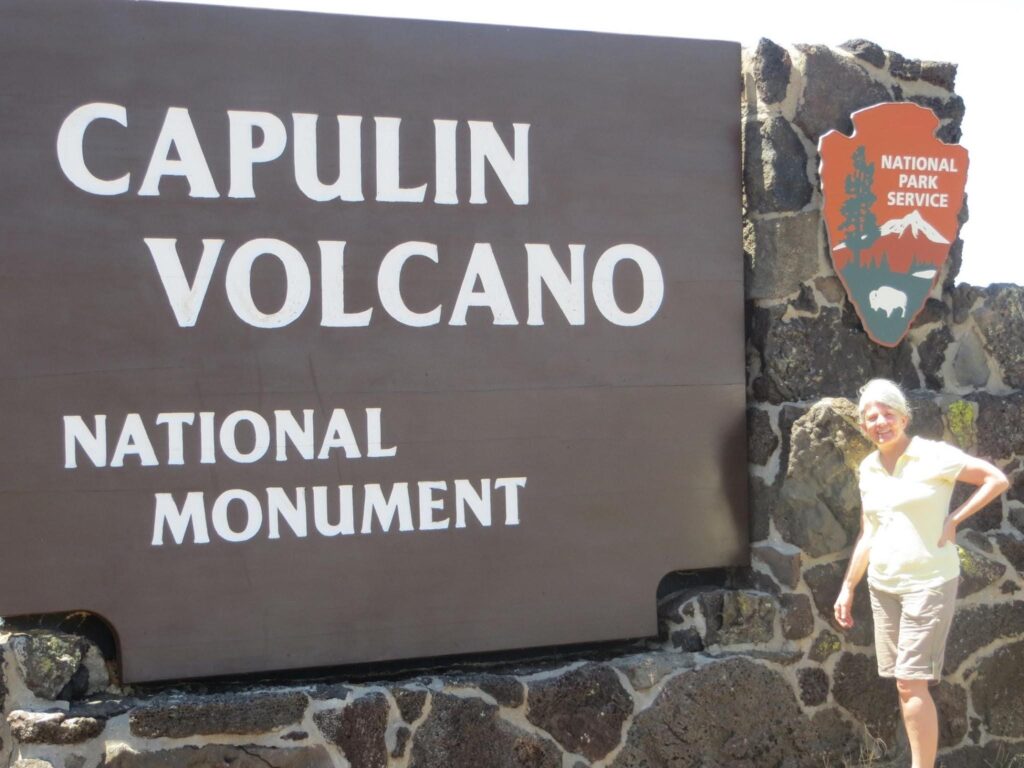
Capulin Volcano National Monument
I remember this special road trip with Erin as we explored the panhandle of Texas and drove into New Mexico. It was during on of her breaks from chiropractic school, and we flew into Texas and set out on a long stretch of road that carried us through a landscape shaped by drought. The land […]
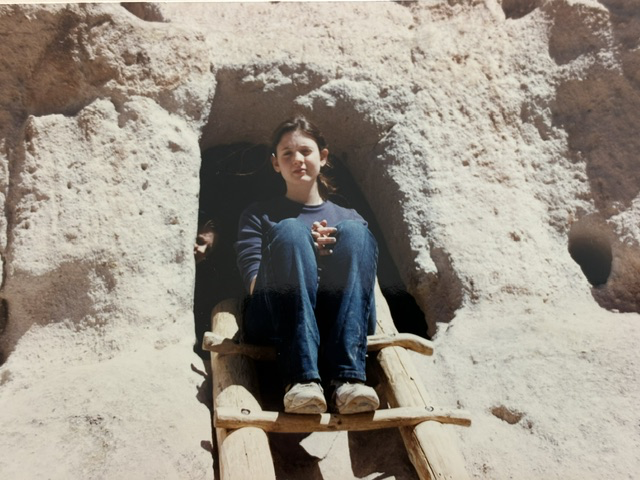
Bandelier National Monument
Here at Bandelier National Monument, we walked through canyons, climbed ladders into ancient cliff dwellings and stood inside spaces once occupied by the ancestral Pueblo people. Here history felt immediate and alive. The soft volcanic rock of Bandelier allowed homes, called cavate, to be carved directly into the canyon walls. Climbing those wooden ladders as a family became part […]
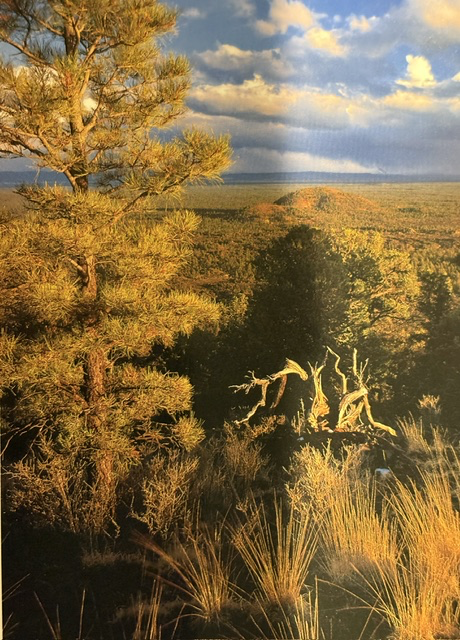
El Malpais National Monument
One of the striking landscapes we encountered at El Malpais National Monument in western New Mexico was the view of the volcanic cinder cones rising above a sea of lava flows, grasslands, and forests. Created by eruptions thousands of years ago, these cones are part of a vast volcanic field that has shaped the region’s […]

