Arkansas Post National Memorial
Some places quietly witnessed the turning points of history long before they became part of the United States. Arkansas Post is one of those places. Arkansas Post National Memorial was established on July 6, 1960, to preserve the site of the first permanent European settlement in the lower Mississippi Valley west of the river and to commemorate its importance in the exploration, settlement, and early history of the American frontier.
The story began in 1686 when French explorer Henri de Tonti established a small trading post near the mouth of the Arkansas River. More than a settlement, it was France’s first foothold in a region that would become the center of a centuries-long struggle for control of North America’s interior. From this strategic location, French traders exchanged goods with the Quapaw people while extending France’s influence deep into the Mississippi Valley.
Because it stood at the junction of important waterways, Arkansas Post soon became much more than a trading outpost. It served at various times as a military fort, a commercial center, and the first capital of the Arkansas Territory. Over the years, control of the settlement shifted from France to Spain, back to France, and finally to the United States as the political map of North America changed through diplomacy, war, and international treaties.
The Louisiana Purchase of 1803 transformed Arkansas Post once again. Overnight, the settlement became part of the expanding United States, opening a new chapter in the nation’s westward growth. As settlers, merchants, soldiers, and river travelers passed through, the post developed into one of the most important communities in the region, serving as a thriving river port and the territorial capital until that role moved to Little Rock.
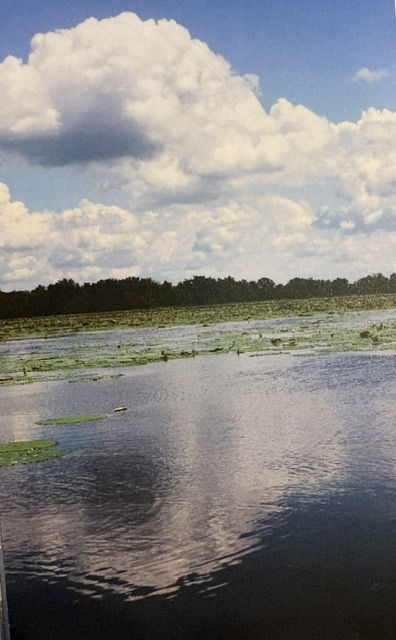
The landscape itself tells an equally compelling story. The broad waters, wetlands, and quiet backwaters surrounding Arkansas Post once formed a natural highway that connected cultures, commerce, and nations. These waterways carried Native American traders, French explorers, Spanish officials, American soldiers, and pioneers, all drawn to the strategic importance of this remarkable location.
During the Civil War, Arkansas Post again found itself at the center of national events. In January 1863, Union forces captured nearby Fort Hindman, ending Confederate control of this important stretch of the Arkansas River. Although the military importance of Arkansas Post gradually declined afterward, its historical significance only grew.
The wetlands now provide habitat for wildlife and a quiet place for visitors to reflect, yet they once echoed with the sounds of trading canoes, military expeditions, riverboats, and the ambitions of competing empires.
Read More From Nancy
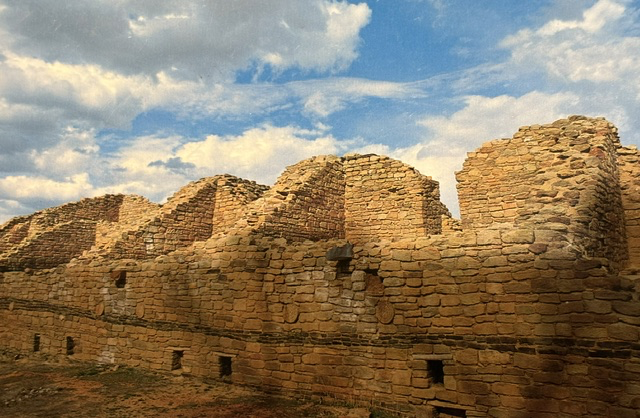
Aztec National Monument
The massive stone walls of Aztec Ruins National Monument preserve the remains of an ancestral Puebloan community in northwestern New Mexico. Rising from the desert landscape near the Aztec area, the ruins create a sense of age and accomplishment. The carefully constructed stone masonry and multi-room structures reveal the sophistication of the people who built and lived […]
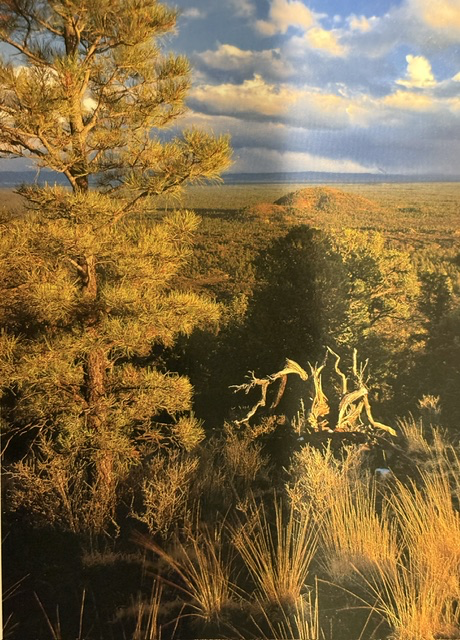
El Malpais National Monument
One of the striking landscapes we encountered at El Malpais National Monument in western New Mexico was the view of the volcanic cinder cones rising above a sea of lava flows, grasslands, and forests. Created by eruptions thousands of years ago, these cones are part of a vast volcanic field that has shaped the region’s […]

New Orleans Jazz National Historical Park
Most national parks preserve a landscape, battlefield or historic building. New Orleans Jazz National Historical Park preserves something less tangible but equally important: the story and continuing sound of jazz. Jazz emerged in New Orleans as African American musical traditions blended with blues, ragtime, spirituals, brass-band music and influences brought to the city by its […]

