Big Thicket National Preserve
Big Thicket appears to be a single forest stretching across southeast Texas. However, it is something far more remarkable. This is a place where forests, prairies, wetlands, bayous, and bogs exist side by side, creating one of the most biologically diverse landscapes in North America.
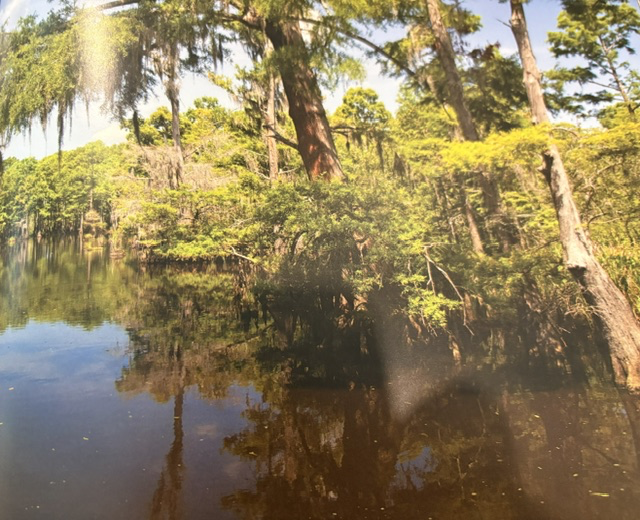
Established in 1974 as the nation’s first National Preserve, Big Thicket protects more than 97,000 acres spread across nine separate land units and six water corridors. Unlike many parks that preserve one dominant ecosystem, Big Thicket was created because of the extraordinary variety found within its boundaries.
Scientists believe this diversity began at the end of the last Ice Age. As glaciers retreated and climates shifted, plant and animal communities from different regions gradually overlapped in southeast Texas. Eastern hardwood forests, western grasslands, Gulf Coast wetlands, and southern pine forests all found suitable conditions here. Rather than replacing one another, they continued to exist together, creating a landscape unlike any other in the United States.
That diversity is reflected in the remarkable number of species that call the preserve home. More than 1,300 species of plants have been identified here, along with hundreds of species of birds, mammals, reptiles, amphibians, fish, and insects. Because of this richness, Big Thicket has often been called “America’s Ark”.
Big Thicket also represents an important milestone in the history of the National Park Service. When Congress established the preserve, it recognized that America’s natural heritage includes more than spectacular mountains and canyons. Some landscapes deserve protection because of the extraordinary diversity of life they support. Big Thicket became the first national preserve, reflecting a broader commitment to conserving entire ecosystems rather than a single scenic feature.
Read More From Nancy
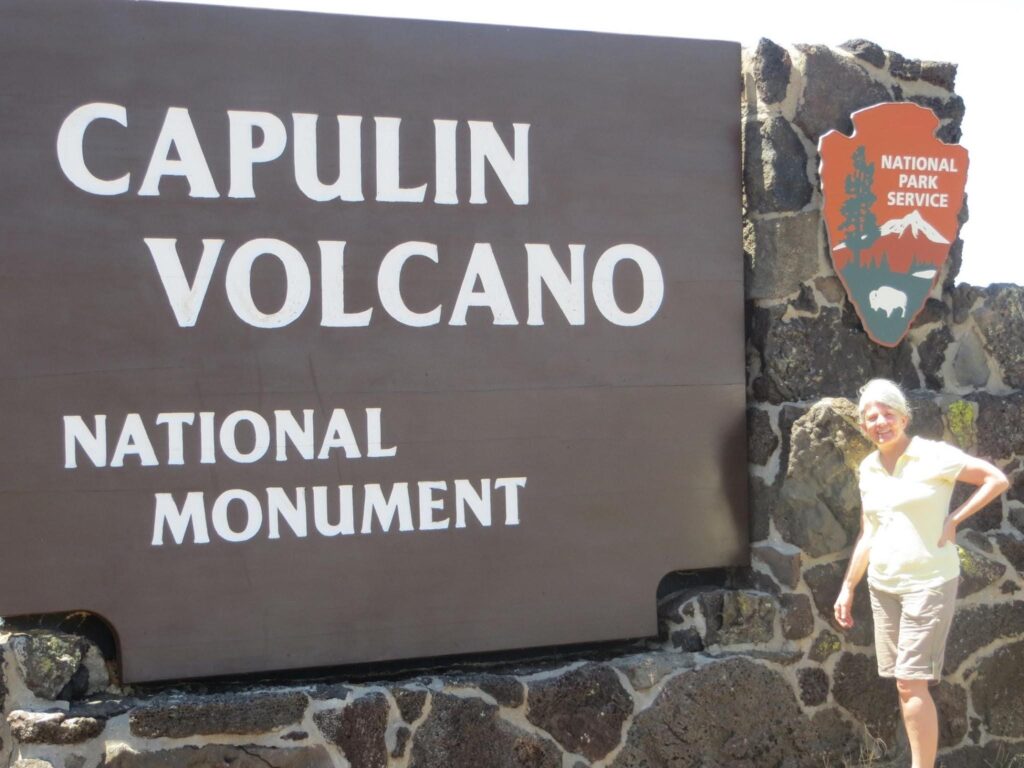
Capulin Volcano National Monument
I remember this special road trip with Erin as we explored the panhandle of Texas and drove into New Mexico. It was during on of her breaks from chiropractic school, and we flew into Texas and set out on a long stretch of road that carried us through a landscape shaped by drought. The land […]
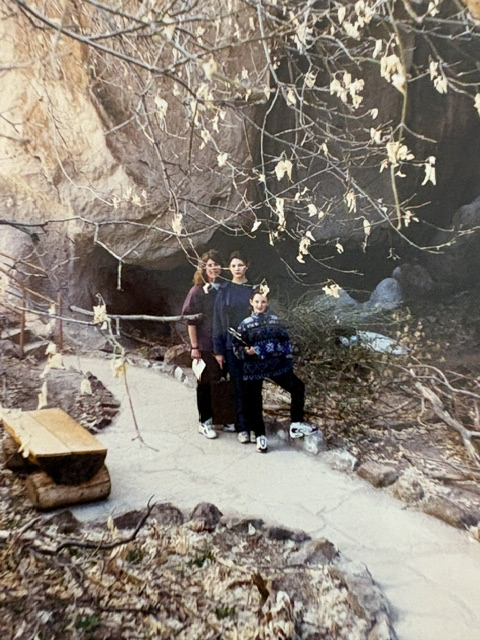
Carlsbad Caverns National Park
The drive to Carlsbad Caverns National Park seemed long, but somehow that drive became part of the experience itself. We have visited twice, and both times there was something unforgettable about traveling through the wide-open spaces of southeastern New Mexico before finally arriving at the caverns hidden beneath the desert landscape. The miles of dry terrain, distant mountains, and endless sky created a […]
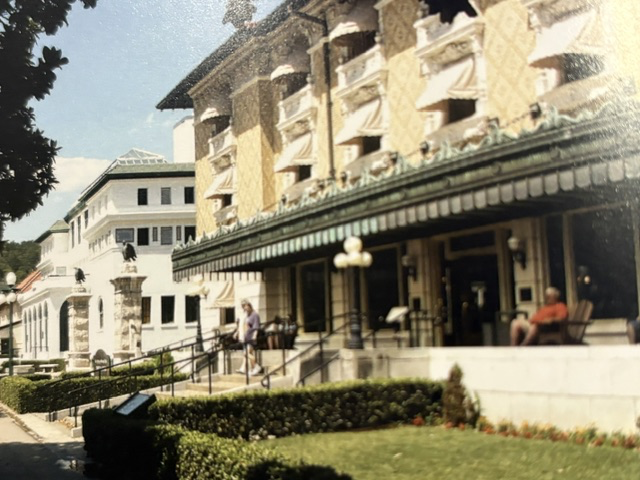
Hot Springs National Park
Visiting Hot Springs National Park in Hot Springs was one of the more unique experiences in my exploration of the National Parks. Unlike parks centered around natural landscaped or historical homes, Hot Springs blends natural springs, history, architecture and American culture together. What made this visit memorable was having the opportunity to experience one of the […]

