Montezuma Castle National Monument
Some of the most remarkable accomplishments in North America were built long before Europeans arrived. Montezuma Castle National Monument preserves one of those extraordinary achievements: a five-story cliff dwelling that has stood for more than eight centuries.
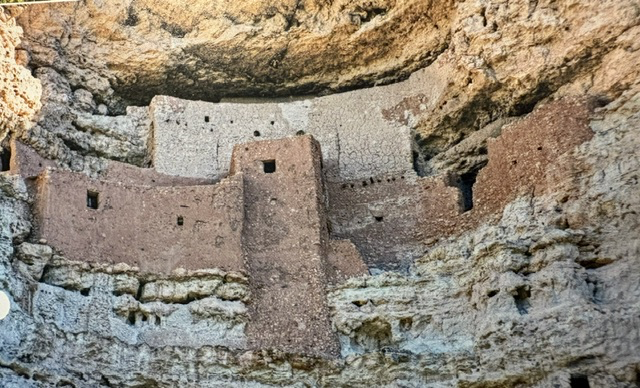
Montezuma Castle National Monument was established on December 8, 1906, by President Theodore Roosevelt under the newly enacted Antiquities Act. It was one of the first four national monuments designated in the United States, reflecting the nation’s growing commitment to preserving irreplaceable archaeological sites and the history of the people who built them.
Despite its name, Montezuma Castle has no connection to the Aztec emperor Montezuma, nor is it a castle. Early European Americans mistakenly believed the structure was associated with the Aztecs, but archaeologists now know it was constructed by the Sinagua people between approximately A.D. 1100 and 1300.
Nestled within a natural limestone alcove nearly 100 feet above Beaver Creek in Arizona’s Verde Valley, the twenty-room dwelling provided both protection and practicality. The overhanging cliff sheltered the buildings from rain and intense summer sun, while its elevated position offered security from flooding and potential enemies. Carefully built from local limestone, mud mortar, and timber, the structure reflects remarkable engineering and architectural skill.
The Sinagua people were accomplished farmers who cultivated corn, beans, squash, and cotton in the fertile floodplain below. They also participated in extensive trade networks that connected communities across the Southwest. For nearly three centuries, Montezuma Castle served as home to generations of families before the settlement was gradually abandoned around A.D. 1400 for reasons that are still debated. Climate change, resource pressures, and shifting social patterns may all have played a role.
Because the dwelling was tucked safely beneath the limestone overhang, it escaped much of the weathering and destruction that claimed many other prehistoric sites. As a result, Montezuma Castle remains one of the best-preserved cliff dwellings in North America, offering an extraordinary window into the lives of the Sinagua people.
Centuries before the arrival of Spanish expeditions, skilled architects, farmers, and craftsmen were building thriving communities that reflected a deep understanding of both the landscape and the challenges of desert life. Their legacy endures in one of the National Park System’s most remarkable archaeological treasures.
Read More From Nancy
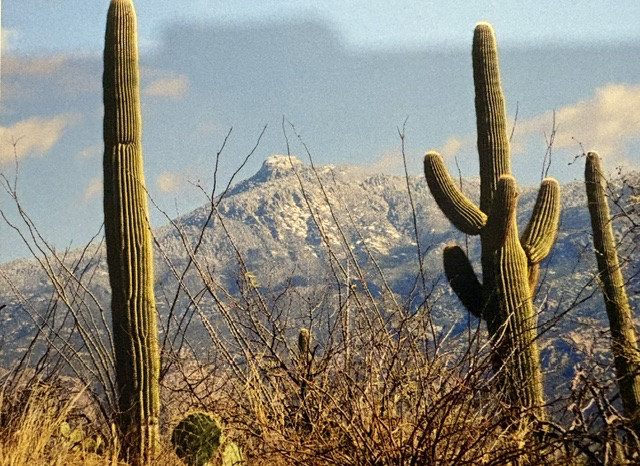
Saguaro National Park
Saguaro National Park, established in 1994 near Tucson, Arizona, preserves one of the most recognizable landscapes in the American Southwest. It is home to the nation’s largest cactus, the giant saguaro, a plant found naturally only in the Sonoran Desert. Some of these remarkable cacti live for more than 150 years and can grow to […]
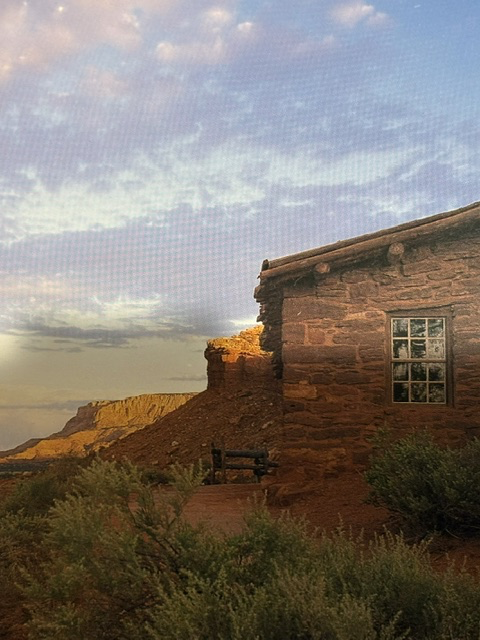
Pipe Spring National Monument
In the dry desert landscape of northern Arizona, Pipe Spring National Monument preserves a precious resource in the American Southwest, water. The national springs flowing here made life possible in a harsh environment where dependable water sources were often separated by vast distances. Located close to the Arizona-Utah border, Pipe Spring became an important stopping place for Native peoples, travelers, […]
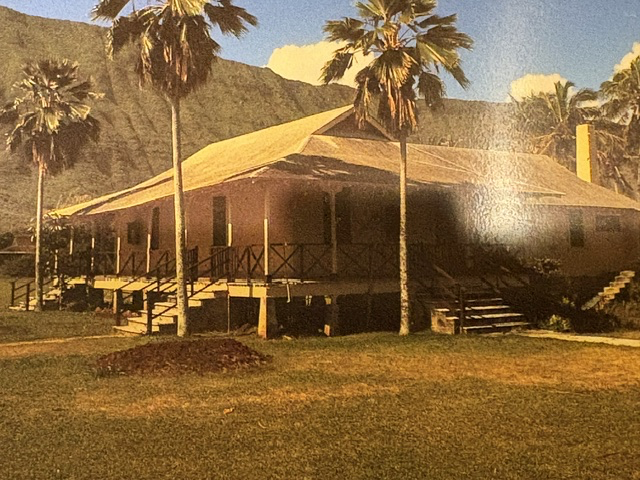
Kalaupapa National Historical Park
Visiting Kalaupapa National Historical Park was one of the more difficult and emotional National Park sites I have experienced. This was another journey that I made alone, and perhaps that solitude added to the feeling of reflection that stayed with me throughout the visit. Reaching Kalaupapa is part of the experience itself. I flew in on a small plane, […]

