Saguaro National Park
Saguaro National Park, established in 1994 near Tucson, Arizona, preserves one of the most recognizable landscapes in the American Southwest. It is home to the nation’s largest cactus, the giant saguaro, a plant found naturally only in the Sonoran Desert. Some of these remarkable cacti live for more than 150 years and can grow to heights of 40 feet or more.
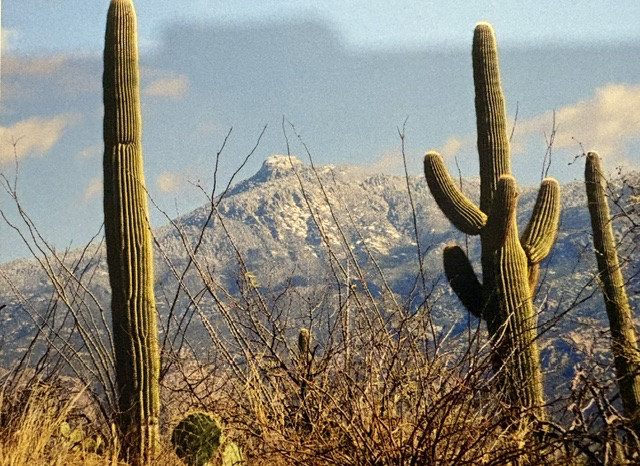
Driving through the park at dusk is an unforgettable experience. As the sun begins to set, the silhouettes of the towering saguaros stretch across the desert. With their outstretched arms, they almost seem like people standing quietly across the landscape, each with its own unique shape and personality. It is one of those scenes that stays with you long after you leave.
Long before this became a national park, the Sonoran Desert was home to the Hohokam people, who developed sophisticated irrigation systems and farmed this arid land more than a thousand years ago. Later came ranchers, homesteaders, and miners, each finding ways to build a life in what at first appears to be an unforgiving environment.
One of the surprises of visiting Saguaro National Park is discovering that the desert is anything but empty. It is filled with life, from the giant saguaros and colorful wildflowers to coyotes, javelinas, roadrunners, and countless other plants and animals uniquely adapted to this harsh climate.
Standing among these magnificent cacti, I was reminded that every landscape has its own character and rhythm. The Sonoran Desert may appear quiet and still, but it tells a story of resilience, adaptation, and survival. It is a place that invites you to slow down, look carefully, and discover a beauty that reveals itself one moment at a time.

Read More From Nancy

San Francisco Maritime National Historical Park
Walking along Aquatic Park in San Francisco, I made my way to the Hyde Street Pier and the visitor center of San Francisco Maritime National Historical Park. San Francisco’s identity was forged by the sea. When gold was discovered in 1848, ships began arriving from everywhere: New England, South America, Europe, China, Australia. The sea routes brought […]
John Muir National Historic Site
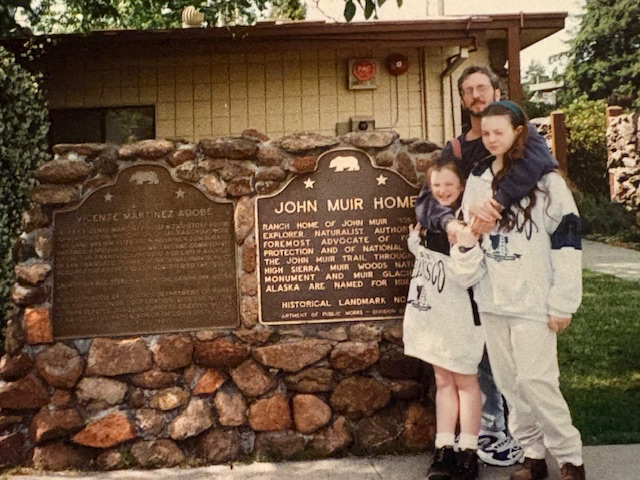
John Muir’s home in California offers a intimate window into the life of one of America’s most influential conservationists. Located northeast of San Francisco, the site is preserved today as John Muir National Historic Site. Muir lived here from 1889 until his death in 1914. While many picture him wandering through Yosemite or Alaska’s glaciers, this […]
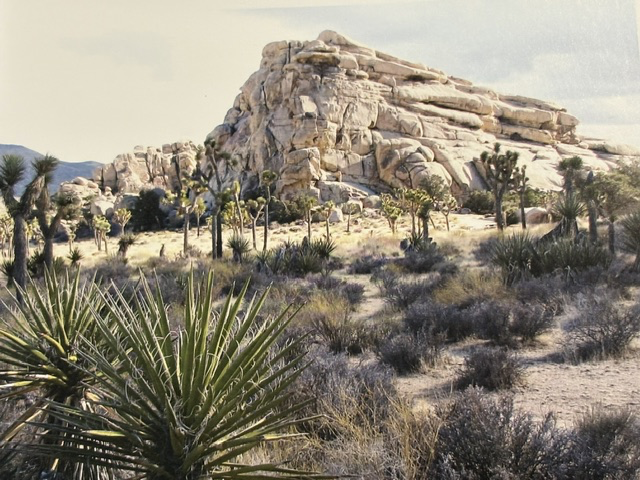
Joshua Tree National Park
Our family traveled to Los Angeles, and while our daughter attended a yoga event, Marty and I made the drive east to Joshua Tree National Park to explore and hike. Here the landscape itself becomes the destination. Established as a national monument in 1936 and redesignated as a national park in 1994, Joshua Tree preserves […]

