Sunset Crater Volcano National Monument
More than 900 years ago, the landscape north of what is now Flagstaff, Arizona, changed dramatically. The ground opened and lava began pouring across the land while volcanic ash and cinders were thrown high into the air. When the eruption ended, a new cinder cone rose above the surrounding terrain: Sunset Crater, the youngest volcano in the San Francisco volcanic field.
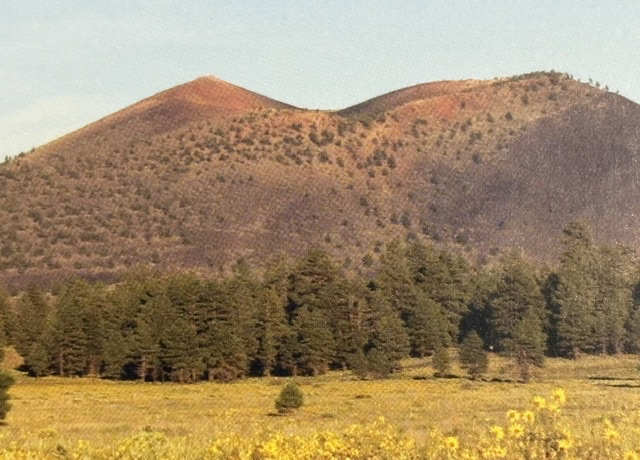
The eruption began around 1085 and continued intermittently for a period of years. Lava moved across the surrounding countryside, while cinders and ash covered a much larger area. The eruption transformed forests and fields that had been used by Indigenous people living throughout this part of the Colorado Plateau. Communities had to move away from the immediate area, although people later returned to farm nearby lands. The volcanic ash helped retain moisture in the soil, changing where and how crops could be grown in this dry environment.
The name Sunset Crater came much later. The upper slopes contain striking red and orange oxidized cinders that contrast with the darker volcanic rock below. In the right light, the colors reminded early visitors of a sunset glowing across the crater.
There is also an important preservation story here. In the late 1920s, a Hollywood production company proposed using explosives on the crater to create an avalanche for the movie Avalanche. Local citizens and scientists objected, helping build support for federal protection of the site. President Herbert Hoover established Sunset Crater National Monument in 1930. It was renamed Sunset Crater Volcano National Monument in 1990.
Read More From Nancy
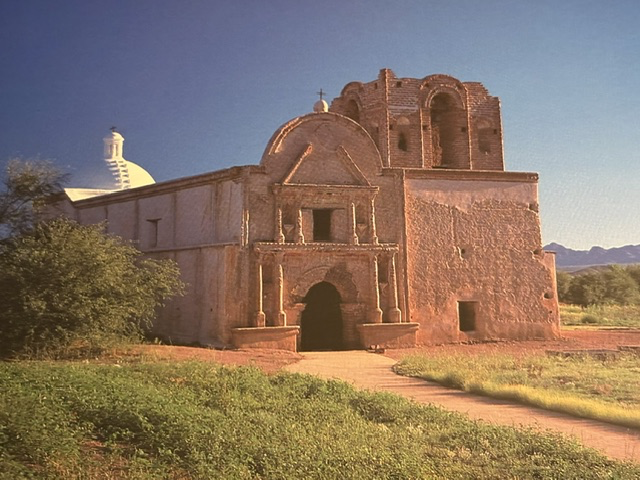
Tumacácori National Historical Park
This Spanish Catholic mission stands near the site first visited by Jesuit missionaries in 1691. Located in the Santa Cruz River Valley of southern Arizona, Tumacácori became one of a chain of missions established to serve the indigenous O’odham people and extend Spain’s presence into the northern frontier of New Spain. This site includes this restored Franciscan church […]
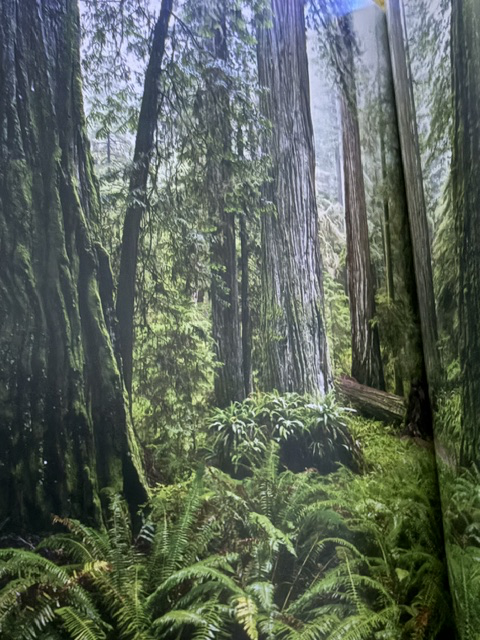
Redwood National Park
Redwood National Park in northern California preserves one of the world’s most extraordinary forests. Established as a National Park in 1968 and expanded in 1978, the park protects the tallest trees on Earth, along with ancient prairies, oak woodlands, wild rivers, and nearly forty miles of rugged Pacific coastline. As remarkable as the coastline and rivers […]
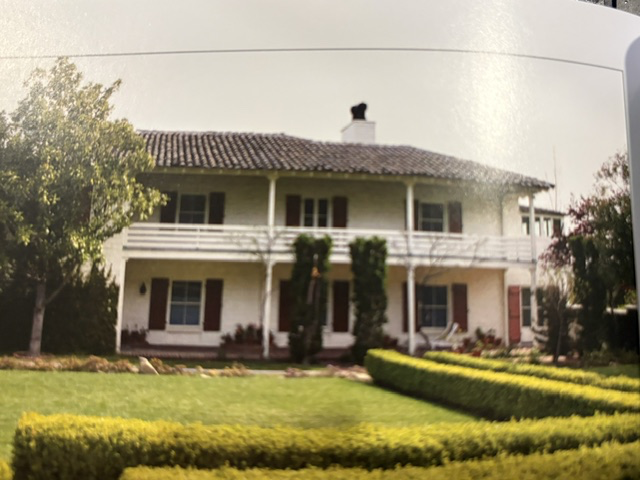
Eugene O’Neill National Historic Site
America’s only Nobel Prize winning playwright, Eugene O’Neill, made his home at Tao House during the height of his writing career. In this secluded retreat overlooking California’s San Ramon Valley, O’Neill found the peace and inspiration to create many of the works that secured his place among the giants of American literature. Between 1937 and 1944, he wrote […]

