Pipe Spring National Monument
In the dry desert landscape of northern Arizona, Pipe Spring National Monument preserves a precious resource in the American Southwest, water. The national springs flowing here made life possible in a harsh environment where dependable water sources were often separated by vast distances.
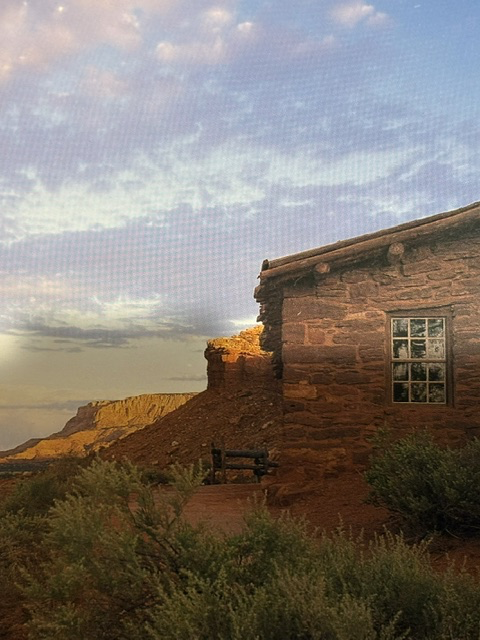
Located close to the Arizona-Utah border, Pipe Spring became an important stopping place for Native peoples, travelers, ranchers and Mormon settlers moving through the region. The springs supported both human settlement and livestock, making this isolated oasis strategically valuable for generations.
This stone fort-like building was constructed in the 1870s by Mormon pioneers under the direction of the Church of Jesus Christ of Latter-day Saints. Built from local sandstone, the structure served as the ranch headquarters, fortified refuge, storage site and daily residence.
Long before the Mormon settlement, the springs were important to the Kaibab Paiute people who lived in the region and depended on these waters for survival. Their connection to the land and springs reaches back centuries before European American arrival. Today, Pipe Spring tells the story of pioneer settlement and the continuing cultural importance of the area to the Kaibab Paiute Tribe.
Recognizing both its historical importance and the significance of the spring, Pipe Spring National Monument was established in 1923 by President Warren G. Harding. Today the monument preserves the intertwined stories of water, Native cultures, frontier settlement, ranching and survival in one of the most challenging landscapes of the American Southwest.
Read More From Nancy
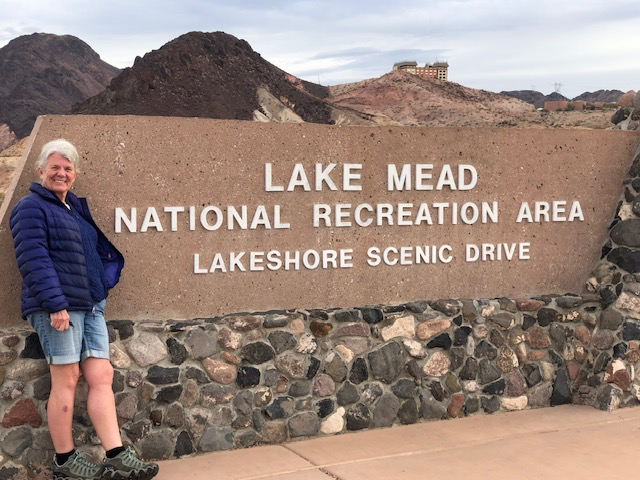
Lake Mead National Recreation Area
Lake Mead National Recreation Area stretches across the Nevada/Arizona border and surrounds the vast reservoir created by the Hoover Dam on the Colorado River. It is a landscape of desert mountains, open water and red rock shoreline. Lake Mead was formed in the 1930s when Hoover Dam was completed during the Great Depression. The project brought […]
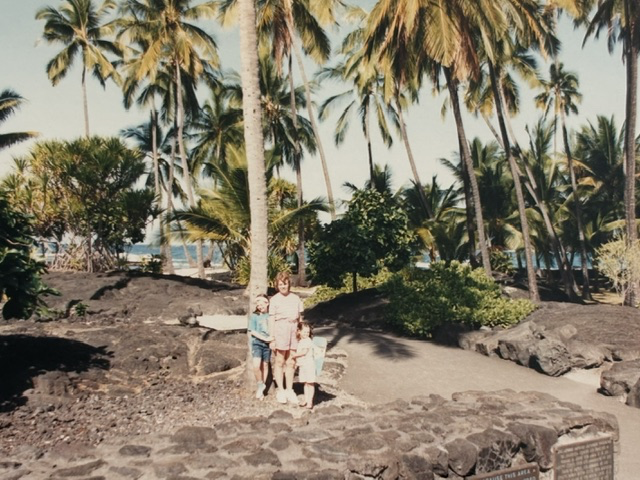
Pu’uhonua o Honaunau National Historical Park
Pu’uhonua o Honaunau National Historical Park on the Big Island of Hawaii is one of the most important and sacred historic places in Hawaii. Long before Hawaii became part of the United States, this area served as a “City of Refuge”, a protected santuary where people could excape punishment, violence or death. An ancient Hawaiian society, life was governed by a […]
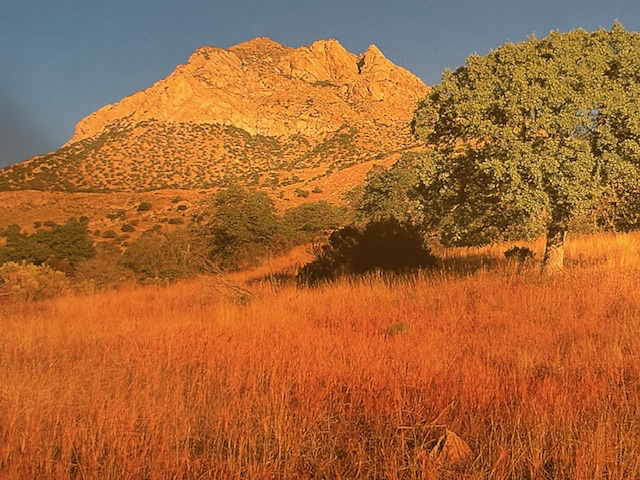
Coronado National Memorial
Coronado National Memorial commemorates the first major Spanish exploration into what is now the American Southwest, led by Francisco Vazquez de Coronado in 1540. Exploring this area, it is easy to imagine what those early explorers encountered: vast grasslands, rugged mountains and an unfamiliar land stretching far beyond what they knew. Coronado set out in search […]

