Monhegan Island
Staying at the Island Inn became an important part of our experience on Monhegan Island. Perched on a bluff overlooking the harbor, the large shingled inn seems perfectly suited to its surroundings. From the moment we arrived, there was a feeling that we had stepped into an earlier era of New England summer travel.
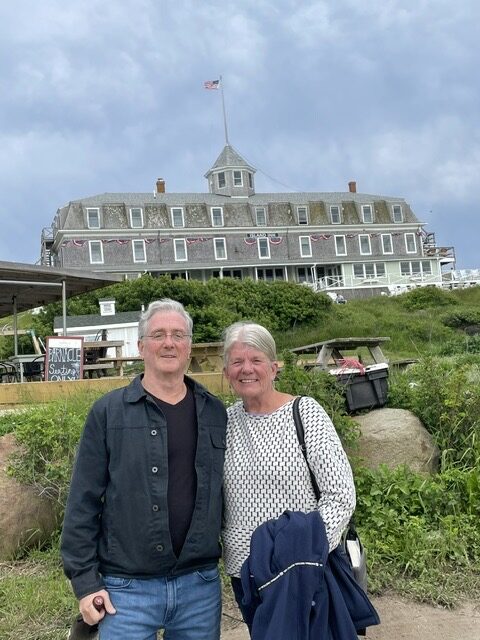
The history of the inn reaches back more than two centuries. Its oldest section was built in 1816 and was originally known as the Pink House. As Monhegan began attracting increasing numbers of summer visitors during the late 19th and early 20th centuries, the property evolved with the island. Frank Pierce purchased it in 1906, and major additions in 1907 and 1910 created much of the Island Inn we see today.
Those were the years when coastal Maine was becoming an increasingly popular summer destination. Monhegan offered something particularly appealing: an island reached only by boat, without the automobiles and development found at larger resorts. Visitors came for the sea air, rugged coastline, walking trails and a sense of separation from everyday life.
The Island Inn became part of that tradition. Its broad porches and windows look across Monhegan Harbor toward Manana Island, and its western exposure provides wonderful views of the evening sky. Generations of guests have stood here watching fishing boats and ferries move through the harbor.
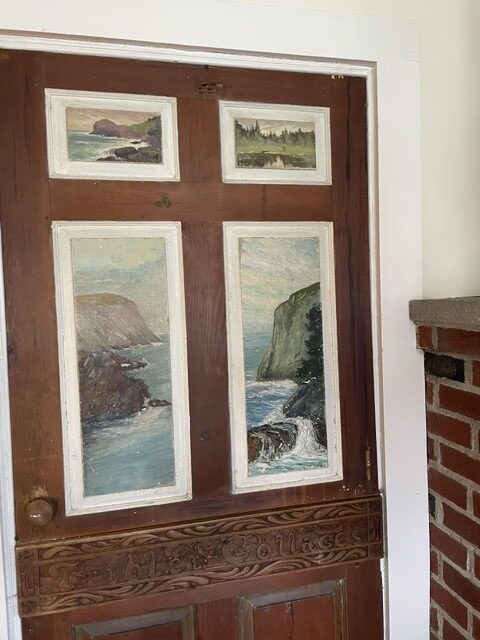
Inside, the inn retains much of the character that made staying there feel like stepping back in time. Rather than trying to erase its age, many of the details seem to celebrate it. One that particularly caught my attention was this old wooden door. Paintings of Monhegan’s cliffs, water and landscape have been incorporated directly into its panels, turning an ordinary architectural feature into something connected specifically to the island.
That seems especially appropriate on Monhegan. For more than a century, artists have been drawn here by the island’s dramatic cliffs, ocean, changing weather and extraordinary light. Art is such an important part of Monhegan’s identity that finding these small landscapes painted onto a door inside the inn feels completely natural.
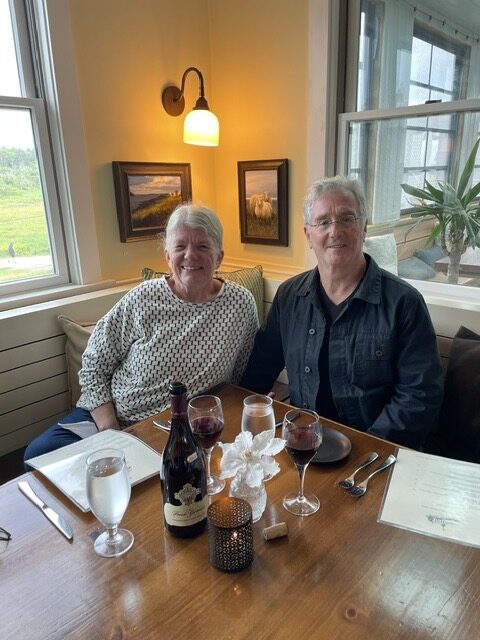
The dining room was another part of our stay that I remember. Instead of leaving the inn at the end of the day, we could sit down for dinner surrounded by windows looking out toward the island. The room is comfortable and relatively simple, much like the rest of the inn. There is no attempt to separate the dining experience from the setting—the landscape remains right outside the windows.
Even arriving at the inn reinforces that separation. There is no bridge to Monhegan and visitors don’t bring their cars. We arrived by ferry and made our way into the village on foot while luggage was transported from the wharf. Once there, walking becomes the primary way to explore.
There is something wonderful about staying in a historic building rather than simply touring one. We weren’t walking through restored rooms for an hour and then leaving. We slept beneath its roof, walked its hallways, ate dinner in its dining room and watched the harbor from the same hillside where generations of visitors had done those things before us.
For a few days, we weren’t simply visiting an old New England summer hotel. We were participating in a tradition of island travel that has been bringing people to this remarkable place for generations.
Read More From Nancy
The River That Built Bath
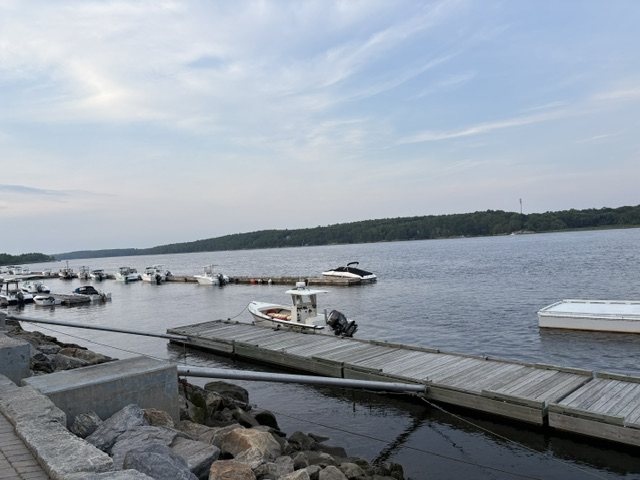
The Kennebec looked quiet when we stopped along Bath’s waterfront. Small boats rested at the docks, and the wooded shore stretched across the water. It was easy to linger over the view. It took a little more imagination to see how much had once happened on this same stretch of river. In the nineteenth century, […]
Sabbathday Lake Shaker Village
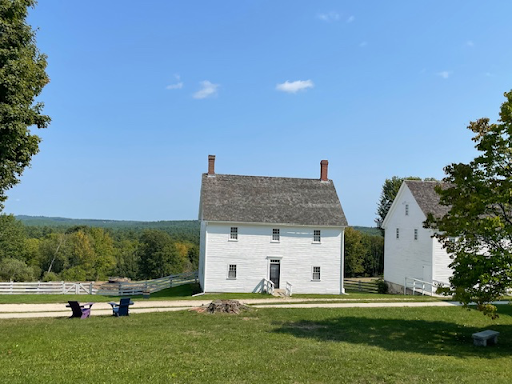
By far one of my favorite places to visit in Maine is the Sabbathday Lake Shaker Village. Over the years, I have visited many places associated with the Shakers, but this community is unlike any other. It is home to the last active Shaker community in the world. Today, only three Shakers continue the religious […]
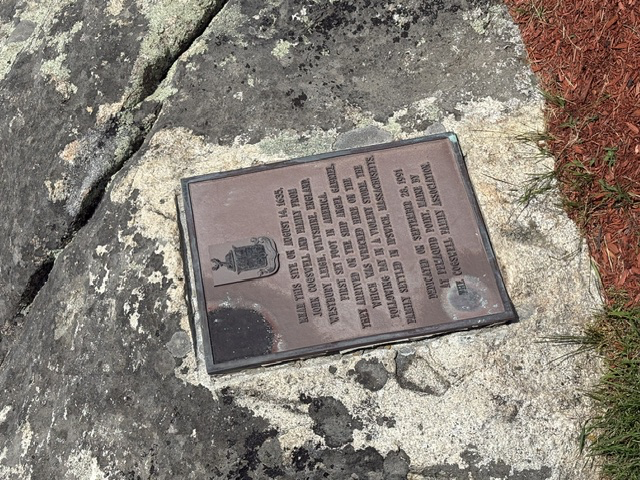
The Cogswell Family
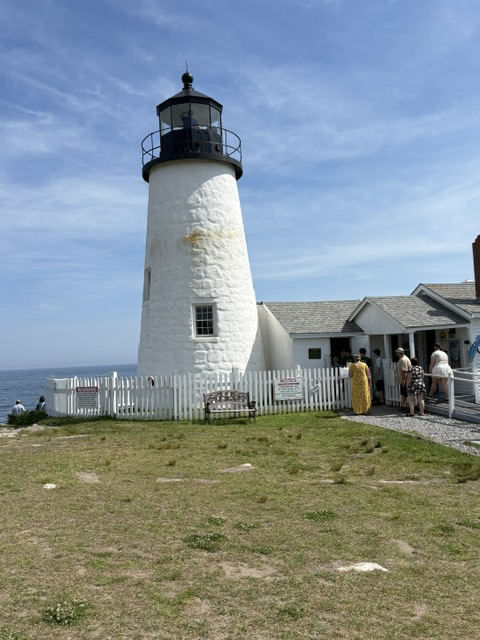
Set into the rocks at Pemaquid Point is a bronze plaque marking the place where one family’s American story began nearly four centuries ago. On August 14, 1635, John Cogswell and his family, from Westbury Leigh in Wiltshire, England, first set foot in America near this site. They had crossed the Atlantic aboard the Angel Gabriel, […]

