The River That Built Bath
The Kennebec looked quiet when we stopped along Bath’s waterfront. Small boats rested at the docks, and the wooded shore stretched across the water. It was easy to linger over the view. It took a little more imagination to see how much had once happened on this same stretch of river.
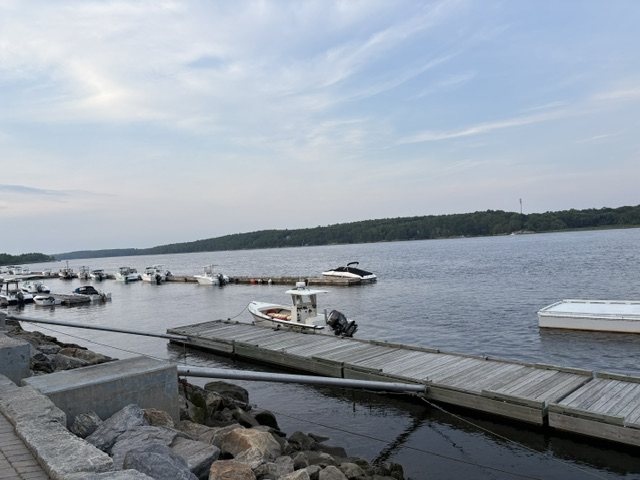
In the nineteenth century, Bath’s waterfront was a place of constant movement. Wharves reached out from the shore, ships arrived with travelers and goods, and vessels under construction filled the air with the sounds of hammers and saws. By the 1850s, the growing city had nearly three dozen wharves along the Kennebec. Even the houses reflected the river’s importance: many were built facing the water, where residents could watch ships come and go.
The river gave Bath a way to receive supplies, send ships out into the world, and build an industry that would define the city. Wooden sailing vessels were once made along its banks; shipbuilding continues on the Kennebec today. That long history earned Bath its familiar name, the City of Ships.
Standing there, I found myself looking past the boats in front of us and trying to picture the earlier waterfront: the crowded docks, the unfinished hulls, the people waiting for a ship to arrive. The scene had changed, but the river still made that history possible to see. It was right there, flowing past the place Bath had built beside it.
Read More From Nancy
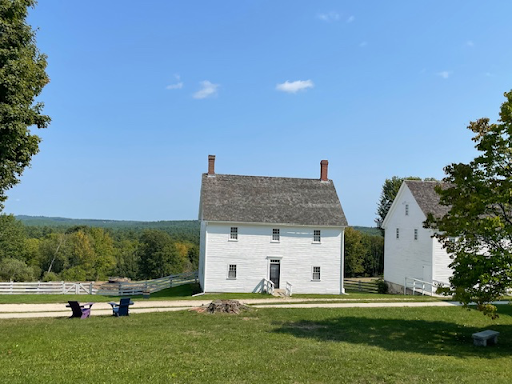
Sabbathday Lake Shaker Village
By far one of my favorite places to visit in Maine is the Sabbathday Lake Shaker Village. Over the years, I have visited many places associated with the Shakers, but this community is unlike any other. It is home to the last active Shaker community in the world. Today, only three Shakers continue the religious […]
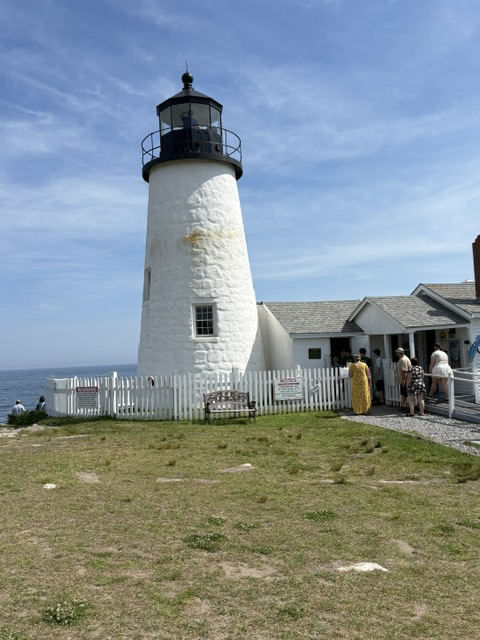
Pemaquid Point Lighthouse
One of the pleasures of traveling is discovering places you never expected to visit. Pemaquid Point Lighthouse was one of those discoveries. As we made our way home from the Canadian Maritime Provinces, we learned about this historic lighthouse on the coast of Maine and decided to make a short detour. It turned out to […]
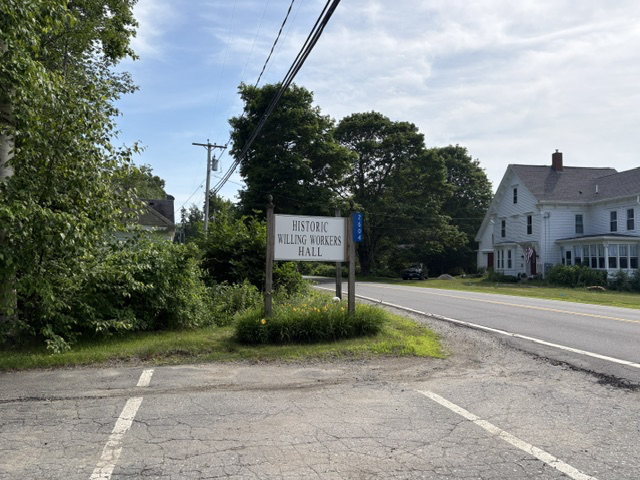
Willing Workers Hall
While Marty and I were driving through Maine, I saw a sign for the Historic Willing Workers Hall and asked him to pull over. The name caught my attention. Who were the Willing Workers? What kind of work had they done, and why did they have a hall of their own? Across the road stood […]

