Madame Tussauds
Coming face to face with people from another century was part of the appeal of Madame Tussauds. We had to include this wax museum in our family vacation in the United Kingdom. Figures such as Beethoven and Mozart gave familiar names a physical presence, offering a playful way to encounter people whose music and stories had outlived them.
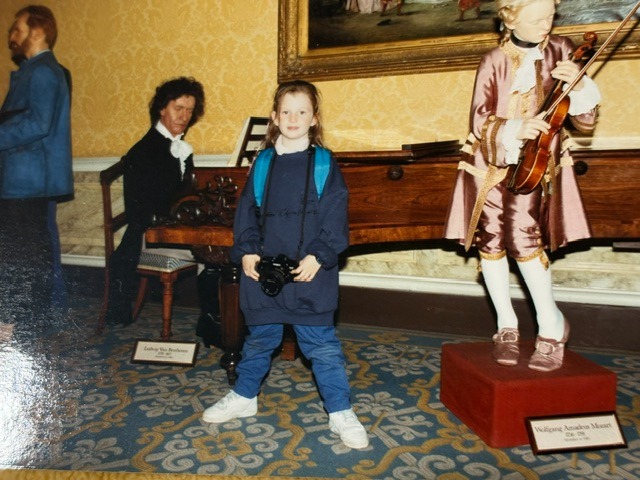
The museum began with the work of Marie Grosholtz, later known as Madame Tussaud. Born in Strasbourg in 1761, she learned wax modeling from Philippe Curtius, whose exhibitions in Paris attracted visitors eager to see lifelike representations of recognizable people. After his death in 1794, Marie inherited his collection, providing the foundation for the business that would carry her name.
Wax figures offered something particularly compelling before photographs became widely available: the opportunity to see a three-dimensional likeness of someone known through reputation, printed accounts, or portraits. The exhibitions brought public figures within apparent reach, combining craftsmanship with curiosity about the famous.
In 1802, Marie brought her collection to Britain. For the next thirty-three years, she traveled with the exhibition through England, Scotland, and Ireland. Behind the displays was the demanding work of transporting fragile figures, arranging temporary exhibitions, and attracting audiences in each new location. In 1835, she and her sons established a permanent home at the Baker Street Bazaar in London.
Her family continued the enterprise after her death. In 1884, the collection moved to Marylebone Road, where the London attraction remains. Its displays combined entertainment with historical subjects. Nineteenth-century advertisements even promoted the royal figures as a way for schoolchildren to connect with the people they encountered in their history books.
Madame Tussauds grew from a traveling collection into a museum where historical figures, royalty, musicians, and entertainers share the galleries. Its appeal rests on the craftsmanship of lifelike wax portraits and the experience of standing beside recognizable figures. The London museum continues the exhibition tradition Marie Tussaud established nearly two centuries ago.
Read More From Nancy
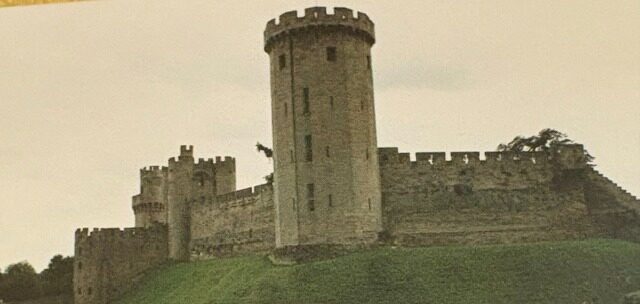
Warwick Castle
We visited Warwick Castle during our family tour of the United Kingdom. Its massive stone walls and towers brought us face to face with the kind of fortress that had helped shape England’s history. Behind those defenses were generations of families whose wealth, alliances, and ambitions could influence who wore the crown. The castle began […]
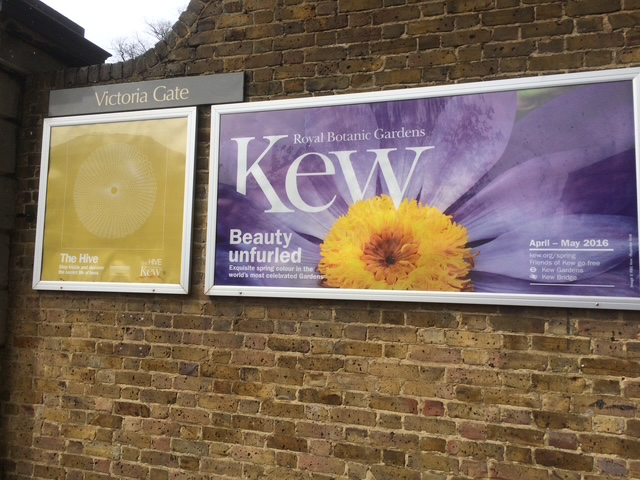
Kew Gardens
On a free afternoon from teaching, Marty and I took the train out to Kew Gardens. It was restorative to step away from the city and let a train carry us toward this green space. The gardens felt expansive and peaceful, with wide lawns and winding paths. Kew began as a royal garden in the […]
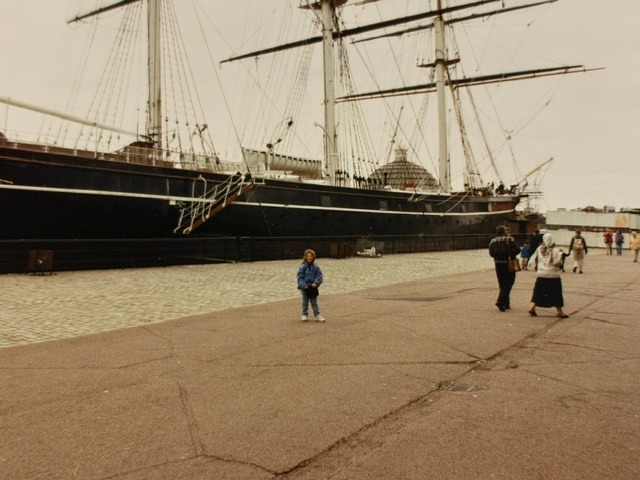
Cutty Sark
During our family vacation in the United Kingdom, we visited Cutty Sark in Greenwich. Its tall masts and intricate rigging offered a connection to a time when moving goods across the world depended on the wind, the design of a ship, and the skill of its crew. Launched in Dumbarton, Scotland, in 1869, Cutty Sark […]

