Kew Gardens
On a free afternoon from teaching, Marty and I took the train out to Kew Gardens. It was restorative to step away from the city and let a train carry us toward this green space. The gardens felt expansive and peaceful, with wide lawns and winding paths.
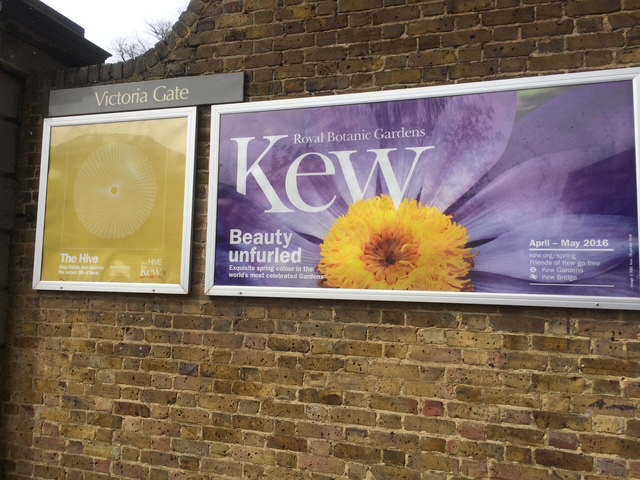
Kew began as a royal garden in the early 18th century. It was first developed by Princess Augusta, the mother of King George III, who transformed the land into a botanic garden focused on collecting and studying plants from around the world. During the height of Britain’s global exploration, plant specimens were brought back from distant continents and cultivated here. Over time, Kew evolved into a leading scientific institution. Today it is a UNESCO World Heritage Site and one of the most important botanical research centers in the world.
We stepped into the Palm House, the Victorian glass structure built between 1844 and 1848. Inside the air is humid, warm and filled with tropical growth. The curved iron ribs and vast panes of glass are masterpieces of 19th century engineering.
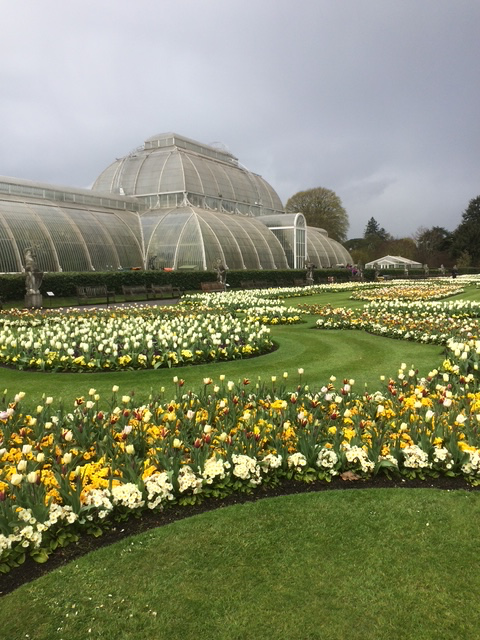
We also visited the Temperate House, completed in 1899, the largest surviving Victorian glasshouse in the world and the Orangery, bui8ld in 1761 to shelter citrus trees through England’s cold winters.
We eventually settled in for afternoon tea – my most favorite activity. These small pauses in our schedule are sometimes just enough.
Read More From Nancy
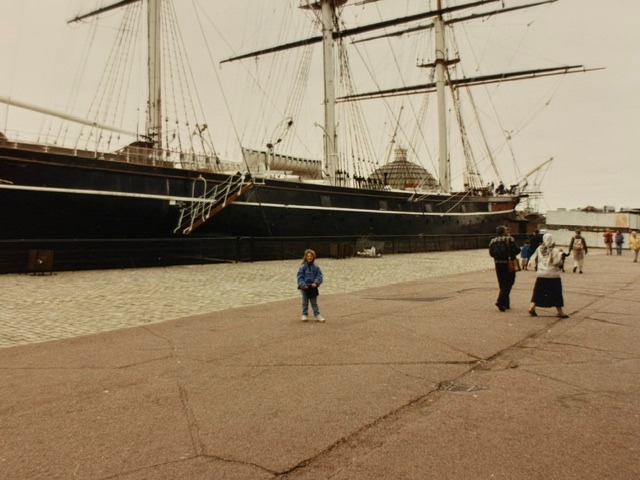
Cutty Sark
During our family vacation in the United Kingdom, we visited Cutty Sark in Greenwich. Its tall masts and intricate rigging offered a connection to a time when moving goods across the world depended on the wind, the design of a ship, and the skill of its crew. Launched in Dumbarton, Scotland, in 1869, Cutty Sark […]
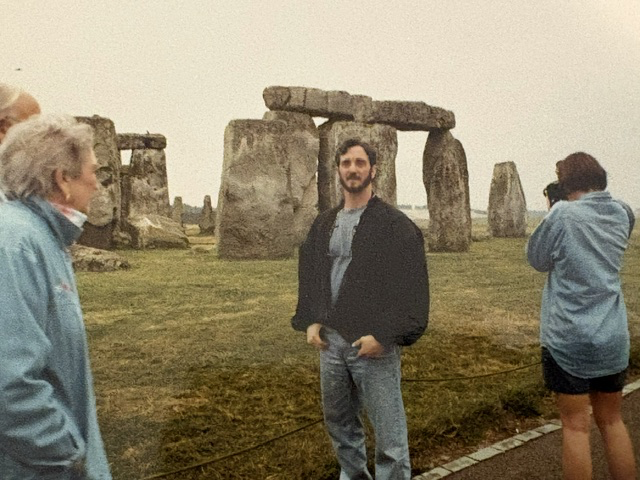
Stonehenge
This photograph captures a very different experience of visiting Stonehenge than what travelers experience today. Taken before the modern barriers and greater visitor restrictions were added, it reflects a time when visitors could stand much closer to the ancient stones and to one of the world’s most mysterious prehistoric sites. The monument is so iconic that you feel […]
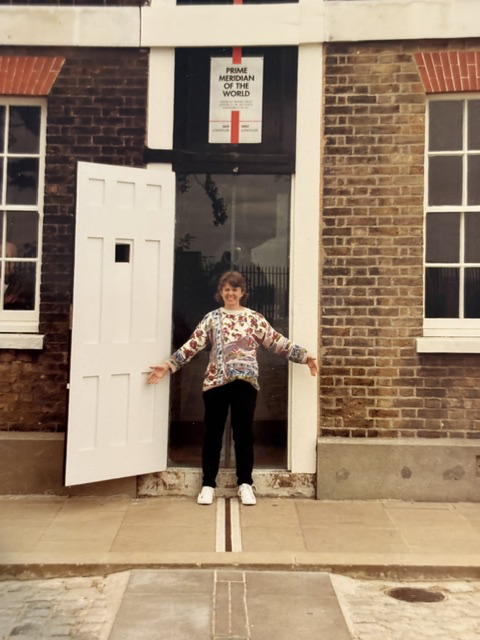
The Prime Meridian
During our travels in the United Kingdom with our girls, we visited Greenwich, just outside London. I wanted to see the famous Royal Observatory, but I also wanted the experience of standing on the Prime Meridian. There, with one foot in the Eastern Hemisphere and the other in the Western Hemisphere, I found myself straddling […]

