Westminster Abbey
Westminster Abbey holds an extraordinary range of lives and stories within its walls. Monarchs have been crowned here, writers and scientists honored, and an unknown serviceman laid to rest among some of Britain’s most recognized figures. Visiting during our family vacation in the United Kingdom gave us a chance to consider how one place became a setting for both national celebration and personal remembrance.
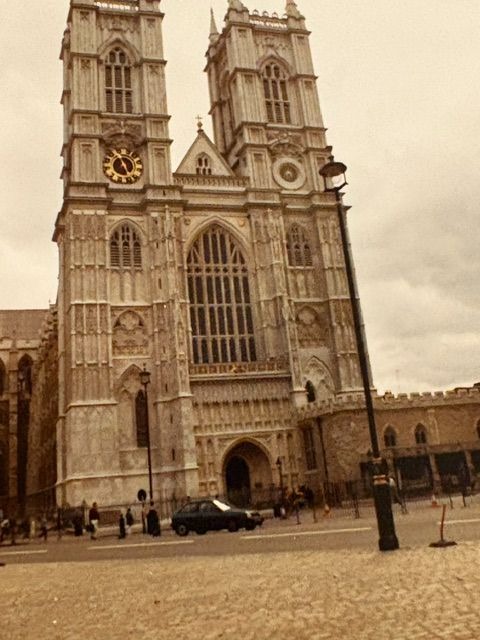
A Benedictine monastery was established here in the tenth century. Edward the Confessor later built a substantial church, dedicated in 1065, shortly before his death. In 1245, Henry III began rebuilding it in the Gothic style, creating much of the Abbey we recognize today and providing a magnificent setting for Edward’s shrine. The building continued to develop over generations. Its western towers were completed only in 1745, following a design by Nicholas Hawksmoor—about five hundred years after Henry’s rebuilding began.
Westminster Abbey has been a coronation church since 1066. William the Conqueror was crowned here on Christmas Day that year, establishing a connection between the Norman monarchy and this existing English religious foundation. Coronations became part of the building’s design: Henry III’s new church included a spacious ceremonial area between the choir and the high altar. Architecture and royal ritual developed together.
The people remembered within the Abbey extend far beyond royalty. Geoffrey Chaucer was buried here in 1400, beginning the association that developed into Poets’ Corner. Later burials and memorials honored generations of writers. Elsewhere, the graves of Isaac Newton and Charles Darwin recognize scientific contributions that changed how people understood the world. Some individuals are buried in the Abbey; others are commemorated there while resting elsewhere.
Near the west entrance lies the grave of the Unknown Warrior. An unidentified British serviceman was brought from France and buried here on November 11, 1920. Among the named and celebrated, his anonymity gave grieving families a place to remember those whose bodies had never been identified or whose resting places were unknown.
The Abbey’s significance reaches beyond the grandeur of its entrance. Within one building, a nation has made room to remember its rulers, its creative and scientific minds, and someone whose name it will never know.
Read More From Nancy
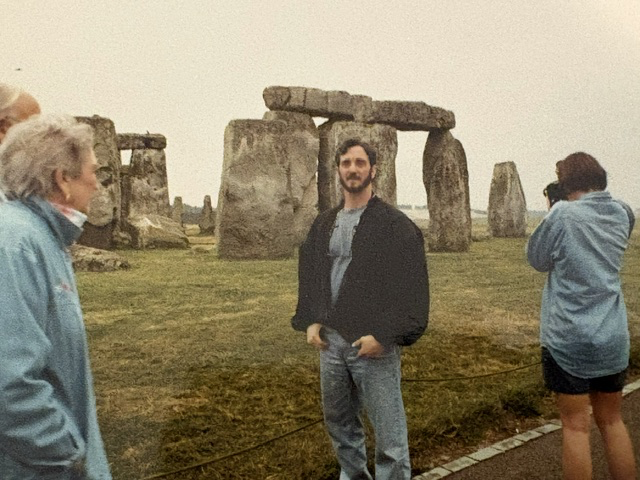
Stonehenge
This photograph captures a very different experience of visiting Stonehenge than what travelers experience today. Taken before the modern barriers and greater visitor restrictions were added, it reflects a time when visitors could stand much closer to the ancient stones and to one of the world’s most mysterious prehistoric sites. The monument is so iconic that you feel […]
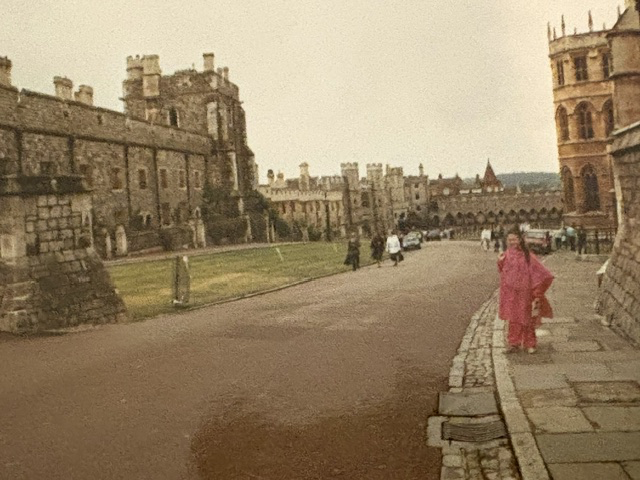
Windsor Castle
This is Emmy standing just outside Windsor Castle in her bright pink rain poncho. When we took our daughters to England, Windsor Castle was one of the places we knew we wanted them to experience. We quickly discovered that England’s reputation for rainy weather was well deserved, but a little rain did nothing to dampen […]
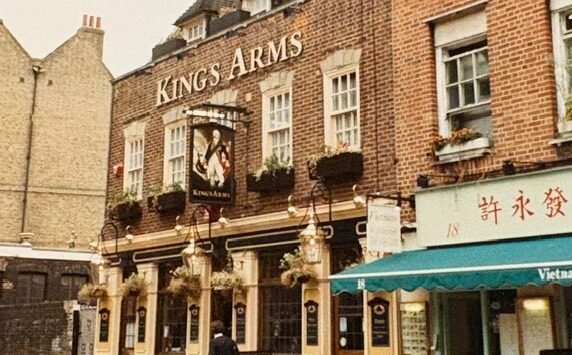
The King’s Arms
During our family vacation in the United Kingdom, we came across the King’s Arms on King William Walk in Greenwich. Its brick exterior, hanging sign, and flower-filled window boxes were part of the streetscape we encountered while exploring the area. Behind that familiar pub frontage is a story preserved partly through the memories of local […]

