Warwick Castle
We visited Warwick Castle during our family tour of the United Kingdom. Its massive stone walls and towers brought us face to face with the kind of fortress that had helped shape England’s history. Behind those defenses were generations of families whose wealth, alliances, and ambitions could influence who wore the crown.
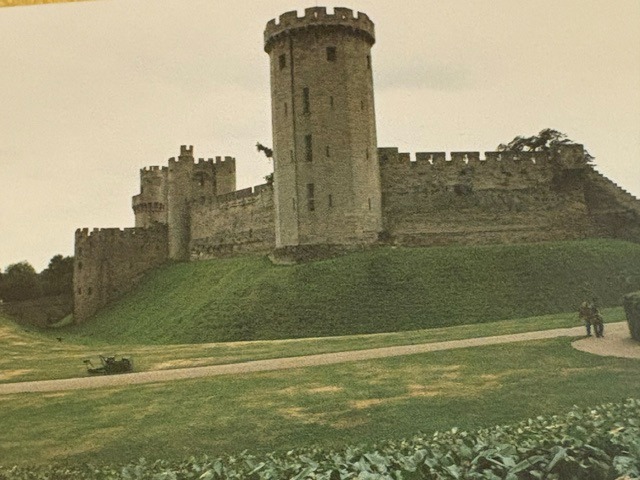
The castle began in 1068, when William the Conqueror ordered a wooden motte-and-bailey fortress built here, just two years after the Norman Conquest. An elevated stronghold and an enclosed courtyard helped secure his control over the surrounding area. Over the following centuries, stone replaced timber, and successive owners enlarged and strengthened the castle.
Much of its imposing appearance comes from the fourteenth century. Guy’s Tower, with its twelve-sided form, and Caesar’s Tower guarded the approaches to the fortified gatehouse. These defenses also announced the authority of the Earls of Warwick. A castle of this scale required considerable resources to build, maintain, and defend.
Among its most influential owners was Richard Neville, remembered as “Warwick the Kingmaker.” During the fifteenth-century Wars of the Roses, his shifting alliances helped determine the fortunes of rival claimants to the English throne. His power ultimately failed to protect him: he was killed at the Battle of Barnet in 1471. The castle’s history became entangled with the same struggles for power that divided the country.
In 1604, James I granted the castle to Sir Fulke Greville, who invested heavily in restoring its buildings and creating gardens. The medieval stronghold gradually became an aristocratic residence, with increasingly elaborate domestic interiors behind its defensive walls. The Greville family retained ownership until 1978.
For our family, Warwick offered an opportunity to encounter those layers of history in one place. Its walls survive from a world in which a home could also be a fortress.

Read More From Nancy
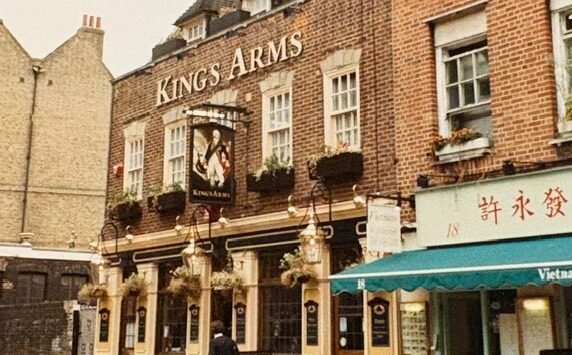
The King’s Arms
During our family vacation in the United Kingdom, we came across the King’s Arms on King William Walk in Greenwich. Its brick exterior, hanging sign, and flower-filled window boxes were part of the streetscape we encountered while exploring the area. Behind that familiar pub frontage is a story preserved partly through the memories of local […]
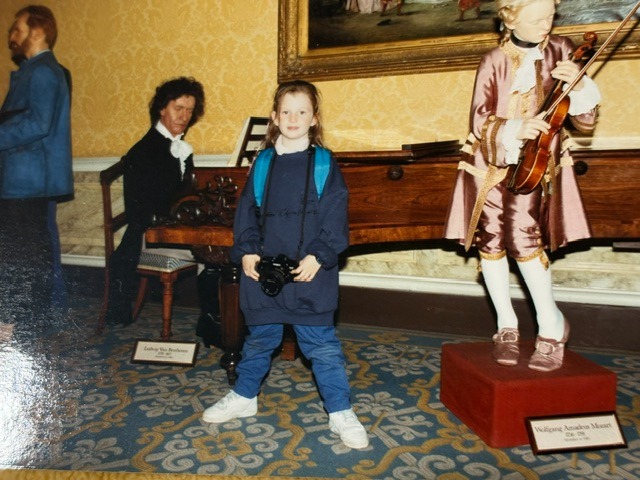
Madame Tussauds
Coming face to face with people from another century was part of the appeal of Madame Tussauds. We had to include this wax museum in our family vacation in the United Kingdom. Figures such as Beethoven and Mozart gave familiar names a physical presence, offering a playful way to encounter people whose music and stories […]
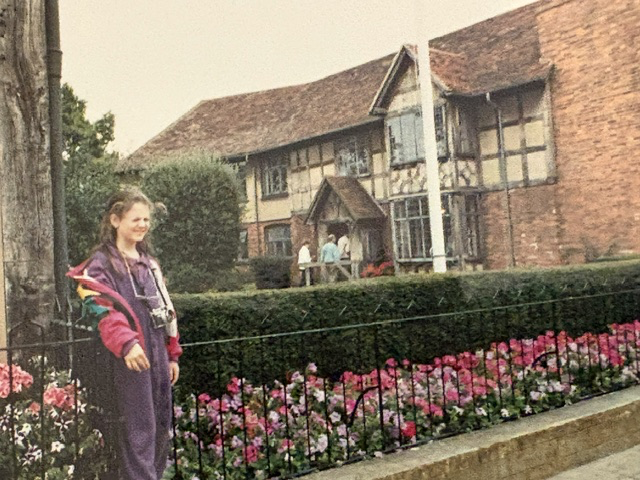
Anne Hathaway’s Cottage
This photograph of Emily was taken outside Anne Hathaway’s Cottage in Shottery, a small village just outside Stratford-upon-Avon. We had come to explore the places connected with William Shakespeare, but this house tells a story from before the plays, the Globe Theatre, and the fame. It takes us back to Shakespeare as a young man […]

