Les Invalides
The gilded dome of Les Invalides rises above a complex founded to care for soldiers. In 1670, Louis XIV established the Hôtel Royal des Invalides as a home for veterans whose injuries, illness, or age had left them in need of support. Its monumental architecture gave a prominent place in the capital to men who had served the monarchy.
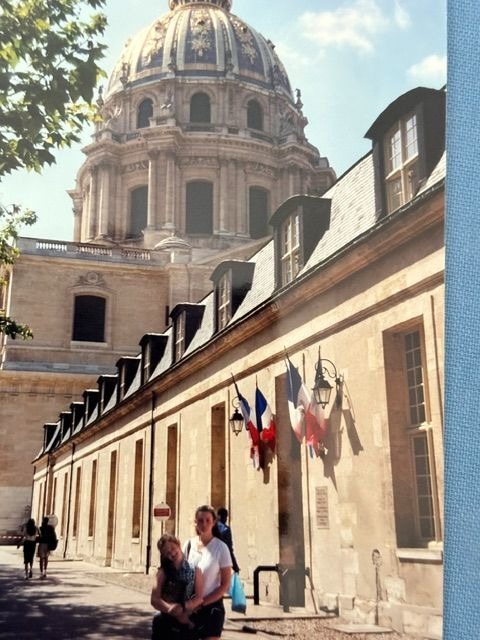
The complex included accommodation, medical care, and places of worship. Architect Jules Hardouin-Mansart succeeded Libéral Bruant in overseeing its construction, and Louis XIV inaugurated the royal Dome Church in 1706. The dome became the most recognizable feature of a site that combined practical care with royal ceremony.
Les Invalides also played a part in the French Revolution. On July 14, 1789, crowds seized weapons from the complex before proceeding to the Bastille. A royal institution built for soldiers thus supplied arms during the uprising that challenged royal authority.
Its commemorative role grew during the nineteenth century. In 1840, King Louis-Philippe arranged for Napoleon’s remains to be brought from Saint Helena to Paris. They were received at Les Invalides and, in 1861, placed in the monumental tomb designed by Louis Visconti beneath the dome.
Military collections added another purpose to the site. The Musée de l’Armée was established in 1905, making Les Invalides a major center for preserving and interpreting France’s military past.
The complex brings together several forms of remembrance: care for those who served, the burial of military leaders, and the preservation of objects associated with war. Its history connects the soldiers of Louis XIV with later generations who reshaped France.
Read More From Nancy
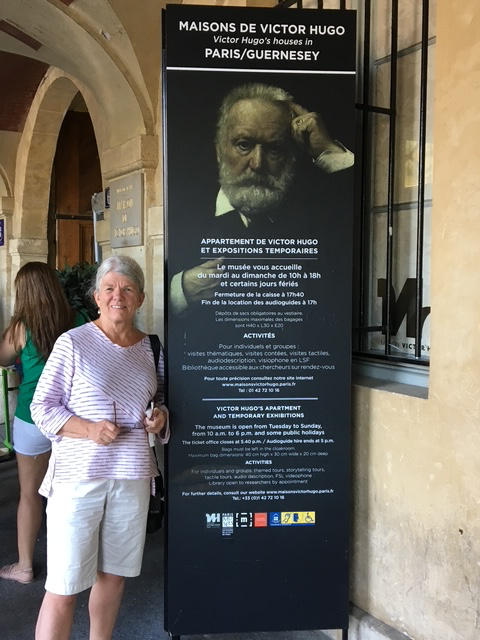
Home of Victor Hugo
The home of Victor Hugo offers a rare opportunity to step directly into the life of one of France’s greatest literary figures. This apartment is where Hugo lived from 1832 to 1848, some of his most productive and significant periods of his career. It was here that he wrote, entertained and lived as a central figure in […]
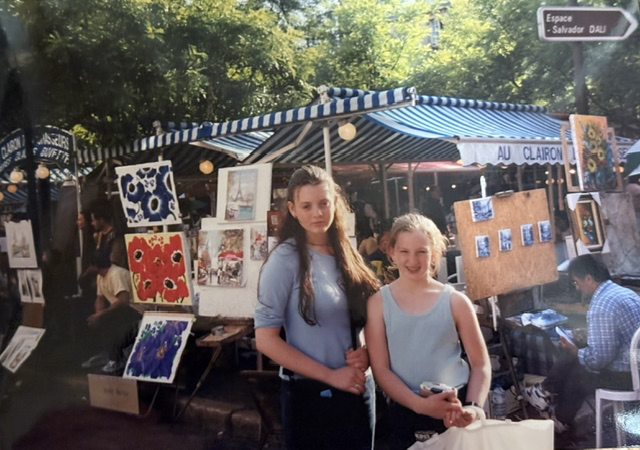
The Artists of Montmartre
During our family visit to Paris, we explored Montmartre, the historic neighborhood that rises above the city on its northern side. This photograph of our daughters was taken among the artists’ stalls near the Place du Tertre, not far from the Basilica of Sacré-Cœur. By the late nineteenth century, Montmartre had become home to a […]
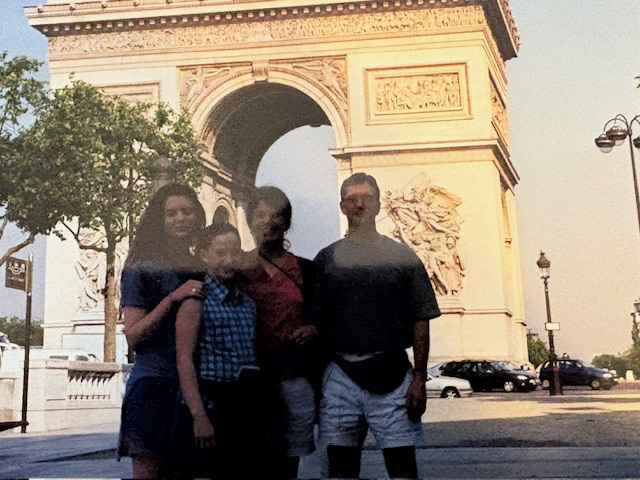
Arc de Triomphe
Few landmarks instantly signal a visit to Paris quite like the Arc de Triomphe. It appears again and again in family photographs, historic parade scenes and images of victory marches. Standing at the western end of the Champs-Elysees, the great arch stands where French history unfolded. The story of the Arc begins in 1806, when Napoleon […]

