Knife River Indian Villages National Historic Site
Knife River Indian Villages National Historic Site, near Stanton, North Dakota, preserves an important part of the story of the Northern Plains Indians who lived along the upper Missouri River. Here, visitors can explore the lives of the Hidatsa, Mandan, and Arikara peoples and learn about the established communities they created along these rivers.
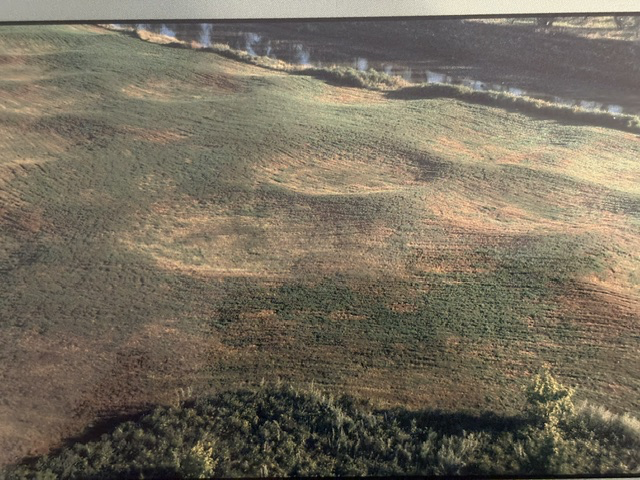
The shallow circular depressions visible across the landscape are among the most interesting features of the site. They are the remains of earth lodges that once formed substantial villages. These were not temporary camps. Families lived in large, circular homes constructed with heavy wooden frameworks covered with layers of earth. The people farmed the fertile river bottoms, growing corn, beans, squash, and sunflowers, while also hunting bison and participating in extensive trade networks.
The park has reconstructed a full-size Hidatsa earth lodge, allowing visitors to step inside and better understand how these homes were built and how families lived within them. The visitor center adds another dimension to the story through artifacts and exhibits, including examples of the artistry found in everyday objects and ceremonial clothing. Clothing, beadwork, tools, pottery, and other objects help reveal a culture that was both practical and highly artistic.
The villages were also important trading centers. Their location near the Knife and Missouri rivers brought Indigenous peoples from across the Northern Plains together to exchange food, hides, horses, tools, and other goods. Later, European and American traders entered these already well-established trading networks.
One of the best-known individuals connected with this area is Sacagawea. Born into the Lemhi Shoshone, she was captured as a young girl and brought to a Hidatsa village near the Knife River. When Lewis and Clark spent the winter of 1804–1805 at nearby Fort Mandan, Sacagawea was living in the area with French Canadian trader Toussaint Charbonneau. She would eventually accompany the expedition westward with her infant son.
Congress established Knife River Indian Villages National Historic Site on October 26, 1974, specifically to preserve the historic and archaeological remains of these Northern Plains communities

Read More From Nancy
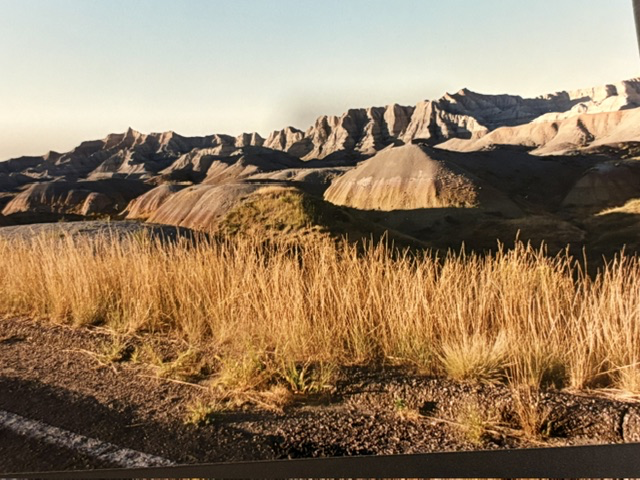
Badlands National Park
One of my favorite family road trips during our homeschooling days was driving across the northern states to South Dakota. There were so many special places we stopped along the way, but none left a stronger impression on us than Badlands National Park. The landscape almost did not seem real the first time we saw it. Layer after […]
Wind Cave National Park
On our cross-country drive to visit South Dakota, we enjoyed many of the historic and natural treasures that make the state such a great destination. One of the most fascinating stops was Wind Cave National Park. Looking across the rolling prairie above ground, it is difficult to imagine the entirely different world that lies hidden […]
Big Hole National Battlefield
On the East Coast, we speak of conflicts with Native peoples. We reference King Philip’s War in town histories and on roadside plaques, but we have not preserved large landscapes in the same way. There are markers. There are monuments. There are footnotes in local museums. But there are few expansive, protected battlefields with visitor […]

