Rainbow Bridge National Monument
Rainbow Bridge National Monument was established on May 30, 1910, to protect what is widely recognized as one of the world’s largest known natural bridges. Rising 290 feet above the canyon floor with a span of 275 feet, this extraordinary formation stands in the remote canyon country of southern Utah, where it has inspired awe for centuries.
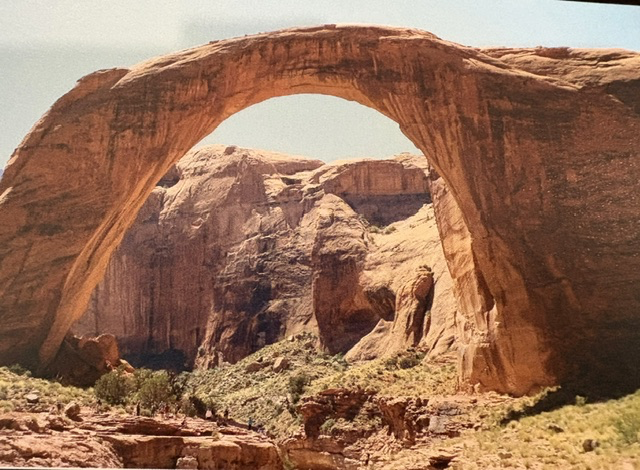
Rainbow Bridge was not built by earthquakes or volcanic forces, but by the patient work of water. Over millions of years, flowing streams carved through thick layers of Navajo Sandstone, gradually enlarging a natural opening until only the graceful arch remained. The result is one of nature’s greatest engineering achievements, a monument shaped entirely by erosion, time, and gravity.
Long before it became a national monument, Rainbow Bridge was revered by the Native peoples of the Southwest. The Navajo, Hopi, Paiute, Zuni, and other tribes have long regarded the bridge as a sacred place. For many, it is more than a geological feature—it is a place of prayer, ceremony, and spiritual significance. Even today, visitors are asked to respect these traditions by viewing the bridge without walking beneath it whenever possible.
Because of its remote location, Rainbow Bridge remained largely unknown to non-Native Americans until the early twentieth century. In 1909, an expedition led by explorer John Wetherill and guided by members of the Navajo Nation brought national attention to the bridge. Recognizing its extraordinary beauty and scientific importance, President William Howard Taft established Rainbow Bridge National Monument the following year.
Most visitors reach the monument by boat across Lake Powell, followed by a scenic walk through the desert canyon. The journey itself is part of the experience, gradually revealing the immense sandstone arch as it rises above the surrounding cliffs.
Read More From Nancy
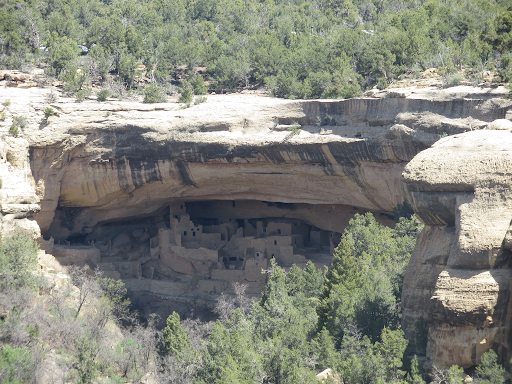
Mesa Verde National Park
Wishing to visit Mesa Verde National Park took some planning. Mapping out visits to our national parks always does, these are not places you simply pass by. They require intention. For this trip, the best place to begin was Durango, Colorado. From there, the drive slowly brings us into a landscape that feels both open and […]
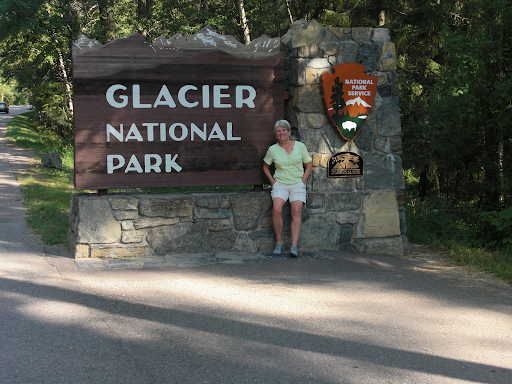
Glacier National Park
One of our most majestic national parks is also one of the few I have only been fortunate enough to visit once. Glacier National Park, located in northern Montana along the Canadian border, is part of a larger protected ecosystem that extends into Canada as Waterton Lakes National Park. Together they form the Waterton-Glacier-International Peace Park. This […]
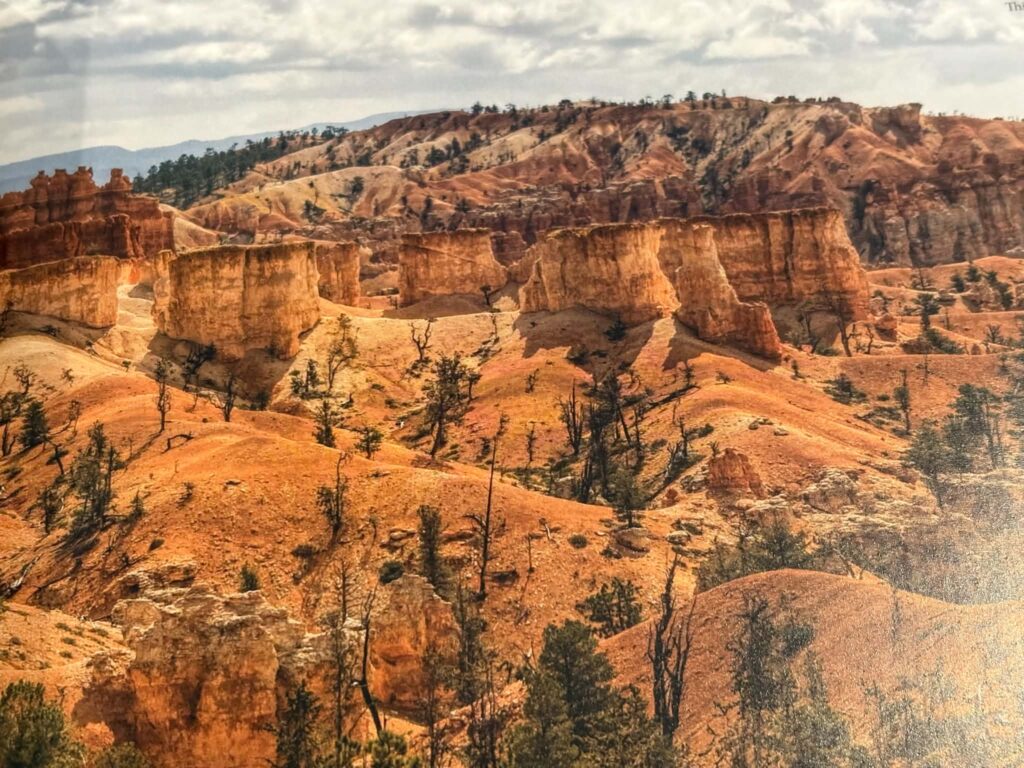
Bryce Canyon National Park
Bryce Canyon National Park is located in southern Utah on the Paunsaugunt Plateau, with elevations ranging from 8,000 to over 9,00 feet. Despite its name, it is not a canon formed by a river. Instead, it is a series of natural amphitheaters carved into the edge of a plateau through erosion. The park is best […]

