Wind Cave National Park
On our cross-country drive to visit South Dakota, we enjoyed many of the historic and natural treasures that make the state such a great destination. One of the most fascinating stops was Wind Cave National Park. Looking across the rolling prairie above ground, it is difficult to imagine the entirely different world that lies hidden beneath the surface.
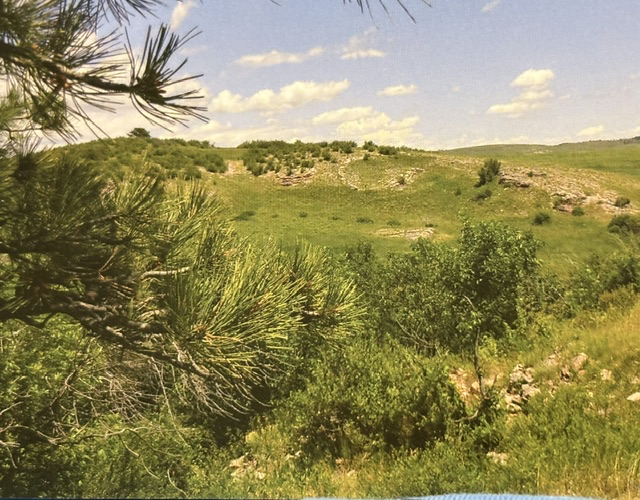
Established in 1903 by President Theodore Roosevelt, Wind Cave became the seventh national park in the United States and the first cave in the world to be designated as a national park. Located near the town of Hot Springs, South Dakota, the park preserves one of the longest and most complex cave systems on Earth. Wind Cave is especially famous for its rare boxwork formations, delicate honeycomb-like structures of calcite found in few places in the world.
Yet the park is much more than a cave. The mixed-grass prairie above ground represents a meeting place between East and West, where ponderosa pine forests give way to open grasslands rich in wildlife and vegetation. Bison, elk, pronghorn, prairie dogs, and countless bird species roam a landscape that closely resembles the Great Plains encountered by early explorers and settlers.
The prairie above gives little indication of what lives below. Standing amidst the quiet grasslands, I found it remarkable that beneath my feet lay a vast underground world of crystal formations and winding passages. Wind Cave National Park reminds us that nature often holds its greatest wonders out of sight, revealing that the beauty of a landscape extends far beyond what we first see on the surface.
Read More From Nancy
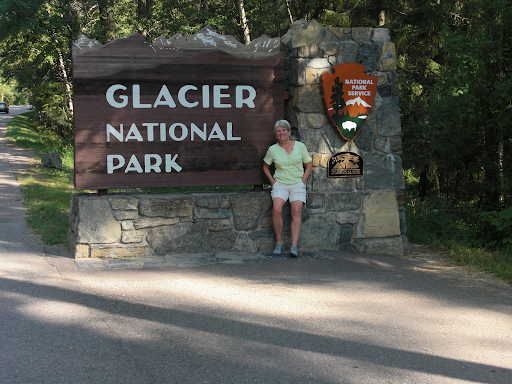
Glacier National Park
One of our most majestic national parks is also one of the few I have only been fortunate enough to visit once. Glacier National Park, located in northern Montana along the Canadian border, is part of a larger protected ecosystem that extends into Canada as Waterton Lakes National Park. Together they form the Waterton-Glacier-International Peace Park. This […]

Grant-Kohrs Ranch National Historic Site
On a road trip to Glacier National Park, we took a few side trips to see more of the beautiful state of Montana. We followed long stretches of open road with expansive valleys and distant mountain ranges. One of our destinations along the way was the Grant-Kohrs Ranch. Coming from the East, it is difficult […]
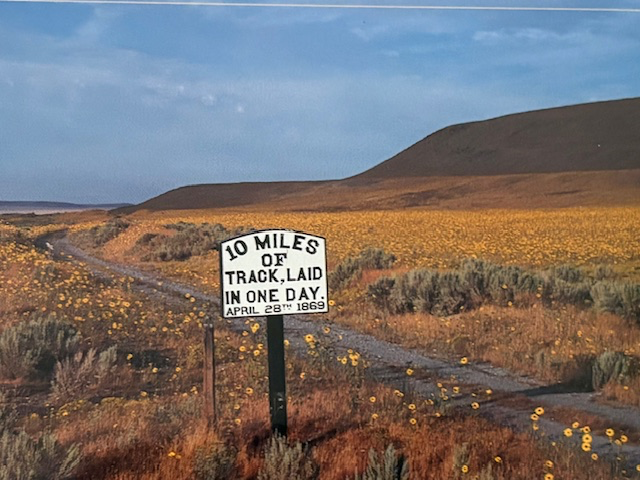
Golden Spike National Historical Park
There are places where history is marked by monuments, and others where it is held in the land itself. Golden Spike National Historical Park, located in northern Utah at Promontory Summit, is one of those places. At Promontory Summit, the significance is in the simple alignment of two rail lines that once approached from opposite […]

