Little Bighorn Battlefield Monument
A visit to Little Bighorn Battlefield National Monument is a powerful reminder that history depends on whose story is being told. Located near Crow Agency, Montana, the battlefield preserves the site where one of the most famous encounters of the American West took place.
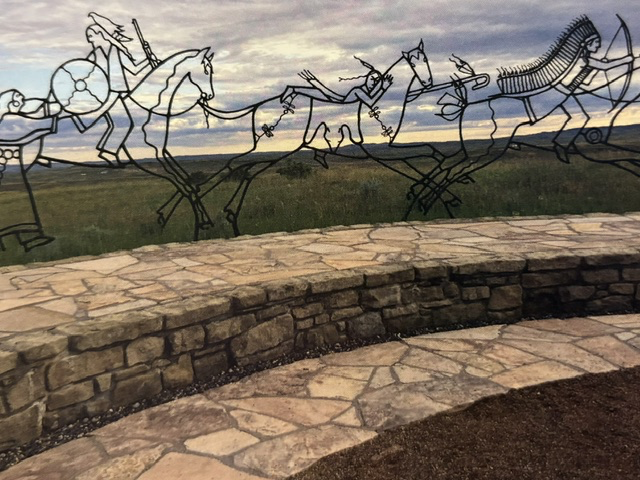
On June 25 and 26, 1876, Lt Colonel George Armstrong Custer and 263 soldiers of the 7th Cavalry faced a large coalition of Lakota Sioux, Northern Cheyenne, and Arapaho warriors along the Little Bighorn River. What became known as “Custer’s Last Stand” resulted in a decisive Native American victory and one of the most stunning defeats ever suffered by the United States Army on the western frontier.
For generations, the battle was remembered primarily through the story of Custer and his soldiers. Today, the monument presents a broader interpretation. Memorials and artwork throughout the park honor both the soldiers and the Native warriors who fought here.
While the victory at Little Bighorn was a triumph for the Lakota, Northern Cheyenne and Arapaho peoples, it also marked a turning point. Public reaction in the East led to an intensified military campaign against the Plains tribes. Within a few years, many Native peoples had been forced onto reservations, their traditional way of life disrupted and the era of free movement across the northern plains largely ended. Little Bighorn was the beginning of the end of a way of life that had existed for generations.
Recognizing the importance of preserving this landscape, Congress established Custer Battlefield National Monument in 1940. In 1991, the site was renamed Little Bighorn Battlefield National Monument to better reflect the perspective and experiences of all who fought here. This monument is a place where visitors can better understand the complex history of the American West
Read More From Nancy
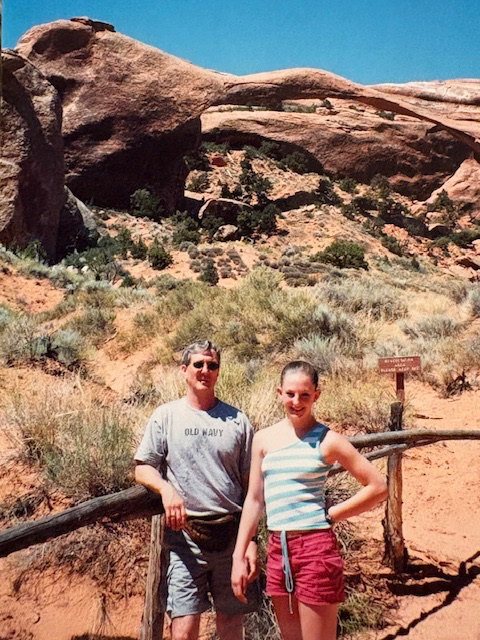
Arches National Park
There are few states with as many remarkable national parks as Utah, and Arches National Park is truly one of its most unforgettable. Here we are standing along the Devil’s Garden, in front of the Landscape Arch, one of the longest natural stone arches in the world. Its span stretched over 300 feet, and what […]
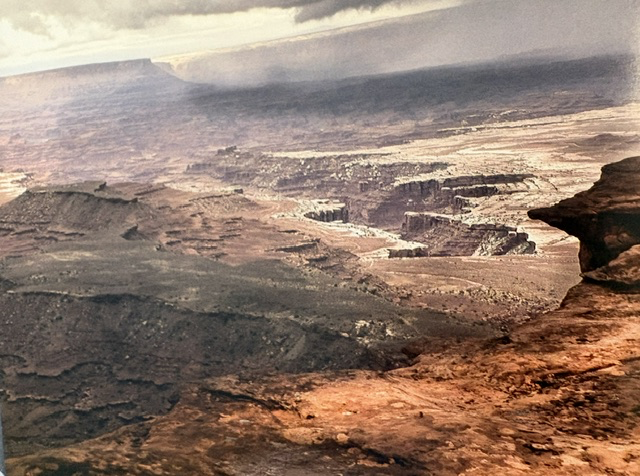
Canyonlands National Park
Stretching across southeastern Utah, this vast wilderness is a maze of deep canyons, towering mesas, rugged buttes, and sandstone cliffs that have been sculpted over millions of years by the Colorado River and the Green River. Canyonlands National Park was established on September 12, 1964, to preserve one of the most spectacular and unspoiled canyon […]
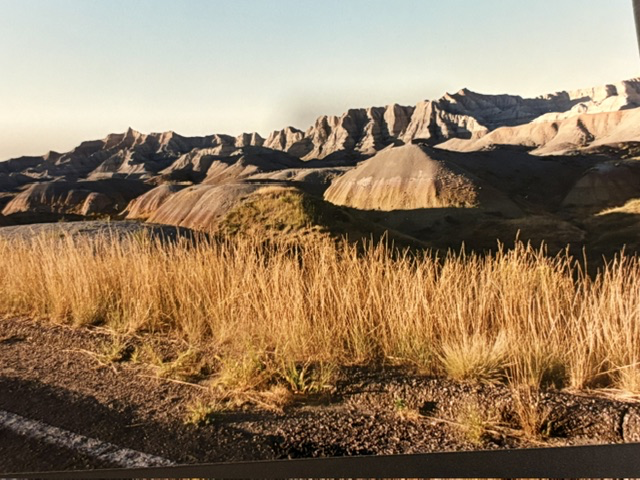
Badlands National Park
One of my favorite family road trips during our homeschooling days was driving across the northern states to South Dakota. There were so many special places we stopped along the way, but none left a stronger impression on us than Badlands National Park. The landscape almost did not seem real the first time we saw it. Layer after […]

