Hands-on Learning
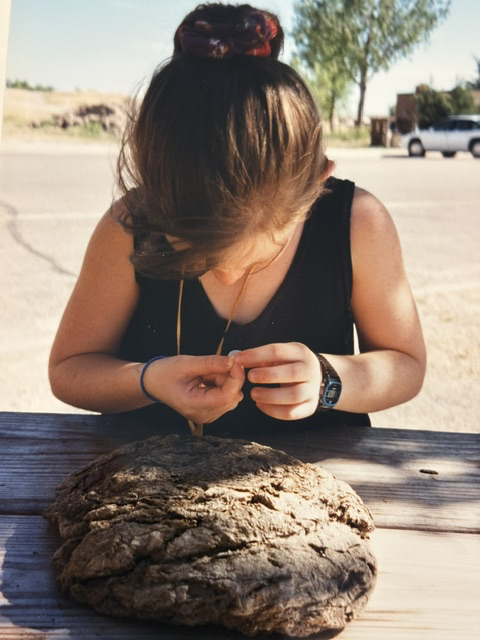
We hear a great deal about hands-on learning, but what does it look like for a child? In our family, it took different forms. Our daughter, Emily, set up her easel and studied a landscape as she painted or drew it. She learned by looking closely: noticing where the light fell, how colors changed, and which details mattered enough to put on the page.
For Erin, learning often began when she stepped off the familiar path and got her hands dirty. She came home with “treasures” for her ever-expanding science room: feathers, bones, scat, rocks, shells, and whatever else had caught her attention. Each discovery led to questions. What animal had left this behind? Why was one rock smooth and another rough? Where did the shell come from?
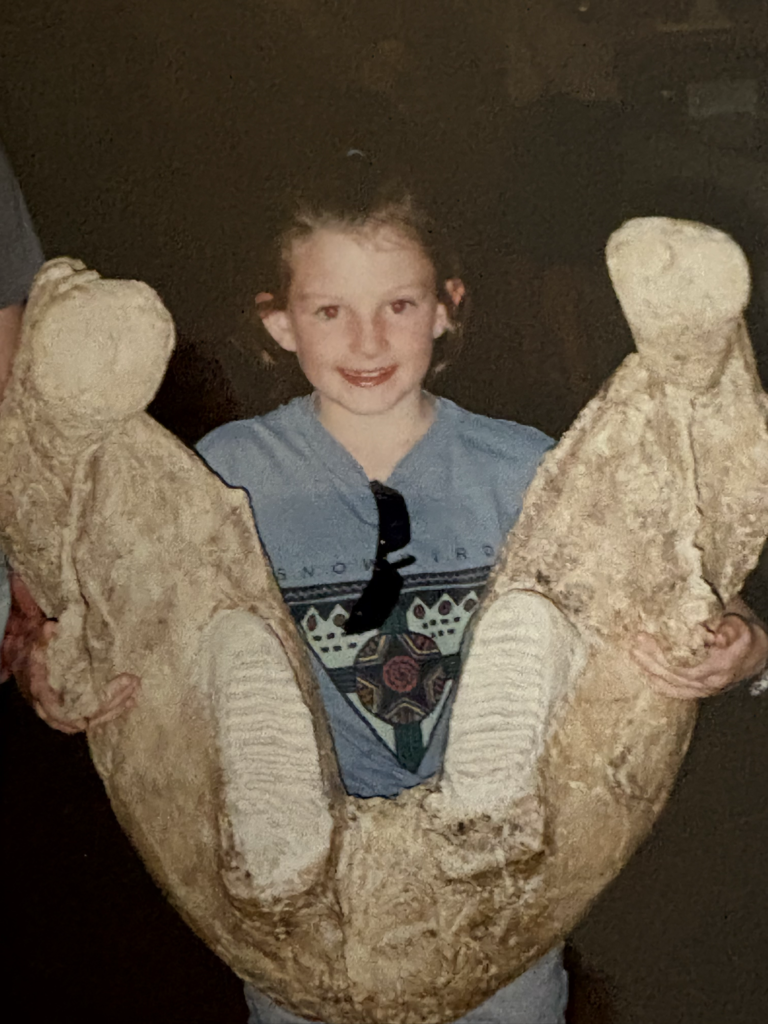
The developing brain is shaped by experience. As children see, hear, touch, move, and interact with others, connections among brain cells form and are refined. Returning to an activity gives a child more chances to notice patterns, test an idea, and connect something new with what they already know. Sensory experience is part of how children build an understanding of their surroundings, especially when they have time to explore and someone willing to listen to their questions.
Painting a landscape asked Emily to coordinate what she saw with the movement of her hand. Erin’s collecting invited her to feel the weight and texture of an object, notice where she found it, and wonder what story it might tell. Both were learning through their senses, their movement, and their curiosity.
Our daughters followed different paths into learning. One brought the landscape to her easel; the other brought pieces of it home in her pockets. Watching them taught me that hands-on learning begins with a child’s curiosity and grows through the freedom to look closely, touch, create, ask questions, and discover more.
Read More From Nancy
Learning to See Your Baby Differently
One of the things we discovered while raising our own daughters was how much there was to learn simply by watching them. Our education gave us a foundation for understanding development, but being their parents gave us daily opportunities to see it unfold. As parents, we naturally focus on whether our children are comfortable, fed, […]
Focused Attention and the Developing Brain
A child’s brain grows and organizes itself in response to experience and stimulation. That stimulation may be predictable and purposeful, or it may be scattered and chaotic. The developing brain responds and adapts to whatever it repeatedly receives. Children learn from far more than the words we speak. They also respond to facial expressions, tone […]

The Hidden Costs of Swaddling: Why Freedom of Movement
When our daughters were babies, we quickly discovered how much advice parents receive about helping their newborns sleep. Everyone seemed to have a suggestion about how to keep a baby comfortable, settled, and sleeping longer. One practice that has been passed down through generations is swaddling—wrapping a baby snugly in a blanket to limit movement […]

