Georgia Colonial 1700’s
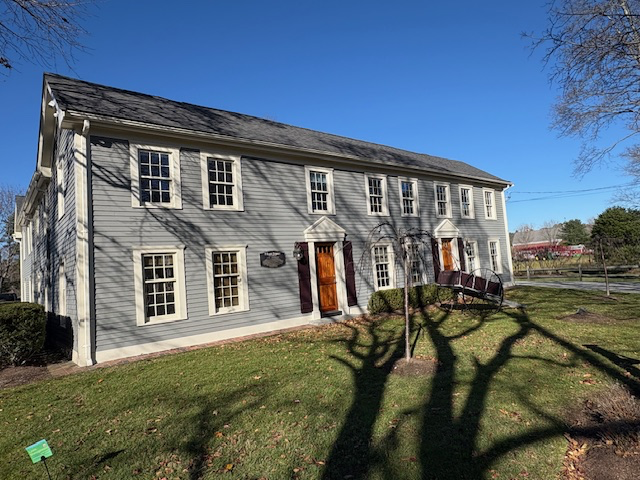
I love the connection to Colonial America that is still evident on my daily walks around Natick. Here is another example of a Georgian Colonial that dates back to the 1700s. The land was originally purchased from the Praying Indian community of Natick in 1730.
South Natick itself was one of the earliest Praying Towns, founded by missionary John Eliot in the 1650s as part of her effort to create self-governing Christian Native communities. The layers of history in this village include: Native, Colonial, and Early American life and all are still alive as I walk these streets.

One of the enduring homes sits at 3 Eliot Street. This house was built in 1759 and has witnessed the evolution of South Natick, from its days as a small Native settlement to a village. One home embodies 300 years of local history and a great example how walking through Natick is a stroll through American history.

Read More From Nancy
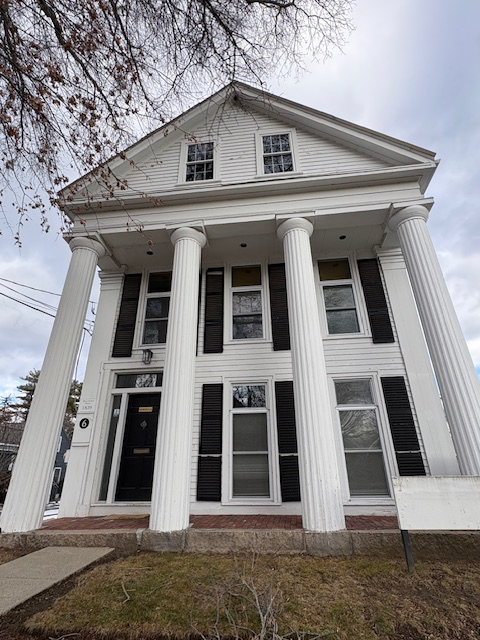
Moses Eames House
The Moses Eames House, built in 1839, is one of the most visually striking historic homes in South Natick. Finished in white clapboard and fronted by prominent classical pillars, the house is a refined example of Greek Revival architecture, a style that swept through New England in the early 19th century. The home was built […]
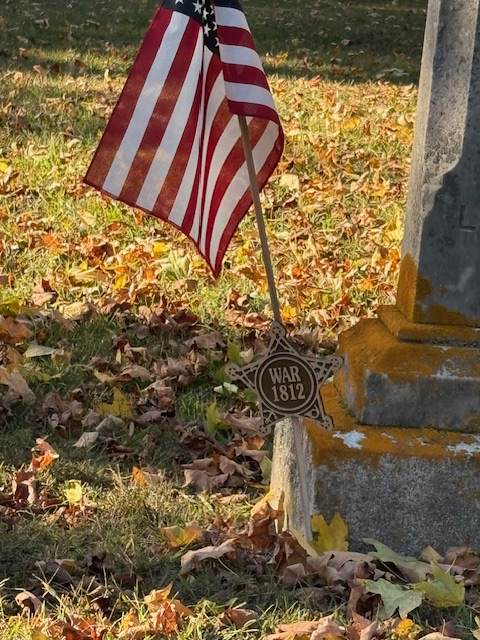
Star of War of 1812
Walking through a local cemetery, I noticed something that made me pause: a five-pointed metal star planted beside a grave holding an American flag. Cast into its surface are the words: War of 1812 I have come to recognize the familiar markers for Revolutionary War patriots and Civil War soldiers. Those appear often in New England cemeteries. But […]
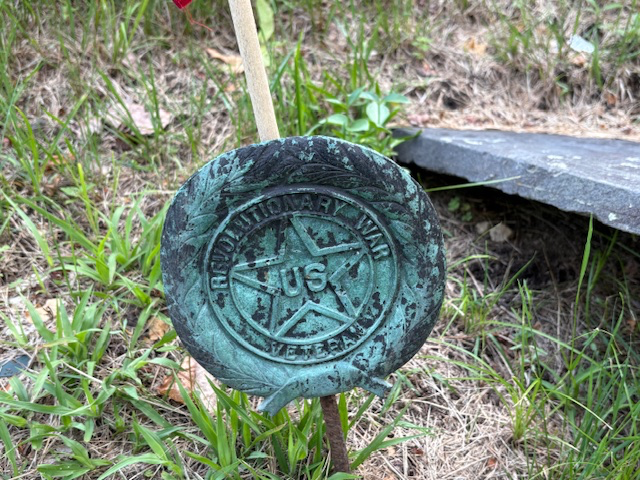
Revolutionary War Medallion
I enjoy wandering through old cemeteries and to the small symbols that mark the lives of people who came before us. Among the most powerful markers are the medallions places at the graves of Revolutionary War veterans, each one a reminder of the earliest defenders of our young nation resting beneath New England’s grass. As I explored these burying […]

