Francis Wayland
The name for the town of Wayland comes from a man who never lived there, a man whose influence reached the town not through land, but through ideas.
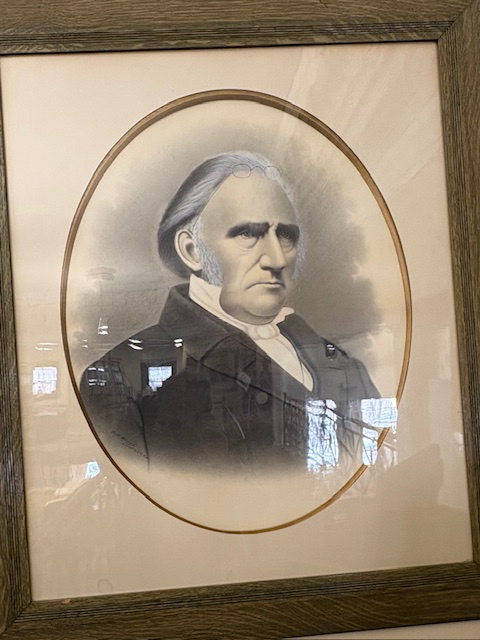
Francis Wayland was born in 1796 and became a respected educator and thinker in New England. Best known as the president of Brown University, Wayland was a reformer at heart. He believed education should not be reserved for a privileged few, but instead made accessible, practical and meaningful for all who sought it.
Wayland was committed to the idea that knowledge should live within communities. He saw public libraries as essential institutions, places where anyone could learn and engage with ideas. His support helped inspire the development of local libraries.
In addition to his role as an educator, Wayland was a Baptist minister and widely read moral philosopher. His writings on ethics and personal responsibility shaped thought well beyond his own era. He believed that individuals had a duty to act with integrity and that education was the pathway to both personal and societal improvement
In 1835, when the town then known as East Sudbury sought a new identity, it chose to take Wayland’s name. It is a striking decision. This was not a man who had built roads, or donated land or established a local institution. Instead, the town aligned itself with what he represented: intellectual growth, moral clarity and a belief in the importance of education for everyday life.
Sometimes the most lasting legacies is not built through what a person gives materially, but through what they inspire others to become.
Read More From Nancy
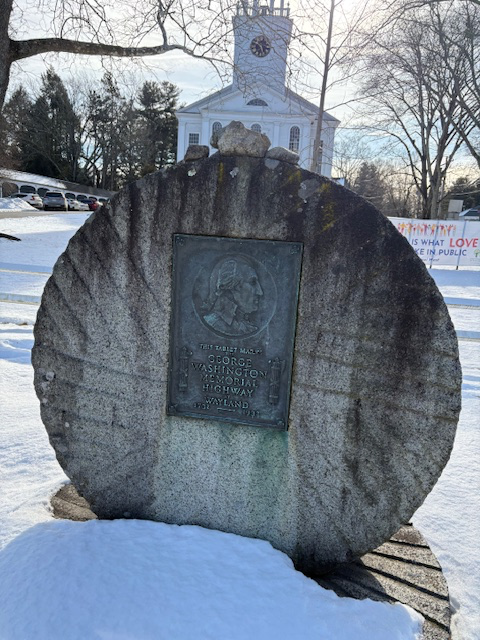
George Washington Marker
Driving through the town of Wayland, there is the round stone monument that sits along the roadside. Unlike grand statues that make historic events, this one is modest, a cylindrical stone pillar with a bronze marker identifying it as part of the George Washington Memorial Highway. The roadside marker reflects an interesting moment in American history when […]
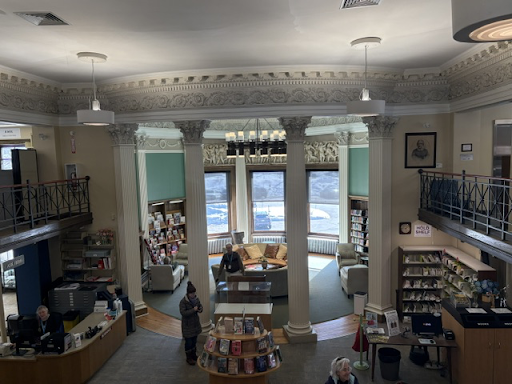
Rotunda of the Wayland Library
While the exterior of the Wayland Free Public Library reflects the dignity of a civic institution, the interior contains its greatest architectural treasure. Stepping inside, visitors are greeted by a remarkable circular reading room framed by towering columns, ornate plasterwork, and large windows that fill the space with natural light. The rotunda creates an atmosphere […]
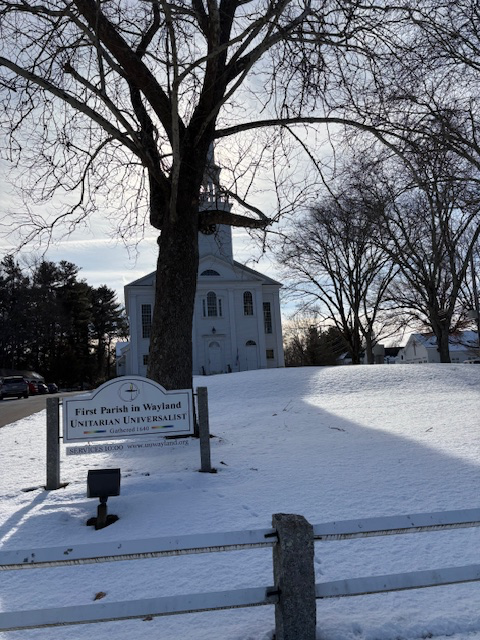
First Parish Church
The First Parish Church of Wayland stands at the physical and historical center of the town. Its presence reflects the way early New England communities were built, around faith and shared responsibility. The parish was established in 1721, when residents of the western part of Sudbury petitioned for their own meetinghouse. Travel to Sudbury’s original church was difficult, and the […]

